a few seconds ago
Russia again seeks UN debate on NATO intervention in Kosovo
Periskopi(2 years ago)
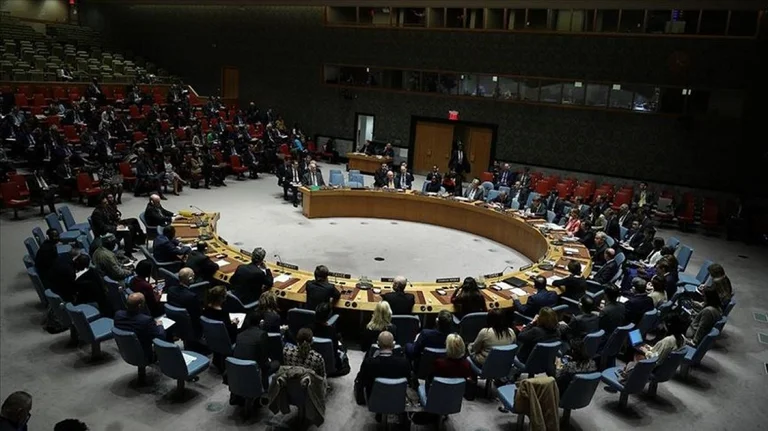
(2 years ago)Russia has been attempting a session of the UN Security Council, where it would be discussed about the NATO bombing campaign against Serb forces in 1999 that ended the war in Kosovo. After Monday's failure for a session such as this, the holding of which was unable [...]
Russia has been attempting a session of the UN Security Council, where it would be discussed about the NATO bombing campaign against Serb forces in 1999 that ended the war in Kosovo.
Following Monday's failure to hold such a session, which was unable since 12 member states did not vote for Moscow's request, Russia again applied for debate on the <x0-> the preservation of international peace and sustainability”.
If you thought that Russian diplomacy at the UN would just turn itself in, then you were wrong. That's not our style. We once again requested a UN Security Council session for NATO's aggression against Yugoslavia. After the strong counterintensive of our opponents, we managed to get the leader from Japan to schedule the session for Thursday at 1500 in New York”, Deputy Russian Ambassador to the UN Dmitry Polyansky wrote on the X network.
But the possibilities for the session seem slim. Opening the debate requires a procedure vote and to adopt the order needs the support of 9 of the 15 Security Council member states.
Serbian Foreign Minister Ivica Dacic told Serbian media in Belgrade that “Finance has warned that it will seek procedure vote”, so “sance under all odds will not be held”.
He stressed that Russia has not approved the Security Council's work plan for April, so Serbia is now entering the middle of major power clashes, “which was not our target”.
On Monday, US representative to the UN Robert Wood accused Russia of trying to exploit the anniversary of NATO intervention, disseminate its propaganda and promote regional tensions in the Western Balkans.
He reiterated the American stance that intervention was a necessary and legal action “to end ethnic cleansing in Kosovo”.
Nine years after NATO intervention, Kosovo declared its independence with the support of the United States and major Western countries, while Russia-backed Serbia opposes its citizenship. Although it has declared membership in the European Union as its aspirations, Serbia maintains close ties with Moscow and has not joined Western sanctions against it due to its aggression in Ukraine, primarily due to the Kremlin's support for Belgrade's claims on Kosovo.
Last year, Serbia agreed to an agreement brokered by the European Union for normalising relations with Kosovo, which envisions Pristina giving more autonomy to Kosovo Serbs, while Belgrade recognises its “facto” independence.
But, Belgrade said it would not implement anything leading to Kosovo's recognition and on Wednesday voted against the recommendation for Kosovo's membership in the Council of Europe.