20 minutes ago
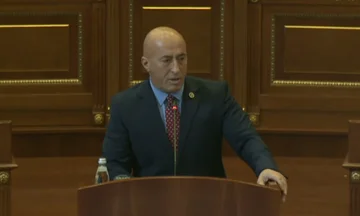
MPs who insult, insult in the Assembly are expected to be punished as much as 20 per cent of the salary
Periskopi(2 years ago)
(2 years ago)Non-parliamentary behaviour and language in the Kosovo Assembly will be sanctioned, through the code of conduct expected to be adopted soon. MPs who insult, insult, and promote violence at the Assembly hearings will be sentenced to up to 20 percent of the basic salary until participation in three plenary sessions will be unable. Approval of [...]
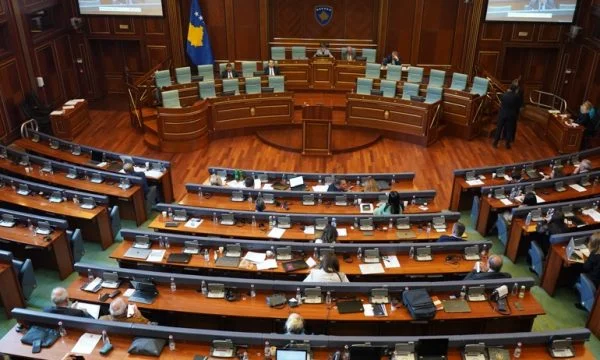
Non-parliamentary behaviour and language in the Kosovo Assembly will be sanctioned, through the code of conduct expected to be adopted soon.
MPs who insult, insult, and promote violence at the Assembly hearings will be sentenced to up to 20 percent of the basic salary until participation in three plenary sessions will be unable.
The adoption of this code is welcomed by the legislature's labour monitors, however, is criticised by the sextist language that they claim has been used in regulating the MP's dress code.
Vetevendosje Movement MP, at the same time chairman of the Commission for Legislation, Adnan Rrustemi, says of KosovoPress, that the code of conduct will improve parliamentary life and establish the MP's credibility.
He adds that all cases of minor and serious violations would address the Ethics Council, which would be established and composed of MPs with a position-opposital balance.
The behavioural code is aiming advanced and professionally to define the model of Kosovo's Parliament MP's behaviour. We are aiming to build an example of responsible MP using parliamentary languages and not misusing Kosovo Assembly resources...
The code of conduct envisions the establishment of an Ethics Council within the Kosovo Assembly, consisting of MPs with a balance between position and opposition. This council will address complaints of cases filed over what allegedly violated the code of conduct. The code of conduct envisions minor and serious wrongdoing, depending on the type of wrongdoing, the measures have also been determined.
Of course, for minor violations there are oral, written warning, publishing the Parliament website. Meanwhile, for serious violations there are preempting the ban on participation of up to three sessions, the ban on participation in commissions and, of course, financial punishment of up to 20 percent of the base salary, says Rrustemi.
Supporting this Code of Conduct also offered the AAK Parliamentary Group's chief, Besnik Tahiri.
“has had a major commitment to all parliamentary groups, there has been a discipline in discussing and handling all issues. This code regulates and sanctions behavior rules for the MP. MPs are prohibited from expressing themselves in indecent and offensive words in the Kosovo Assembly, to prevent or violate the Kosovo Parliament's regulation of affairs, to threaten or insult other MPs.
This code also sanctions the dress code, during the development of a plenary session in the Assembly, MP or MPs must have an official dress that must be determined. The dress code should also be respected by other participants”, Tahiri says.
On the other hand, the researcher at the Kosovo Democratic Institute (KDI), Arber Thaci, says of KosovoPress, that efforts that through the code of conduct, the Kosovo Assembly fix a number of problems are positive. He adds that the document aims to regulate the behaviour of MPs in the sense of their vocabulary, their dress code, and the value of gifts they accept.
However, he says that in the original version of the code, its content has been sexist in terms of the dress code and their definition, especially against MPs.
The efforts to fix a number of problems through the Kosovo Assembly's code of conduct, we have seen as a positive development...
The document generally aims to regulate from the behavior of MPs in the sense of the vocabulary they use, to their dress, or to say other matters like accepting gifts and the value of gifts they accept... His initial content has been quite sexist, in some descriptions it has left sexist taste or non-adequate definitions in the gender sense... in terms of the dress code and their definition, especially against MPs. In gender view, its initial version has not been updated with contemporary developments”, Thaci points out.
Representatives of civil society and international organizations have also been involved in drafting this code in addition to lawmakers. /Kp/