5 minutes ago
KDI: Businesses, public enterprises, political parties, CEC and Parliament, with lower level of institutional integrity
Periskopi(2 years ago)
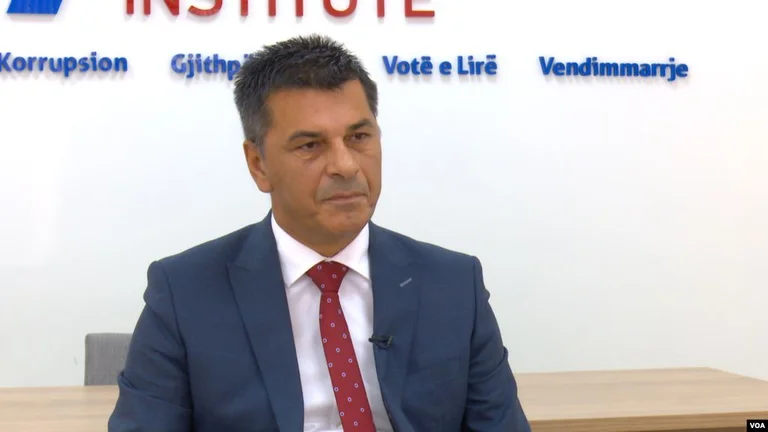
(2 years ago)The Kosovo Democratic Institute (KDI) has launched a National Integrity System Study known as NIS (Integrity System System), reports Online Economics. It said that this study is almost two years old and is being conducted for the third time by KDI. The study praises the level of integrity in 15 key institutions and sectors [...]
It said that this study is almost two years old and is being conducted for the third time by KDI. The study praises the level of integrity in the country's 15 key institutions and sectors, including the Parliament, Government, Political Party, Business, Civil Society and Public Enterprises.
IKD Executive Director Ismet Kryeziu said Kosovo still has a way towards fighting corruption.
We are oriented to have a legislation more consistent with citizens' rights, we are committed to educate them about the consequences of corruption and their role in preventing it”, Kryeziu said.
Kryeziu said NIS's findings gave Kosovo 67 points out of 100, compared to 2015 to 51 percent.
“Transparency International” Director Daniel Ericsson said that research released is about interventions that need to be improved strategically by the government, civil society agencies.
According to him, public officials should not be influenced by private interests during their work, while saying the average corruption is 39 percent. This, according to him, shows how much corruption must be fought and how citizens react.
The “justice systems must be independent. Kosovo has taken steps in the right direction, we now need to implement new laws, yet the anti-corruption law is the main tool of achieving influence”, he said.
Jarmo Felkis Heplicans, chief of the Department for the State of Law and Human Rights in the EU office in Kosovo, said corruption remains a major challenge still in many countries and that it concerns people with great power.
Helippicans said it is always for prosecutors to find criminals and the findings of cases, but according to him it requires a change of laws because without their implementation nothing can be offered, saying the government is committed to fighting corruption.
Eugen Cakoli, programme manager at the organisation, presented the main findings of the National Integrity System study in Kosovo, saying it contains more than 2 thousand sources, with 170 indicators.
Finding that he also introduced institutions that have low standards of integrity.
“Businesses, political parties, the CEC and the Kosovo Assembly”, he said.
“Court efficiency, inadequate police. Kosovo has consolidated legislation, the main problem with practical implementation of laws. The key focus, changing laws that define budgetary independence of institutions in view of increased inflammation, Kosovo must adopt law for treatment of legislative lobour”, he said.
Agreement, dinar and site of Decani Monastery Escobar next week in Kosovo