12 minutes ago
My family doesn't know” - DW brings confession of a man raped during Kosovo war
Periskopi(2 years ago)
(2 years ago)Massive rape was a common war crime during the wars in the former Yugoslavia, especially in Kosovo in 1998-1999, men included. A person affected speaks of DW. Shaban was only 19 years old in 1998. Kosovo Albanian, whose real name is different, preferred to confess to DW anonymously [...]
Massive rape was a common war crime during the wars in the former Yugoslavia, especially in Kosovo in 1998-1999, men included. A person affected speaks of DW.
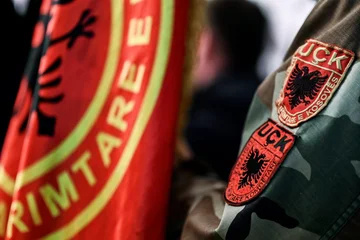
Shaban was only 19 years old in 1998. The Kosovo Albanian, whose real name is different, preferred to confess his traumatic history to DW anonymously. When Serb troops arrived at his district in central Kosovo in September 1998 during their offensive against the Kosovo liberation fighters of the KLA, they arrested him and about 200 other men and took them to the police station. He did not know that what happened next would change his whole life.
They have been called individually to be interrogated, Shaban relates. The treatment was harsh and humiliating. They've been beaten and kicked all the time. They specifically chose Shaban from the ranks of those arrested. Then the police took me to the bathroom and made me the worst thing”, Shaban says in trembling voice. The worst. That's what he calls rape. He doesn't mean anything about details. Even now, decades later, he almost bursts into tears, so many thrilling moments in his memory. But that was just the beginning. He was thrown into prison for terrorism. “The indictment for terrorist activities was groundless and simply fabricated. ” says Shaban.
Kosovo, NATO
The escalation of war between Serbs and Kosovo Albanians especially the massacres of Recak and Prekazi, in which about 100 Kosovars were killed by Serb security forces eventually led to NATO intervention. In June 1999, Serbs were forced to surrender under pressure from NATO attacks. The effort to abolish the autonomy of Kosovo Albanians within Serbia, which the founder of Yugoslavia, Tito, had guaranteed. For Shaban, however, this did not mean the end of his suffering. He was transferred from prison in Kosovo to Nis in southern Serbia and remained in prison for another three years until 2001.
Rape is a forbidden war crime. Victims are especially women. On the other hand, you hardly hear anything about men who get raped. Rape carries at least as much stigma for them as it does for women. “The traditional male concept as a strong figure facing difficult challenges conflicts with the experience of sexual violence in war”, says psychologist Sevie Izeti, who has been studying the issue of raped men for years.
“Psicologically, the experience of sexual violence shakes the foundations of their identity and moves them to keep this suffering hidden”, says Selvie Izeti. “You feel weak and ashamed” A logical consequence of this is the “that men keep secret and therefore have more difficulty than women to access necessary rehabilitation services and hesitate to undergo professional treatment and recognition of their status”. That is why only a few dozen victims have been reported so far at the Kosovar Centre of Security for War Torture Victims.

The family knows nothing
In the middle of Pristina, at the hero statue, which lies in memory of female rape victims, right next to the monument and the Kosovo motto: NEWBORN: The four-foot five-foot relievi of a woman's face is made of 20,000 metal plates, each representing a woman raped during the war. The state paid a monthly pension of just over 200 euros for proven rape victims. However, this test means facing their experiences and describing them before a commission.
For a long time it was unthinkable for Shaban to speak before a commission. Even his family doesn't know his destiny. He's married and has children. But he did not tell his story to his family. This is true of many other victims who remain silent about their crime. Saban eventually decided to speak to the commission anyway, and now he is one of those known to be in violation during the war in Kosovo.
The Aftermath of Life
The consequences of his rape are massive. Shaban lives in fear every day. He can't sleep without therapy. Shaban has been under medical treatment and long-term treatment since his release from prison. I can't live properly without medication. I've been without medication for two days, then my whole body began to tremble and memories came back. ”
The Government Commission of Kosovo, which records the victims, has recognised the status of victims of sexual violence for 1,102 persons; Of them are women and 48 males, including Shaban. If the number of plaques in Heroin Square for victims is relatively accurate, the number of reported cases is 20 times higher. On the other hand, this also means that about 1,000 men could allegedly be raped during the Kosovo war.
Secretity More Important Than Money
This subject has not yet been discussed openly. Even the prospect of compensation rarely encourages potential victims to step forward. It would be a great relief to be touched if they could speak to someone confidentially. “Bised would be like a spiritual liberation,” says Shabani. “It's not about money. For us, treatment and privacy are far more important.” That is why most rape victims have chosen to remain silent to this day.
“If people find out, I will have nothing to live for”, Shaban says. All I fear is that my relatives or anyone else will reveal my secret. Then people will start talking about my fate, that's my greatest fear. ”