7 minutes ago
Former DAS official: Kosovo's international diplomatic moment is moving towards a deadlock, no room for mistakes
Periskopi(2 years ago)
(2 years ago)Former US State Department official, and Balkan connoisseur James Hooper, has raised concern that Kosovo's international diplomatic moment is heading towards a stalemate. In an interview for Telegrafi, Hooper said the process of recognising Kosovo seems to be out of air, while dialogue with Serbia has become a road without [...]
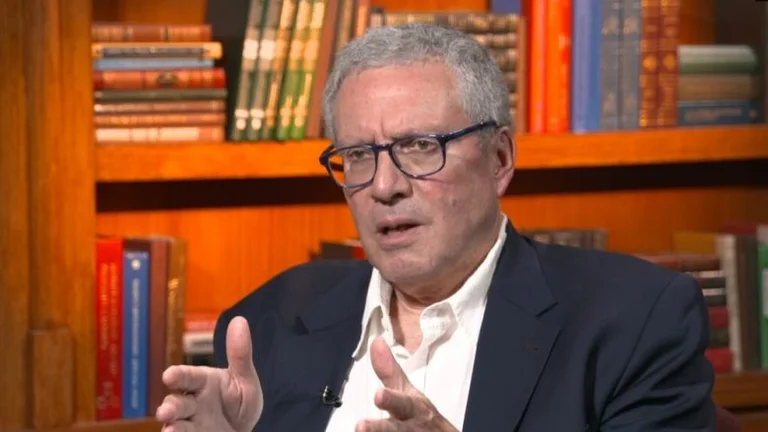
Former US State Department official, and Balkan connoisseur James Hooper, has raised concern that Kosovo's international diplomatic moment is heading towards a stalemate.
In an interview for Telegrafi, Hooper said the process of recognising Kosovo appears to be out of air, while dialogue with Serbia has become a dead end.
He notes that some of Kosovo's most important allies are blaming Pristina for not constructive approaches that are not bringing progress in the process.
Time is running out. At this time of revelation, the security environment has been put at great risk, where there is no room for mistakes,” says Hooper and adds that this situation requires wisdom in leadership and a new perspective from Pristina.
It further emphasises that Prime Minister Albin Kurti has a golden opportunity to help with this reform process, since the diplomatic process for the Western Balkans appears to have lost orientation.
Hooper argues that Kosovo leaders dare not approach this challenge at a slow pace, as the West may dim the process of dialogue, and this thing drags on further.
The lack of international pressure is leaving room for an unintentional policy that has become a distraction from efforts at a constructive future between the two states,”, he says.
He argues that the controversial dialogue, instead of being a solution process, is becoming a distraction from the goal of building strong relations between Kosovo and Serbia.
Hooper underlines the need for a great effort to protect common interests and to treat Serbia as more than a neighbour, but not in terms as a friend country...
The former American diplomat warns of the consequences of a sluggish and unclear diplomacy, where specific groups can turn to extreme actions as a result of a diplomatic stalemate, thus increasing the risk of international relations in the Balkan region.
So there is a connection between urgency and purpose. Banjska pointed to risks that could occur as a result of the fainting of the” dialogue process, Hooper said.