5 minutes ago
A possible conflict in the region, Clark: NATO is doing everything to stop any kind of escalation in Kosovo
Periskopi(2 years ago)
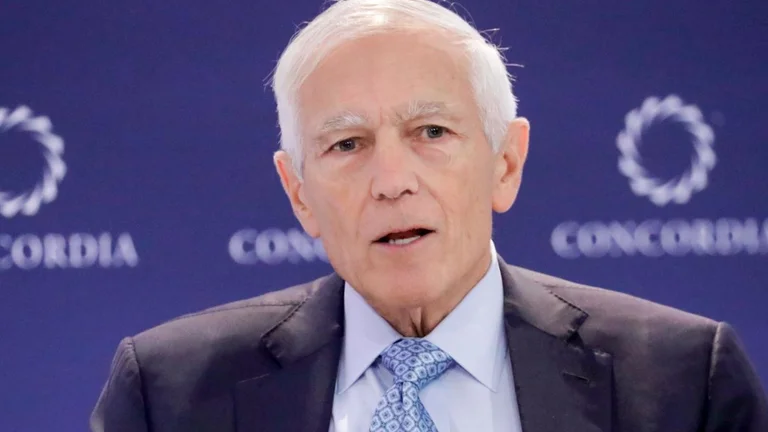
(2 years ago)Retired US General Wesley Clark, who had been in the supreme commander of NATO's Allied Forces during the bombing of the serial targets due to ethnic cleansing in Kosovo, has talked about possible tensions in the region, particularly a potential conflict between Kosovo and Serbia, as well as Bosnia and Herzegovina. Clark expressed [...]
Clark said he hopes NATO is doing everything to be on track and prevent any kind of escalation on the Kosovo side.
According to him, these tensions are sparked by Russian efforts, which seek to fuel disagreement and chaos in the region.
Voice of America: In the latest report by the American community of intelligence on global risks, the Balkans, the very situation between Kosovo and Serbia, as well as Bosnia and Herzegovina, is mentioned as points where conflicts could erupt. This amid tensions that were exasperated last year, following the attack in northern Kosovo. How do you see these concerns about the security situation taking into account what has happened in the past few months?
General Wesley Clark: I think it's a situation to be closely followed. I'm sure Ambassador Hill is doing everything he can to see from the American perspective. I hope NATO is doing everything it can to be on track and to take measures to prevent any kind of escalation on the Kosovo side. As I said, these tensions are sparked by Russian efforts. Russia seeks to fuel disagreement and chaos in the region, and all the work we have done in the Balkans will not have fruitful results unless we address the issue between Ukraine and Russia.
Voice of America: Do you think that in this case, there is a need to have a change of tactics and strategies regarding how the United States and the West generally approach Kosovo and Serbia?
General Wesley Clark: I don't think I can comment now on the actual strategy. It's not possible because I'm not close enough to give a helpful comment. I think whatever strategy we implement, it's still a hostage to what's happening, 1600 miles east of Ukraine, in the Donbas region, or in the conflict zone and what are Russia's goals. That is what determines Europe's attitudes, on the one hand it is pushing Europe to want to resolve the crisis between Serbia and Kosovo, and on the other hand, making it more difficult to achieve such a thing.
Voice of America: Do you think this is right for the future of the process between the two countries?
General Wesley Clark: I think the process will continue for a while and I think it is important that this process be kept alive and continued with dialogue. If we had significant progress, it would be wonderful, but I do not foresee that. So, as I said, this is a secondary issue in Europe and in many ways depends on what will happen between Russia and Ukraine. / VOA