5 minutes ago
Byrnes: United States needs to make more pressure on Serbia in relation to Kosovo
Periskopi(2 years ago)
(2 years ago)Before NATO's decision to intervene against Serbian forces to end the Kosovo Albanian expulsion campaign 25 years ago, numerous diplomatic efforts had been made to stem the conflict. Among them was an American diplomatic mission known as K- DOM, which was monitoring the situation in Kosovo [...]
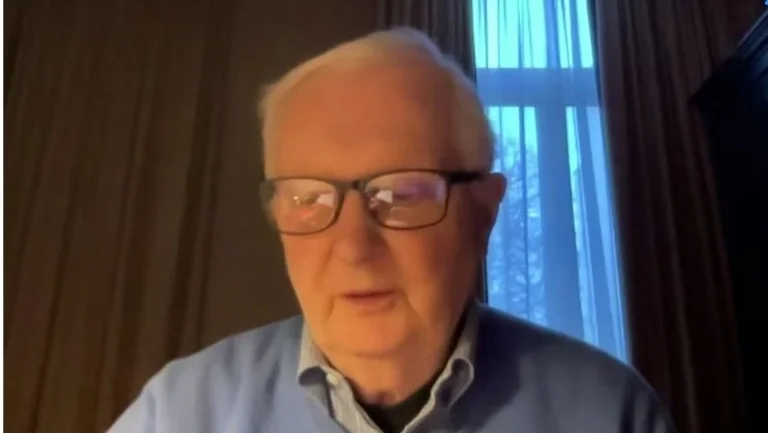
In an interview former mission leader Shawn Byrnes, a longtime American diplomat in the Balkans now retired, told Voice of America that the situation between Kosovo and Serbia remains fragile, with the possibility of re-animation of incidents. He says Kosovo's reluctance to form the Association of Serbian municipalities is real because of Serbia's hostile approach to it.
Voice of America: At this 25th anniversary of NATO intervention, taking into account the past, but even looking to the future, how do you assess the situation in Kosovo? Was that the right decision?
Shawn Byrnes: Interference was one of the steps. There may have been other opportunities back then, but for that time it was a reasonable decision. Neither of the committed parties wanted war anymore, neither side wanted to bomb Serbia, no one wanted to use military force and intervene in Kosovo to end the war. It was a temporary solution, to buy out time, if this were to work, to buy time for achieving a political solution... It was critical to stop fighting to enable both sides a political solution.
Voice of America: How do you evaluate the present situation? Relations between Kosovo and the United States fluctuate. What is your view of how relationships have developed over the years?
Shawn Byrnes: The United States continues to stand firm with Kosovo. We have strong friendships and have worked hard to help Kosovo become a country where the rule of law and free market economy reigns. There have been ups and downs, there has been despair on our side and in Pristina, but there has been great progress in raising the standard of living, building infrastructure. The problems we have now, with Albin Kurti's government, as I understand them, have to do with the dialogue that has been going on since 2013, aimed at normalising relations between Serbia and Kosovo, and essentially this effort implies recognising Kosovo's independence from Serbia. In my opinion, Serbia's leaders have no will for recognition. So what we've seen is a theater. The next issue is the issue of the rights of the remaining Serb population in Kosovo, and one related issue is the establishment of the Association of Serbian municipalities and the competencies that this association would have. Kosovo's leaders -- be it Mr. Thaci in his time, or Mr. Kurti now, as well as the leaders of the Democratic League -- all have serious reservations to agree to the establishment of association because of the possibility of it becoming a step towards the creation of a second Serbian republic.
Voice of America: Do you think their concerns have a basis?
Shawn Byrnes: Yes, I think so, considering Serbia's behaviour. Perhaps one day when Serbia is a truly democratic regime and Serbia becomes a country where the law reigns, with free and independent media, the establishment of association will be possible, but concerns in Pristina think they are real and legitimate for the creation of Serbian association. It seems to me that such an idea only legitimises Serbia's current parallel structures, which in most cases have resisted the integration of Kosovo's ruling institutions.
Voice of America: Numerous regional experts have warned of the possibility of renewed conflict. What do you think, is there likely to be re-animation of the conflict?
Shawn Byrnes: Unfortunately, from my point of view I think it's possible and I have to refer to the incident recently in Banjska as an example. It is clear that (Serbian President) Vucic is being guarded by hardline Serbian nationalists who strongly oppose any compromise with Kosovo. This is a problem for him, and I don't know how much he can do, but it's clear that he's afraid to move forward and fast. And that opens up the possibility, at least, to have provocations again.
Voice of America: Mr. Byrne, given these challenges, how do you think the United States should engage with Kosovo and Serbia?
Shawn Byrnes: The United States should send clear signals that we support Kosovo despite changes to our domestic political dynamics. We remain friends and must continue to encourage leaders in Kosovo to continue and step up efforts to fight corruption and build a society that respects order and law. This is the most important issue for Kosovo, to become a rule-of-law state because it would solve many problems and help towards other recognitions. As for Serbia, I think we should put more pressure on it to show more readiness for compromise on issues involving Kosovo. Frankly, I think we should be more strict with Serbia, because it continues to have hostile approaches to Kosovo. Serbia must understand that Kosovo is no longer part of Serbia, has gained its independence by gunpower, and has to accept it. There has been a real reason that Kosovo and its population decided to separate from Serbia and Serbs just have to accept it, but most of them have no will to accept it.