5 minutes ago
Belgrade brings improvised banks close to border for Kosovo Serbs
Periskopi(2 years ago)
(2 years ago)The Office for Kosovo in Serbia's Government announced on Monday that Serbia's Post Bank has opened four improvised bank branches near border crossings with Kosovo, in which, according to her, Kosovo Serbs can withdraw their revenues from the Serbian state. According to one announcement, the Post Bank [...]
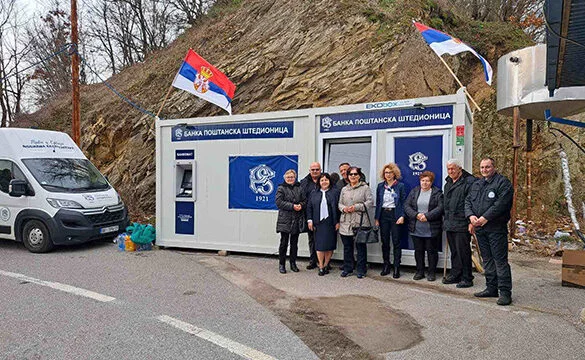
According to a report, Serbia's Post Bank has established improvised branches in the Serbian part of border crossings -- Jarinje, Brnjak, Konculj and Merdara.
The Office for Kosovo in Serbia's Government said the move has been made in order for Serbs from Kosovo to ease the withdrawal of payments from Serbia's budget, which they receive in dinars.
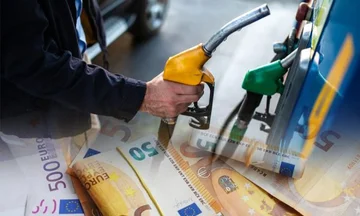
This comes after, Kosovo Central Bank (BQK) introduced a regulation on February 1st, which stipulates that the euro will be the only currency for payment transactions in Kosovo.
According to it, Kosovo Customs, twice over the past month, banned the entrance of dinars from Serbia to Kosovo, with the argument that it does not have the CEC's approval.
Consequently, members of the Serb community in municipalities south of Ibri have not been able to withdraw revenues from Serbia's budget since mid-February, while in municipalities in northern Kosovo it is possible to withdraw a limited amount of money to the Post Savings Bank sports.
The Office for Kosovo stresses that now, the Post Savings' clients in improvised branches in the Serbian section of four border points with Kosovo, will be able to carry out all banking actions: withdrawals of salaries, pensions, social financial assistance and other revenues.
They can also pay payments to accounts in dinars and currency and other bank transactions, according to the announcement.
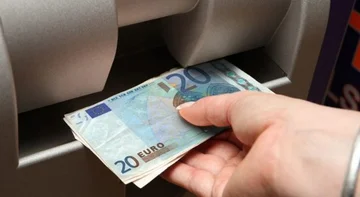
According to the announcement, each facility is equipped with a Post Savings ATM, where the withdrawal of tools from dinar accounts will be allowed at any time.
“Supporting citizens, the bank sent two mobile branches with wheels that will be available in these locations in line with the needs of the citizens”, the announcement said.
It is added that “this technical solution is of temporary character until the normal functioning of the payment transaction in Serbian areas in Kosovo” is established.
In addition to the Post Savings, dinars in Kosovo also use post offices working in the Serbian system, as well as in trade in areas where Serbs live.
The international community expressed concern that the CEC's decision to ban the dinar could have a negative impact on Kosovo Serbs and that it could increase ethnic tensions, so it has urged postponement of regulation implementation.
However, the Kosovo Central Bank has indicated that the transitional phase of implementing its regulation cannot last more than three months.
The dinar issue was also a topic of dialogue between Kosovo and Serbia on February 27th in Brussels, which ended without concrete results and EU special envoy Miroslav Lajcak said additional meetings are needed.
For Kosovo, the dinar issue is an internal technical issue, while Serbia insists that this issue be resolved in Brussels dialogue. / REL/