2 minutes ago
Banjska terrorists can be tried even in absentia, says former ombudsman
Periskopi(2 years ago)
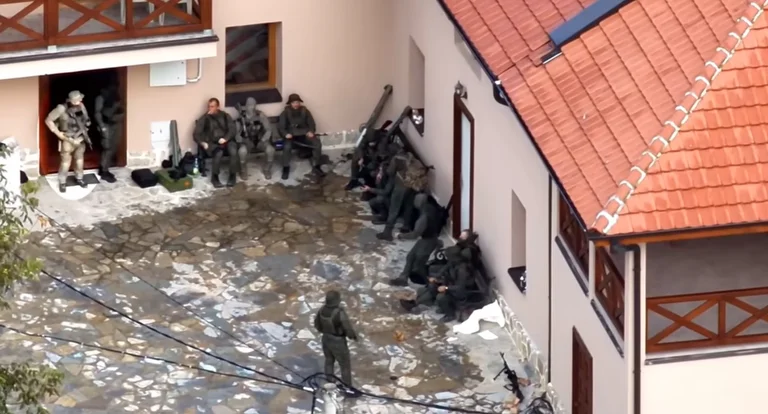
(2 years ago)Terrorists of the September 24th attack on Zvecan Baniska can also be tried in absentia, and for that there are no obstacles, according to former ombudsman Hilmi Jashari. In addition to the three suspects currently in custody, according to Jashar, others could be tried in absentia. He for Online Economy said this is [...]
Terrorists of the September 24th attack on Zvecan Baniska can also be tried in absentia, and for that there are no obstacles, according to former ombudsman Hilmi Jashari.
In addition to the three suspects currently in custody, according to Jashar, others could be tried in absentia.
He for Online Economics said the Penal Code allows this to be broadcast by Klankosova.tv.
The former ombudsman also praised the institutions of justice for the work they have done in this case.
The “is actually also expected when we consider Serbia's role both in international relations, but also in Kosovo, but otherwise the support of at least the information we could see in public, for organising the state and logistics of this group, but for me it's very important what the Kosovo authorities have done and what they're doing about this ongoing case. The first certainly is the level of developments on this issue and I know that it is still under way by the prosecution to conclude as criminal investigation, and the second is its proceeding then on the basis of the Kosovo penal code”, Jashar said.
He finds it reasonable to conclude the judgment in their absence.
Because according to him, it also opens the way for Kosovo to seek extradition from any European state.
“I think that Kosovo has made a difference in this code after some time with which it has institutionalised judgment in absentia. I think there is no obstacle for this case to be prosecuted right in our institutions, in our criminal courts to make a final decision on issues in agreement with this more institutional mechanism that many European Council states know. It's about judgment in absentia, so such a process would have to be organised, and that the conclusion of this process and then the rest of the international level should be carefully examined because there have already been cases in European courts that are deepening with interstate complaints... otherwise I think that criminal investigation and then proceedings in regular criminal procedure using the procedure in force of judgment in the absence of any obstacles that can be realized in the legal aspect of the”, Jashar said further.