9 minutes ago
Serwer: Pristina authorities need to be more cautious with Serbs
Periskopi(2 years ago)
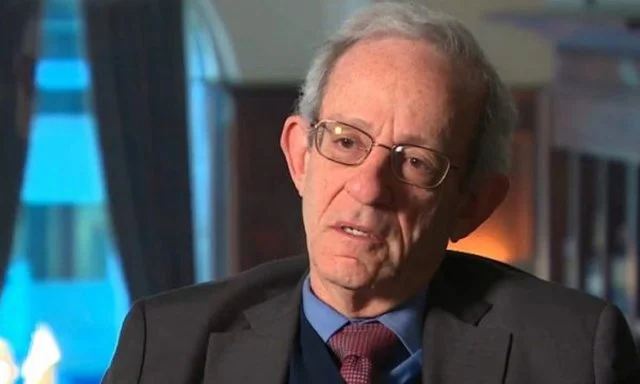
(2 years ago)The knower of political developments in the Western Balkans, Daniel Serwer, has published an article entitled “How to oppose the Serbian world”, which mentions Kosovo, which it says needs its Serbs. Serwer writes that Serbs south of the Iber River seem to have made peace, at least now [...]
Serwer writes that Serbs south of the Iber River seem to have made peace, at least for now, with Albanian-dominated institutions.
“In Kosovo, the Serb population is the largest minority, consisting mostly 6% of the population. Kosovo's constitution provides the Serb minority with broad protection and power-sharing agreements. But most Kosovo Serbs remain separate from the majority of Albanians. Their languages (other than dominant languages in Bosnia and Montenegro) are incompatible. Serbs south of the Iber River live mainly in Serb-run enclaves. But they seem to have made peace, at least for now, with Albanian-dominated institutions in Pristina. Like majority Albanian municipalities, those in majority Serbian have broad competencies over local governance”, he wrote.
According to him, Serbs in the four northern municipalities are less integrated than Serbs south of Ibër, until it adds that Belgrade has made sure that Serbs refuse to accept Kosovo's authority.
Serbia wants Serb majority municipalities to form an association. This would enable them to govern jointly and separately from Pristina, as in Republika Serpskaı. In the right geopolitical environment, the association could even act as a tool for dividing four northern municipalities from a state Belgrade still does not recognise. It would be a similar association of provincial authorities that led to the formation of RS before the attempt to secede it in 1992 from Bosnia”, he writes.
According to him, contrary to this, a difficult maneuver from Pristina is required.
It must convince northern Serbs that they will be better off as Kosovo citizens (even if they keep Serbian citizenship). Some are moving in that direction, as suggested by their increased willingness to receive license plates, IDs, and Kosovo passports. But many of the Serbs in the north have been among Pristina's most combative and sometimes violent opponents. Belgrade has managed to make contact with northern Serbs much more difficult than communication with Serbs in municipalities that have not joined Serbia”, he points out.
According to him, Prime Minister Kurti has a goal that speaks more in Serbian fluent language.
“All Pristina authorities should be more cautious than they have been in the past to display the country's ethnically neutral flag, instead of the ethnic Albanian flag (also the Albanian flag), which many prefer. The implementation of many power-sharing agreements in the constitution is not easy, but still necessary. So is financial support for the Serb communities and implementation of the Constitutional Court's decision to the Decani monastery, which Pristina has so far rejected, ”, he writes.