6 minutes ago
Poverty, Unemployment, and the prices of articles
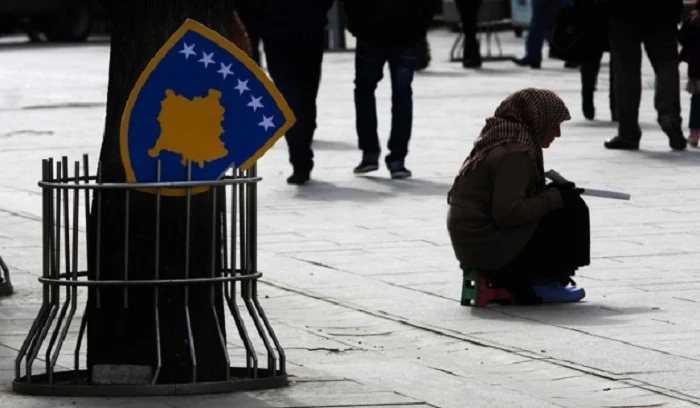
Periskopi(2 years ago)
(2 years ago)Poverty, unemployment and prices for essential articles are among the biggest problems that concern Kosovo citizens, according to the latest findings of the UN Development Programme (UNDP) in Kosovo, summed up in the latest Public Puls report. Health care services and urban space problems are [...]
Health care services and urban space problems have also been cited as problematic areas for Kosovo citizens.
These findings were compiled after the survey of 1,306 residents in Kosovo, over the age of 18, between November 8th-27 and 2023.
The Public Pulse Project, dating back to 2002, is financed and supported by the United States Agency for International Development (USAID) in Kosovo.
The report has reportedly noted changes in the perception of large - scale corruption among Kosovo Police (from 7.3 percent to 17.9 percent) and to municipalities (from 15.8 percent to 21.7 percent).
Corruption perception has been observed in the court field (from 37.7 percent to 28.8 percent).
When it comes to corruption, 64.7 percent have said that information on the subject is obtained from the media, while 30.5 percent get an impression on the subject from conversations with friends and relatives.
“Only 5.5 percent of respondents claimed personal experiences shaped their perception of large-scale corruption”, said in the region.
In the 2023 Corruption Perceptions Index report compiled by international organisations Transparency International, it has been said that in Kosovo there is no political readiness to give up interference in the judiciary, and this country has yet to work in fighting corruption.
Like last year, Kosovo has 41 points.
The index lists 180 countries and territories of the world each year based on perceived levels of corruption in the public sector. He uses a point methodology, according to which zero points for a very corrupt country, while 100 for a clean spot from this phenomenon.
In the Public Puls report, citizens have also been asked about the impressions they have of normalising relations between Kosovo and Serbia.
According to the findings, 59.3 per cent of Albanians in Kosovo and 32.4 per cent of Kosovo Serbs believe an agreement in this regard would positively affect their lives, while 62.5 per cent of Kosovo's other communities believe the agreement would improve their lives.
Kosovo and Serbia, under European Union mediation, negotiate with the aim of normalising relations in Brussels since 2011.
The sides have signed a host of agreements, but not all have been implemented.
The international factor has reminded the parties that the road ahead in this direction is key to the life of European integrations.