17 minutes ago
Meeting in Brussels ends: Lajcak met separate Kosovo, Serbian delegations on dinar issue
Periskopi(2 years ago)
(2 years ago)In Brussels, separate meetings between the European Union's emissary, Miroslav Lajcak, and the Kosovo and Serbian delegations have ended over the use of the Serbian dinar in Kosovo. A Kosovo Central Bank regulation (BQK), which entered into force on February 1st, envisions the euro as the only currency for handling payments with [...]
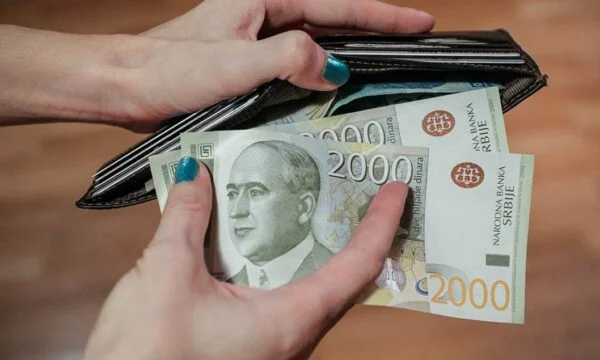
A Kosovo Central Bank regulation (BQK) -- which has entered into force on 1 February -- envisions the euro as the sole currency for delivering cash payments to Kosovo, halting the use of the Serbian dinar.
According to the EU, this decision has caused practical problems for the Serb community in Kosovo, which have used the Serbian dinar and with this currency have received assistance from Serbia.
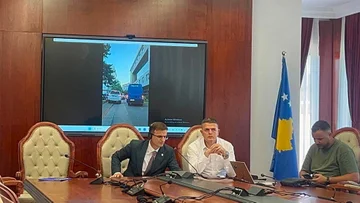
Lajcak first met with the Serbian delegation, led by chief negotiator Petar Petkovic. Later, the European emissary met with Kosovo Central Bank Governor Ahmet Ismaili.
Kosovo has not wanted to send political level to this meeting because it believes the issue of the BEC's regulation of cash payments should not be the subject of dialogue for normalising reports with Serbia.
After the end of Lajcak's bilateral meetings with Kosovo and Serbia delegations, it remains to be seen whether there will be a trilateral meeting.
Kosovo Deputy Prime Minister Besnik Bislimi, who is also the chief negotiator for dialogue with Serbia, had not agreed that the Serbian dinar issue would be part of the dialogue. This, since the Kosovo government considers this to be an internal issue for which independent competence has the CEC.
Bislimi criticised the EU's special envoy for dialogue, Miroslav Lajcak, last week for placing this topic on the agenda of meetings in Brussels, without Kosovo's preliminary reconciliation. According to Kosovo's chief negotiator, Lajcak thus violated the principles of the established dialogue himself, under which no subject can be placed in the order of days without the preliminary reconciliation of Kosovo and Serbia.
But, from the EU, they have replied that the bloc commits itself to finding a solution to the problem, which according to Brussels, has caused Kosovo to decide unilaterally and without consultations with either partners or with the community, which has direct consequences from this” decision. According to the EU, dialogue is the forum where solutions should be found for all open issues between the parties, and member states have said that, but other international partners as well.
The day before, they told the CQ. REL is willing to meet with representatives of the People's Bank of Serbia to facilitate the transfer of money through bank channels.
“In this sense, [ The CBK also answers invitations when necessary, for such information meetings, as it has consistently done with international presence in the country”, was said in the BQ's response. REL.
The Serbian state allocates millions of euros to Serbs in Kosovo after paying them in dinars through a parallel system of salaries, pensions and additional aid.
Authorities in Kosovo have said that the BEC's regulation for cash operations will be implemented through a relaxed transition, no longer than three months, meanwhile Prime Minister Albin Kurti has insisted that the decision will not be undone.
The United States, meanwhile, has urged Kosovo to postpone implementing the BEC's decision, as they have argued it has been taken without preliminary consultations and without having a negative impact on the Serb population in Kosovo.