6 minutes ago
US and EU concerns about stopping the dinar: BQC appears with 20 clarifications for the new rule
Periskopi(2 years ago)
(2 years ago)The US State Department, the European Union and the QUINT embassies in Kosovo have criticised the Government of Kosovo for the issue of the BEC's New Order that prohibits the use of the dinar, saying it will have influence on local Serbs who receive financial support from Serbia. The moment it became known that [...]
The US State Department, the European Union and the QUINT embassies in Kosovo have criticised the Government of Kosovo for the issue of the BEC's New Order that prohibits the use of the dinar, saying it will have influence on local Serbs who receive financial support from Serbia.
At the moment it became known that the regulation would come into force from February 1st, their demands have been to postpone such a decision and find a practical solution in Brussels under the dialogue.
Despite major international pressure, however, the government has decided to move forward with implementation, saying there will be a transitional period at first, where there will be more information and no punitive approaches.
The Government's decision not to back down with the implementation of the ECR has been well received by Washington, Brussels and official Paris. The US State Department has said such actions without Kosovo's co-ordination prevent the US from lobbiing for Kosovo in the international arena, Brussels has called for solutions through Dialogue, while Paris has called for immediate suspension of the decision. All have sought to create a space that would enable local Serbs to cope more easily with such a decision.
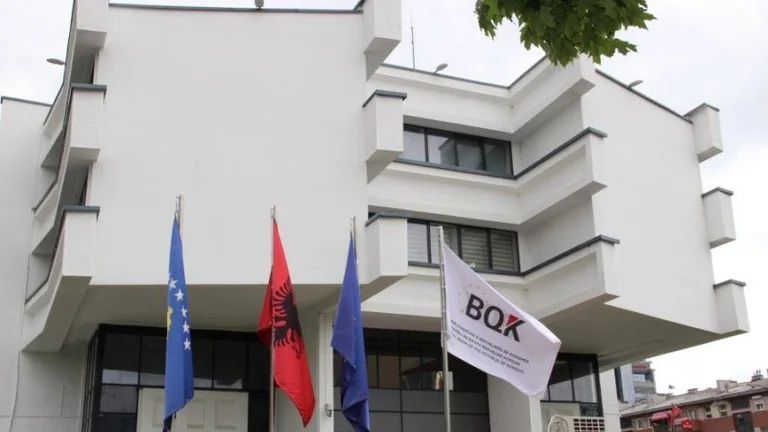
Viewing the severity in the positions of key internationals and criticism that the decision is being made without co-ordination and that such a decision will affect the lives of local Serbs, the Kosovo Central Bank has come up with a clear article on the issue of the new regulation.
The BEC has clarified that all citizens of the Republic of Kosovo can accept their financial aid, pensions or salaries from Serbia in their Euro-euro bank accounts through banks operating in Kosovo and which are licensed by the CEC.
The Central Bank in this enlightening article has said that after accepting this revenue in euros, any citizens who might be needed in dinars could then return it to licensed exchanges.
The regulation contains 20 clarifications and is published in three languages, Albanian, Serbian, and English.
LINK: https://bit.ly/b*