10 minutes ago
Documents Kurt handed over to QUINT ambassadors
Periskopi(2 years ago)
(2 years ago)Prime Minister Albin Kurti, at yesterday's meeting with the QUINT ambassadors, where the current situation in the country has been discussed, with emphasis on the Central Bank's pre-determic Operations regulation, has presented several documents through which he has presented the actual situation. In documents provided by RTK, which the first executive was [...]
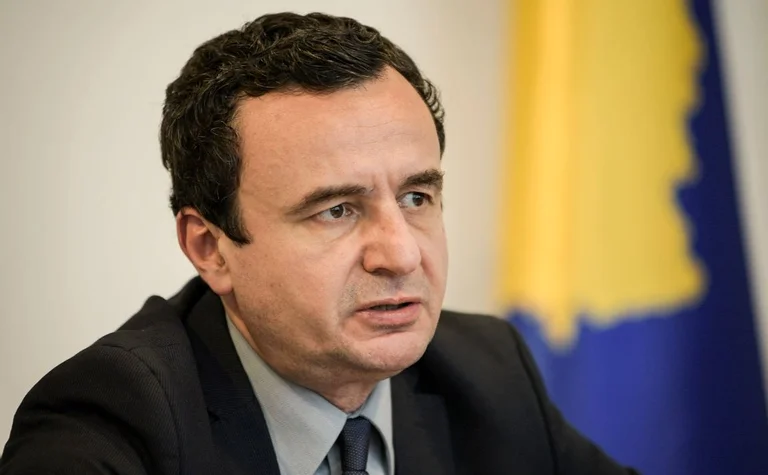
Prime Minister Albin Kurti, at yesterday's meeting with the QUINT ambassadors, where the current situation in the country has been discussed, with emphasis on the Central Bank's pre-determic Operations regulation, has presented several documents through which he has presented the actual situation.
In documents provided by RTKlive, which the first executive has handed over to the ambassadors, he has introduced the functioning of the illegal structures of Serbia within Kosovo, which seriously violate the judicial and constitutional order of the Republic of Kosovo. The prime minister has made it clear to the ambassadors that the Constitution of the Republic of Kosovo and the laws adopted in the Assembly of the Republic of Kosovo, agreements with Serbia, and the Ahtisaari Pack do not foresee the creation or functioning of the illegal system or municipalities of Serbia within the territory of the Republic of Kosovo. He has said that these structures, which provide illegal services to citizens of the Serb community, are obstacles to the integration of this community into the Kosovo Republic system.
In addition to this document, it points out that employees in these facilities are selected through a completely nontransparent process, with security structures in co-operation with Milan Radojciqi and that the same are used for political and security purposes, exercising influence and pressure on Serbian citizens living in Kosovo.
Being entirely controlled structures by the Serbian state, employees and their spaces were in full service to Serbian or Russian secret services.
It has become clear that these illegal structures, at the order of the Serbian government, are continuing to finance businesses and people on the US, UK and Republic of Kosovo blacklist.
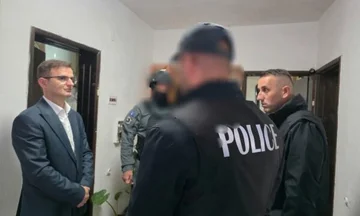
According to the submitted documents, Prime Minister Kurti has made it clear that police action to close illegal municipalities did not target closing health, education, pharmaceutical or postal systems.
The list of pro-active measures undertaken to improve the participation of Serbs in Kosovo institutions and public life has also been presented.
Kurti has said they are committed to ensuring that all communities in Kosovo can enjoy visa-free travel with Kosovo passports and through the submitted documents has called on the EU to support reviewing the proposal for visa liberalisation even for Kosovo Serb citizens with Serbia's passports, calling on the EU to join the Kosovo government's campaign to encourage and invite all Kosovo Serbs to receive Kosovo passports and contribute to further normalisation and good neighbourly relations between Serbia and Serbia.
As to the issue of the dinar ban, Prime Minister Kurti has submitted documents in which it is documented that citizens of the Serbian community already have a euro bank account in a licensed institution, as they already receive pensions, social assistance payment, child benefits and salaries from the Kosovo Treasury in euros, in their bank accounts. According to the Government head, the payments received from Serbia for most of these families are the second source of income, in addition to what they receive from the Kosovo Treasury.