2 minutes ago
Can Brussels resolve the conflict for the Serbian dinar?
Periskopi(2 years ago)
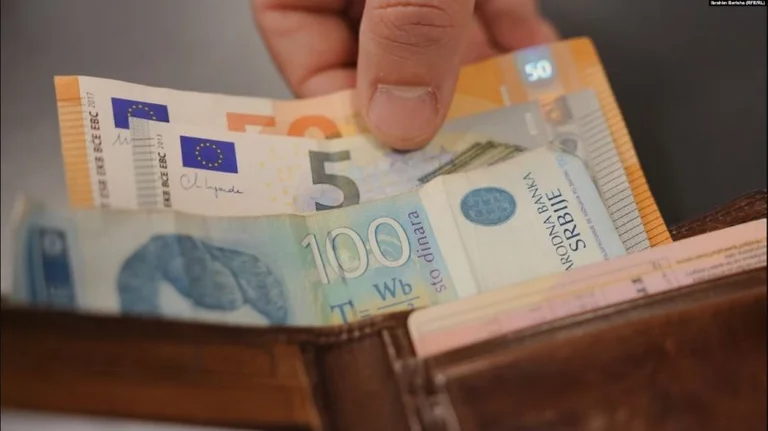
(2 years ago)Another attempt to mediate Brussels on the Kosovo issue, Serbia, in the course of debates on removing the Serbian dinar from bank transactions in Kosovo. Brussels fears escalation of the relationship between the two countries and has therefore invited representatives of the two governments on February 27th to negotiate the issue. But so far, [...]
Another attempt to mediate Brussels on the Kosovo issue, Serbia, in the course of debates on removing the Serbian dinar from bank transactions in Kosovo. Brussels fears escalation of the relationship between the two countries and has therefore invited representatives of the two governments on February 27th to negotiate the issue. But so far, the EU invitation to February 27th, seems to have not confirmed either of the parties. We have said we have invited the parties, but we have not confirmed any meeting observances so far” tells of Deutsche Welle Peter Stano, spokesman for EU diplomacy chief Josep Borelli.
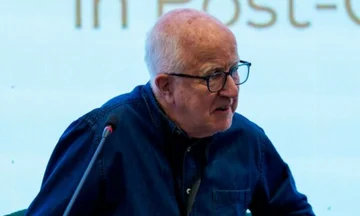
American professor Daniel Server, Balkan expert, says Brussels' high-level mediating meetings have usually not produced results.
dinar is not part of the dialogue process
The DW also contacted Prime Minister Kurti's cabinet, which clarified that Kurti would be located in the United Kingdom in those dates and recommended contact with Deputy Prime Minister Besnik Bislimi's cabinet, as well as chief Idialog negotiator with Serbia. According to Deputy Prime Minister Bislimi's spokesman: the BEC's “Rule for cash operations (or what they are trying to call the dinar issue) is not part of the dialogue process. At this meeting called, the chief negotiator or anyone from the negotiating team will not go, as we said, it is not part of the dialogue process. For the rest, if any other representatives go or who he will be, you will be kept informed”.
Kosovo Central Bank's decision to ban Serbian dinar in conducting financial actions in Kosovo sparked numerous reactions in Kosovo Serb majority municipalities the Kosovo Central Bank's decision to ban Serbian dinar in carrying out financial actions in Kosovo sparked numerous reactions in Kosovo Serb majority municipalities
Kosovo Central Bank's decision to ban Serbian dinar in conducting financial actions in Kosovo sparked numerous reactions in Kosovo's majority Serb municipalities
While on the Serbian side, President Vucic publicly requested such a meeting a few days ago, during a press release from the Munich Security Conference. “It seems to me that the EU cannot or will not take action against Pristina, which not only implements unilateral measures but also requires ethnic cleansing of Serbs in Kosovo, with any possible form of” Vucic told reporters in Munich. Daniel Serwer, director of the Conflict Management Department at “John Hopkins”, with a long experience in studying conflicts in the Balkans, tells Deutsche Welle that “none of these high-level meetings between the parties have had enough results of”.
Serbian dinar ban
Serwer understands the CEC's decision as an obstacle to using the Serbian dinar only to conducting transactions. This sounds like a practice in many countries. In the United States, as far as I understand, the only legal currency is the dollar” he says of the DW.
Kosovo Prime Minister Albin Kurti considers the use of the Serbian dinar in Kosovo's majority Serb municipalities as a tool that supplies illegal traffickings and criminal groups in the north. Following the decision, the United States and the EU urged the Kosovo government to give Serbian citizens more time to get used to the new reality and reminded the prime minister that he could lose much of the strategic partnership. Direct and tough, US Ambassador to Pristina Jeffrey Hovenier said the Kurti government had taken unilateral action without consulting them and that “situata has affected the relationship between the two countries”. The impact on bilateral relations was not accepted by the Kosovo government, however, the Kosovo Central Bank came up with another decision a few days after the first one, which said “had drafted another plan with additional actions, which are expected to be realised in the short term but no longer than three months, in co-operation with banks and other financial institutions”.
Since the release of the regulation to ban the Serbian dinar in financial transactions, Serbia's government has considered the decision to be ethnic cleansing against Serbs in Kosovo, which was also diagnosed during the extraordinary session at the UN Security Council, where Serbia and Russia alike unearthed the dinar issue. The prefix for ethnic cleansing is false. But it is important for Pristina to ensure as well as possible that the interests of all its citizens are well represented. This seems to allow for a transitional period, followed by necessary settings” ⇩ analyzes Serwer.
The use of the Serbian dinar in carrying out financial actions in Kosovo has been banned by law since 1 February. The Kosovo Central Bank's decision sparked numerous reactions in Serb majority municipalities in Kosovo, Serbia and the international community.