a few seconds ago
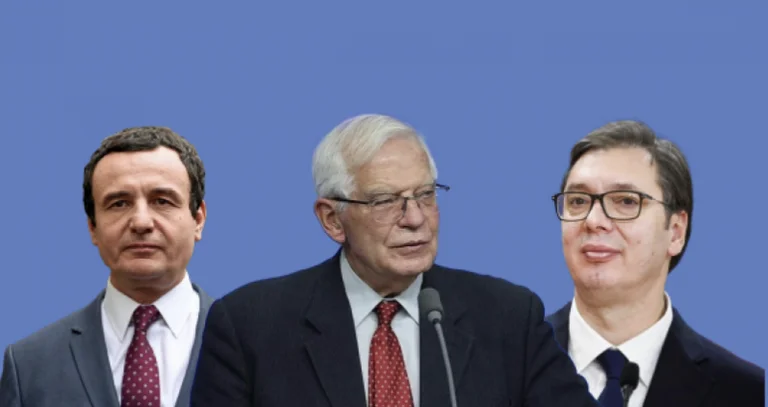
Borrell meets Kurt and Vuchchi
Periskopi(2 years ago)
(2 years ago)European Union diplomacy chief Josep Borrell said that in Munich he will hold separate meetings with Kosovo Prime Minister Albin Kurti, and Serbia's president, Aleksandar Vuciq. But, a joint meeting of leaders with the European mediator of dialogue is not in the agenda. Kurt and Vuchy are among the dozens of leaders [...]
European Union diplomacy chief Josep Borrell said that in Munich he will hold separate meetings with Kosovo Prime Minister Albin Kurti, and Serbia's president, Aleksandar Vuciq. But, a joint meeting of leaders with the European mediator of dialogue is not in the agenda.
Kurti and Vuciq are among the dozens of leaders from around the world who are participating in the Munich Security Conference, which begins the work on February 16.
It's not in my planning, it's not in my schedule, but if possible, we'd be happy. On the contrary, I should try to achieve this [the Kurti-Wuchic meeting] elsewhere”, Borrell said in Munich.
The top European official will meet with Kurti on Friday, meanwhile, one day later he will hold a meeting with Vuciqi.
Kurti and Vuciqi's participation in Munich is taking place at a time when tensions between their two states have increased, due to Kosovo's decision to ban the Serbian dinar for carrying out cash payments.
The European Union has demanded that Kosovo Central Bank regulation, Kosovo and Serbia discuss in Brussels, within the framework of dialogue mediated by the European bloc.
This regulation went into effect on February 1st, and Kosovo authorities said it is being implemented through a transit relief phase, which will last no more than three months.
The United States has criticised the BEC regulation, which envisions only the euro being the currency for cash payments and has called for delaying its implementation. US Ambassador to Pristina Jeff Hovenier has stated that failure to meet American demand has only affected reports between Washington and Pristina.
Serbia has sharply criticised the BEC regulation, interpreting it as the goal of the Government of Kosovo to expel Serbs. The Serbian state allocates millions of euros to Serbs in Kosovo after paying them through a parallel system of salaries, pensions and additional aid.
Serbia's People's Bank has long sent dinars to a safe in the municipality of Leposaviqi in northern Kosovo, and they have been transported by the international company Henderson.