12 minutes ago
BBC for the dinar: Kosovo government has shown little readiness to listen to allies
Periskopi(2 years ago)
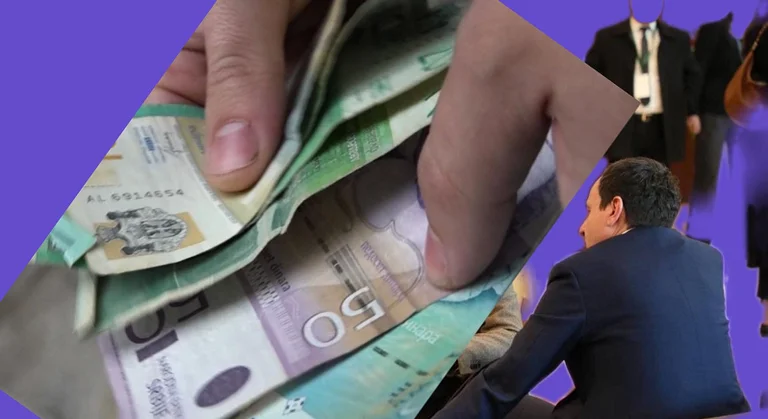
(2 years ago)British Media The BBC has dedicated a special article to the Kosovo Central Bank's decision envisioning only euro currency to be used for payment, ending the use of the Serbian dinar. According to this medium, this decision has caused concern to international partners. Kosovo's <x0) authorities are moving ahead with a policy that [...]
British Media The BBC has dedicated a special article to the Kosovo Central Bank's decision envisioning only euro currency to be used for payment, ending the use of the Serbian dinar.
According to this medium, this decision has caused concern to international partners.
Kosovo's <x0).Authorities are moving ahead with a policy that makes the euro the only acceptable currency, even though some areas still use Serb dinars. The move has caused concern to Kosovo's international partners. The EU, the US and the United Kingdom are concerned that this could increase tensions in Serb majority municipalities. After being pressured, the Kosovo government said “would not immediately implement punitive measures” if people continue to use the dinar”, the BBC's writing begins.
On the other hand, it says Serbs have not been familiar with the Kosovo authorities' plan to prevent the use of the dinar.
The use of the dinar reflects the fact that most of the population in Kosovo's four northern municipalities are Serbs, and many of them work in institutions which are still financed by the Belgrade government. That means their salaries are paid in dinars. The same is true of pensions and social benefits paid to Kosovo Serbs, who are majority in a total of 10 municipalities. They have had little notice of the authorities' plan to stop using the dinar. The central bank made the announcement only in mid-January, taking no time to adjust”, continues the writing.
The EU says it is “concerned about the consequences this decision could have on the daily life of Kosovo Serbs”. It also criticised “the lack of preliminary consultations” and warns that the policy for using only the euro could have “impact on schools and hospitals, given the apparent lack of alternatives at this moment”. The US and Great Britain have expressed similar concerns.
According to the BBC, the Kosovo government has shown little readiness to listen to the country's supporting states.
“But the government in Pristina has shown little inclination to listen to Kosovo's biggest supporters. In fact, Deputy Prime Minister Besnik Bislimi argues that the new regulations do not constitute a currency ban, since it “was not allowed in Kosovo either before”. Instead, politics targets “to protect consumers and the payment system in Kosovo”, he says.
Medium also said the EU is trying to convince Prime Minister Kurti to relax and that the EU is trying to exercise its influence at the time when normalisation talks between Belgrade and Pristina are almost completely stalled.
For the moment, despite the ban, people in northern Mitrovica still use dinars and may even withdraw them from the money cars of the Post Savings Bank. But for Kosovo Serbs, the currency situation adds a growing sense of uncertainty”, said at the end of the writing. /phose illustration: periscope/