7 minutes ago
Lajcak: Prepared for rapid progress in dialogue, immediately after Kosovo elections
Periskopi(2 years ago)
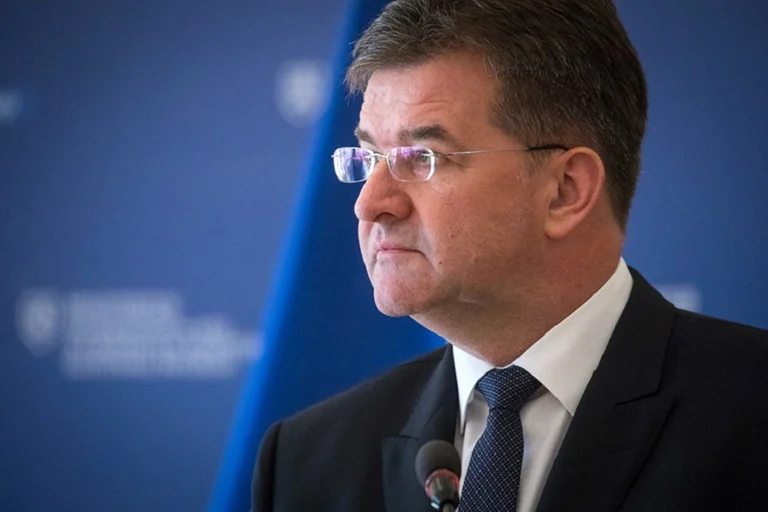
(2 years ago)The European Emisar for dialogue, Miroslav Lajcak, has said the European Union is preparing for rapid progress in talks between Pristina and Belgrade, immediately after elections in Kosovo, which will be held in February 2025. Anni that the mandate itself ends in January, Lajcak has said no progress is expected before [...]
Anni that that mandate itself ends in January, Lajcak has said no progress is expected before parliamentary elections in Kosovo.
However, he has warned progress, immediately after the elections.
“want to be realistic, Kosovo is going to the polls in February. The EU is in a transitional process. So I was asked to extend the mandate just to guarantee the continuation of this process. The process is continuing, we have had meetings at the chief negotiator level. But our political and personal experience shows that you cannot expect progress before the elections, but we are preparing for rapid progress soon after the elections. ” BS”, air Nacional.
“We saw normalization, we saw the Government of Kosovo...”
Kosovo-Serbia relations, according to the European Empire, are the biggest strategic challenge in the region. During that presentation, he has said 18 months after reaching the agreement on the road to normalisation, implementation has not been seen.
“I continue to believe that the relationship between Kosovo and Serbia poses the biggest strategic challenge in the region. They have an impact on everything, starting with regional co-operation and finishing with European integration. Last year we achieved something very important -- the Agreement on the road to normalisation -- that provides a very clear trajectory before normalising relations between Kosovo and Serbia. Unfortunately, today 18 months later, we have seen very little implementation of the deal, which is disappointing.” Lajcak said.
Instead, the EU envoy has said that the government's efforts for rule of law in the north have been seen, for which he said they were made in a way that has sparked objections from the international community.
“What we have seen instead are government efforts to achieve the rule of law in northern Kosovo. They all support rule of law. But unfortunately, this has been done in a way that has sparked opposition from the international community and frustration in the local community. So we have less normalization and more tension. ” he said.