23 minutes ago
What's happening to food for soldiers?
Periskopi(2 years ago)
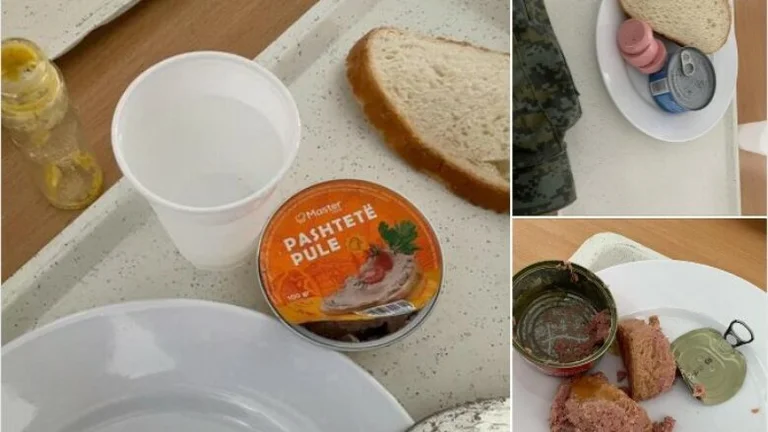
(2 years ago)Photos of Kosovo Security Force members published in local media and social networks sparked debate in Kosovo's public and political sphere for the soldiers' poor “menity”. The opposition accused power of leaving the KSF without bread, the ruling party Vetevendosje Movement named the issue propaganda, [...]
The opposition accused power of leaving the KSF without bread, ruling party Vetevendosje Movement named the issue propaganda, as Kosovo president asked for a report on the situation created with soldiers' food, writes Free Europe.
The defence ministry insisted that soldiers have not remained without a single day, though it acknowledged that it faces imminent problems for the supply of KSF with food.
Defence Minister Ejup Macedonia said that from 2015 until this year, the institution that leads, has successively linked emergency contracts to the food issue, which have been months old and are seen as suspicious by the opposition.
The recent contract with suppliers expired on September 30th, and a new tender has been cancelled by the Defence Ministry on 11 October, due to disagreements among the announced winning companies, according to Deputy Defence Minister Shemsy Syla.
Food Self - Endurance
He told Radio Free Europe that it has been decided now that “will be passed on to food self-continence”.
Why?
According to him, “has consistently had complaints, as well as dissatisfaction, whether because of lengthy tendering procedures or other issues that have questioned food supply”.
Syla confirmed that the ministry has now opened a “competition to recruit professional staff for preparation and food service”.
The contest says the ministry is looking for 25 cooks, 23 assistant cooks and 42 food distributors for soldiers, for which they are currently caring for the cooks of the Student Centre and the Correcting Service.
Minister Macedonia stated that the concept of self-responsability means money savings and security in terms of providing food to military units, but also independence from operators.
But, the opposition argued that building capacity for self-responsability, in terms of food supply, could jeopardise the KSF.
Some MPs even alarmed that the current food situation is serious and that soldiers risk poisoning.
NATO Standards
Deputy Prime Minister Syla explained to the REL that the KSF adheres to the standards of the North Atlantic Treaty Organisation (NATO) in terms of food for soldiers, taking care of the nutrients and calories they must receive through food.
And according to him, these values vary on the basis of soldiers' active state during the stage of training, operations, exercises or day-to-day administrative activities.
However, he acknowledged that a lack of certain items, including trees and vegetables, is being met.
The neighbouring state, Montenegro, which is part of NATO, cares for nutrients, according to specific alliance standards, offering its military three types of shutter -- liquid, dry and mixed.
The first group includes such foods as vegetables, meat, canned foods, fresh eggs, and others.
Meanwhile, dried foods are prepared primarily and soldiers take them to the ground.