10 minutes ago
EC candidates at hearing hearings question even Kosovo
Periskopi(2 years ago)
(2 years ago)As much of the world is expected to focus on presidential elections in the United States and their results, the European Union will be busy with all else: hearing sessions for 26 commissionors, which are scheduled from November 4th to November 12th. Each candidate, in three hours, will [...]
Each candidate, for three hours, will face the questions of members of the European Parliament in a committee linking their portfolios.
Last time, in 2019, three candidates have not passed. Something similar can happen again and lead to additional hearings during November.
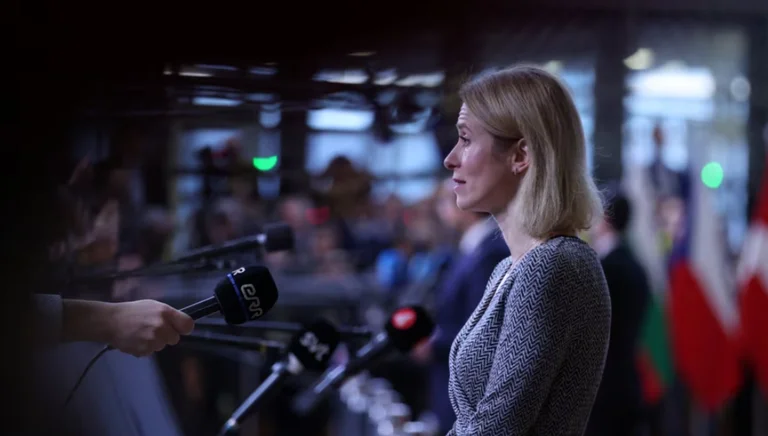
What is expected to pass is EU foreign policy chief Kaya Kallas. Estonia's former prime minister is considered one of the <x0yjet” of the new European Commission president's team, Ursula von der Leyeen.
What will be interesting at its November 12th session is to see whether and how much it will ease its harsh rhetoric towards China and Russia to adapt to the new position, where diplomacy and consensus on foreign policy issues are very important.
Judged by Von der Leyen's letter to Kallas, most of the questions will be for Ukraine.
In the letter of the mission, which is a public document outlining what the president expects of a commissioner over the next five years says: “We will work closely together to ensure that Europe stays with Ukraine as long as it needs economic, politically and militarily, and supports its territorial integrity”.
Can Callas offer something new here?
Kiev is expected to open EU membership negotiations chapters next year, and EU financial support for Ukraine for 2025 has been secured.
So far, the EU has undertaken 14 rounds of sanctions against Russia, but, according to diplomats in Brussels, it is becoming increasingly difficult for member states to obey to adopt additional measures against Moscow.
Therefore, it will be interesting to see whether Kallas will take a tougher stance, for example, by preventing the bypassing of sanctions with the addition of third-nation companies or even third countries on the EU blacklist.
The EU has mechanisms to do so, but the lists, so far, are left empty.
If approved, and the question is when and not whether Callas is likely to present a new regime of sanctions that would target hybrid threats to the EU.
A new regime dealing with Russian subversive actions towards the bloc has been adopted late, but Kallas is expected to push ahead with a global mechanism.
Many Eurodeputs will certainly encourage Kallas to include corruption as a sanctioned act in the EU's “Magnitsky” Act, which stipulates sanctions for human rights offenders in Russia.
This is something that has been avoided by previous EU foreign policy chiefs and those who support such a move, hope it will mean exploiting the frozen Russian assets in the EU to pay for the reconstruction of Ukraine.
Both of these movements require unanimity and will be Callas's duty to carry it out.
Both Von der Leyen and the European Parliament will want Kallas to try to make more EU foreign policy decisions, by majority vote.
Perhaps the most curious aspect of Von der Leeyen's letter of mission is that it does not mention the Western Balkans or China. But the eurodeputs will surely ask him about both.
She will likely announce at the hearing that her first commissionary trip will be to the Western Balkans. As for this region, it will surely be asked how it aims to revive the EU-brokered Pristina-Belgrade dialogue. /REL/