3 minutes ago
Berlin Process upcoming summit today, Kurti represents Kosovo
Periskopi(2 years ago)
(2 years ago)The CEFTA unblocking avoided Kosovo's possible departure from the Berlin Process, the only European platform where Kosovo is presented completely equal to all other participants. Kosovo's participation in the Berlin Process has provided a platform for dialogue and co-operation with other Western Balkan countries, including those [...]
The CEFTA unblocking avoided Kosovo's possible departure from the Berlin Process, the only European platform where Kosovo is presented completely equal to all other participants.
Kosovo's participation in the Berlin Process has offered a platform for dialogue and co-operation with other Western Balkan countries, including those that do not recognise its independence.
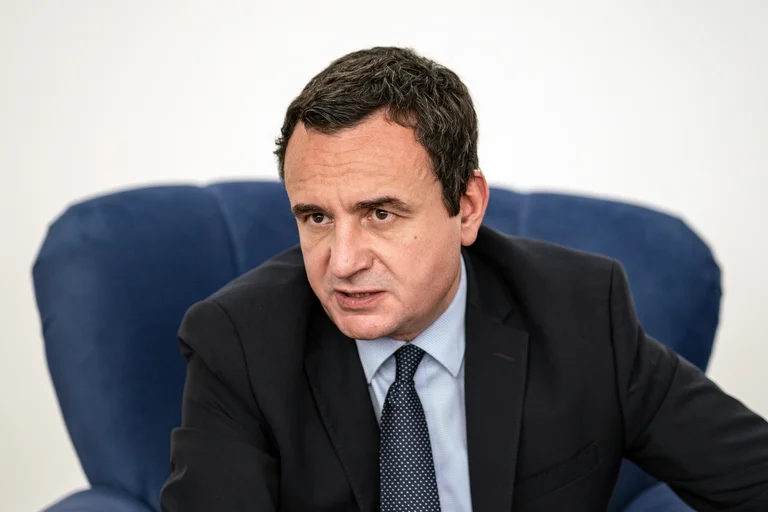
Today, at the German centre will be the next summit of the Berlin Process, where Kosovo will represent Prime Minister Albin Kurti.
It will be this summit where the tenth anniversary of the establishment of this diplomatic initiative, whose godmother was then Chancellor Angela Merkel.
Founded in 2014, the Berlin Process aims to promote regional co-operation, reconciliation and EU integration among Western Balkan countries through economic, political and infrastructure support.
Within the Berlin process, about 15 agreements have been signed so far, covering various aspects of trade, free movement, digital transformation, infrastructure co-operation and energy.
The agreements are usually signed at the level of leaders who, under this initiative, meet once a year.
In the absence of obvious progress in the region's states in European integration processes, where the countries of the region are in uneven phases, the Berlin process has helped to keep European Union enlargement high in the agenda of Brussels. The Berlin process continues to play a crucial role in promoting co-operation and development in the Western Balkans.