23 minutes ago
Vuciq rejects calls for international investigation of irregularities in Serbia's elections
Periskopi(2 years ago)
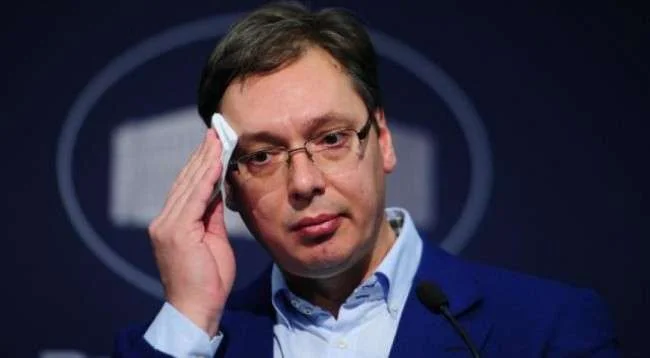
(2 years ago)Serbia's president, Aleksandar Vuciq, has rejected calls for an international investigation into alleged irregularities in the recent parliamentary and local elections, which sparked protests organised by the opposition, which is demanding cancellation of the elections. Demonstrators are protesting the streets of Belgrade and other cities in Serbia since the [...] elections.
Serbia's president, Aleksandar Vuciq, has rejected calls for an international investigation into alleged irregularities in the recent parliamentary and local elections, which sparked protests organised by the opposition, which is demanding cancellation of the elections.
Demonstrators are protesting in the streets of Belgrade and other cities in Serbia since the December 17th elections, which according to preliminary results has won the Serbian Progressive Party (SNS) of Vucich.
The opposition coalition “Serbia against violence”, which came second in parliamentary elections, has accused the SNS of widespread electoral fraud, accusations authorities deny.
An international mission that monitored the elections said after the vote that the SNS had gained unfair advantage through unilateral media, through Vuciqi's influence, and had also observed irregularities in the polls like vote buying.
Serbian authorities have denied all these charges.
Rejecting any external investigation, Vucic said on 2 January that elections in Serbia “are the issue of state institutions [Serb]”.
Vuciq suggested that Serbia's “coalition against violence”, which has led the protests, opposes the election outcome, separately local elections in Belgrade, because, according to him, this party did not do well in the elections as expected.
In parliamentary elections, coalition “Serbia against violence” has come to second place with 23.56 per cent of the vote, followed by the Socialist Party of Serbia with 6.56 per cent.
Final results are expected to be published this month.
Thousands protested in Belgrade on December 30th of 2023, in what was described as the biggest protest ever in terms of elections, while protesters cheered “Hajna”.
That protest was organised by independent civic initiative ProGlas, which prior to the elections campaigned for higher exits to the polls.
On December 17th, Serbia held parliamentary, local and district elections. The opposition has called for an international investigation, as representatives of several foreign organisations that have monitored the process reported irregularities, including the filling of boxes and vote buying.
Local election monitors have also said voters from all over Serbia and from neighbouring states were registered in Belgrade to vote in local elections. /rel/