6 minutes ago
Republika Srpska celebrates crime and criminals' day: Some Interesting Facts About January 9
Periskopi(2 years ago)
(2 years ago)For many years, the Serb community of Republika Srpska in Bosnia has celebrated January 9th as Republika Srpska's day, despite Bosnia's Constitutional Court of Hercegovoina, twice declared it unconstitutional. January 9, 1992, marks the date when the Serbian people's parliament in Bosnia and Herzegovina was founded and proclaimed [...]
For many years, the Serb community of Republika Srpska in Bosnia has celebrated January 9th as Republika Srpska's day, despite Bosnia's Constitutional Court of Hercegovoina, twice declared it unconstitutional.
January 9th 1992, marks the date when the Serbian people's parliament in Bosnia and Herzegovina was founded and proclaimed the so-called Serbian Republic of Bosnia and Herzegovina, which would later only be called Republika Srpska.
De facto, this state was declared a parastate without any recognition within the Socialist state of the Republic of Bosnia and Herzegovina, whose Constitution was still valid.
This date, is driven by Republika Srpska's political nomencture because they are inclined to believe this story is an entity older than Dayton himself.
On the opposite of January 9th, the independence referendum, held from February 28th to March 1st, also marks Bosnia and Herzegovina's independence, which had been internationally recognised and accepted a seat at the UN.
But what, in essence, is January 9, 1992?
This date marks the birth of criminal ideas, which for years were followed and produced by war criminals who committed crimes in specific Bosnia in Srebrenica.
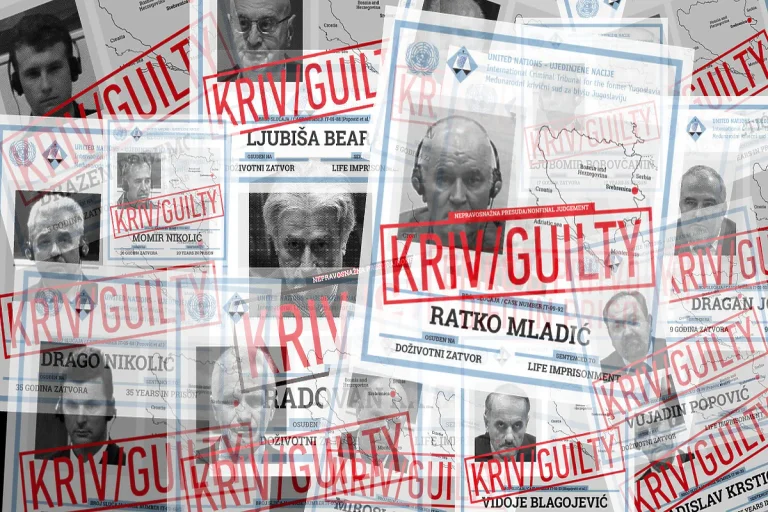
The International War Crimes Tribunal in the former Yugoslavia, the Court of Bosnia and Herzegovina and courts in Serbia have condemned more than 50 people with more than 700 years of condemnation for crimes committed at Srebrenica.
In 40 court verdicts, those of the International Court include 7 war crimes outlets in Srebrenica.
January 9th, is the date when the murder, persecution, rape and torture in Bosnia and Herzegovina began.
That date, in Republika Srpska, is marked to exalt criminal names such as Radovan Karadzic, Ratko Mladic, Momcilo Krajisnik and a string of other criminal names.