7 minutes ago
Phone conversation with Netanyah, White House: Talk about the situation in Israel and Gaza
Periskopi(2 years ago)
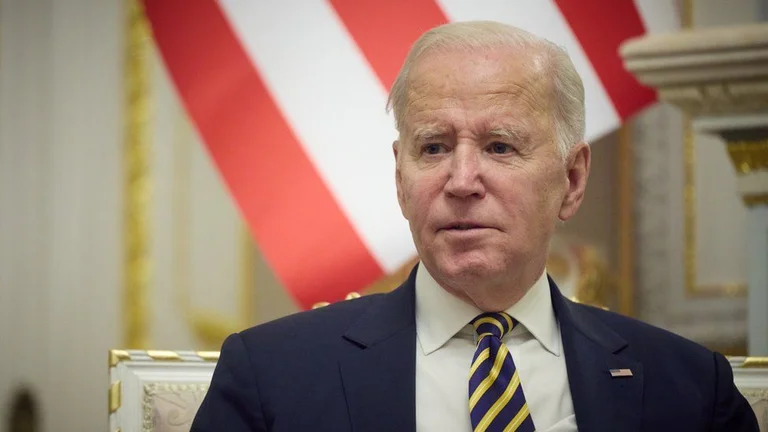
(2 years ago)The president of the United States, Joe Biden, had a telephone conversation with Israeli Prime Minister Benjamin Netanyahu about the “situte in Israel and in Gaza”, the White House announced on Friday. Details of the conversation between the two leaders have not been published, but the White House said I will give more details later, reports [...]
The president of the United States, Joe Biden, had a telephone conversation with Israeli Prime Minister Benjamin Netanyahu about the “situte in Israel and in Gaza”, the White House announced on Friday.
Details of the conversation between the two leaders have not been published, but the White House has said I will give more details later, Reuters reports.
The talks were reportedly held after officials of the International Committee of the Red Century reported <x0-second intense attacks by Israeli fears at Al-Amal” hospital in Khan Yunis ] a town in the southern part of the Gaza Strip.
Israel launched new attacks this week in the city, which it says is a basis for Hamas' fighters ʹthe Palestinian group declared terrorist organisations by the United States and the European Union.
Israel began offensive following the unprecedented attack of Hamas in southern Israel on October 7th, when the group's warriors killed 1,200 people and took some 250 others hostage. Near 130 hostages Israel believes they are still under the capture of Hamas. War has raised tensions throughout the region, threatening to fuel further conflicts.
Israel's attack, one of the deadliest and most devastating military campaigns in modern history, has left nearly 25,000 Palestinians killed, according to the Gaza health authorities. Israeli offensive has also caused great destruction, and over 80 percent of the territory's population of 2.3 million have fled their homes.
Prime Minister Benjamin Netanyahu, has rejected the United States' calls for Israel to reduce the intensity of its military offensive at the Gaza Strip or take steps towards establishing a Palestinian state after the war ends. His refusal immediately provoked criticism from the White House.
Tensions over these issues reflected a major rift between the two allies over the size of Israel's war and its plans for the future of the besieged territory.
Netanyah's statement on January 18th came a day after US Secretary of State Antony Blinken said that Israel could never have “actual security” without a path to Palestinian independence. Earlier this week, the White House also said that it is the right “co time for Israel to reduce the intensity of its devastating offensive in Gaza. / REL