21 minutes ago
Peach: Risk of region destabilising, Kosovo's future is that of a multiethnic republic
Periskopi(2 years ago)
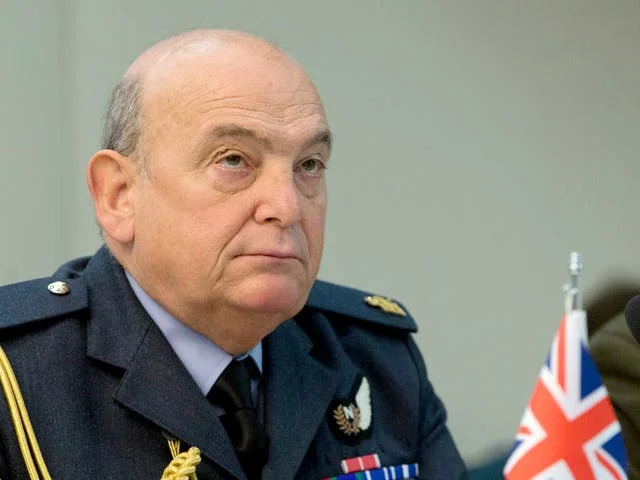
(2 years ago)Lord Stuart Peach, the special envoy of the United Kingdom for the Western Balkans, said in an interview for Croatian news agency Hina reiterated that he condemns the September 24th attack on Kosovo Police in Baniskska of Zvecan. Peach expressed absolute support for normalising relations between Kosovo and Serbia and condemned the organisation of [...]
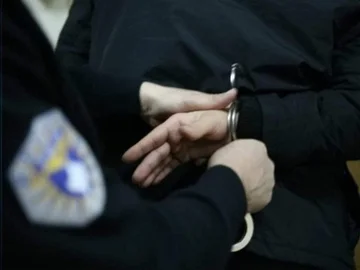
Lord Stuart Peach, the special envoy of the United Kingdom for the Western Balkans, said in an interview for Croatian news agency Hina reiterated that he condemns the September 24th attack on Kosovo Police in Baniskska of Zvecan.
Peach expressed absolute support for the normalisation of relations between Kosovo and Serbia and condemned the organisation of an armed conflict in Banjska in northern Kosovo, writes Al Jazeera broadcasting the British envoy's interview.
Peach called <x0incident graveist” the attack on Banjska and stressed that Kosovo institutions are co-operating fully in the investigation, which he said stressed even in Belgrade.
He added that the amount of weapons found could be destabilising for Kosovo, and for that reason, praised the professional and co-ordinated actions of the Kosovo Police.
Of the normalisation of relations between Kosovo and Serbia, Peach said they would benefit all citizens of both countries, but also the region. Kosovo's future is that of a multiethnic republic, said Peach, presented the Express newspaper.
Peach conveyed the call of the United Kingdom for Serbia to impose sanctions on Russia and investigate irregularities in elections held in December.
Republika Srpska's entity in Bosnia and Herzegovina cannot be an independent state, Stuart Peach said. London “condemns threats” for Republika Srpska's secession and continues to support the Dayton Agreement, the former commander of the British Air Force and former chairman of the NATO Military Committee said.
During his stay in Croatia, Peach visited Osijek, where he was at the Centre for Peace and Non-Vuna, and Vukovar, where he visited the Water Tower and Ovcara. He met with representatives of nongovernmental associations to learn first-hand about post-war reconciliation initiatives there.
“I am absolutely committed to reconciliation anywhere in the world, wherever we can bring about change”, Peach said. He stressed that today, due to changing geopolitical circumstances and new conflicts, it is the most important “than before” not to increase new risks in the Western Balkans area and not allow those who want to destabilise the area, such as. Like Russia, succeed.