17 minutes ago
Peach: The normalisation between Kosovo and Serbia benefits the entire Western Balkan region
Periskopi(2 years ago)
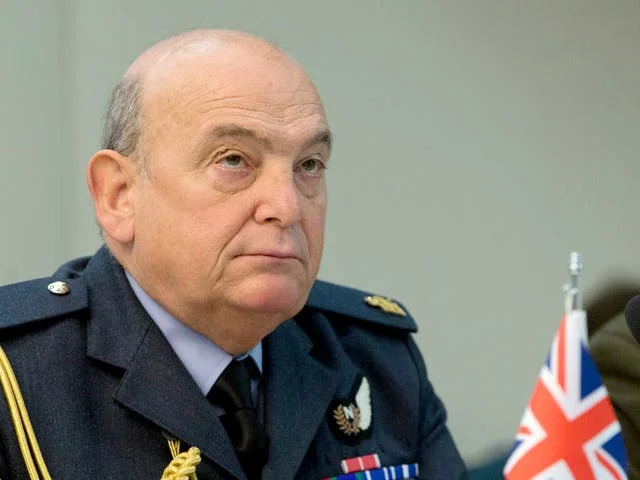
(2 years ago)Britain absolutely supports normalisation of relations between Kosovo and Serbia. So said British envoy for the Western Balkans Stuart Peach, in an interview for the Croatian news agency “Hina”. Peach in this conversation condemned the organisation of the armed terrorist attack in Zvecan Banjska, in which armed Serb citizens attacked [...]
Britain absolutely supports normalisation of relations between Kosovo and Serbia.
So said British envoy for the Western Balkans Stuart Peach, in an interview for the Croatian news agency “Hina”.
Peach in this conversation condemned the organisation of the armed terrorist attack in Zvecan Banjska, in which armed Serb citizens attacked Kosovo police.
The British called it a serious “incident” and stressed that Kosovo authorities are co-operating fully in the investigation, “, which has highlighted even during talks in Brussels”.
He added that the amount of weapons found could be destabilising for Kosovo, for this reason he praised the professional and co-ordinated actions of the Kosovo Police.
The normalisation between Pristina and Belgrade will benefit all citizens of the two countries, but the wider region, including Croatia, and Kosovo's future is that of a multiethnic republic”, Peach said.
He has called on Serbia to impose sanctions against Russia, as it is the last country in the Western Balkans to have failed to do so, and to investigate possible irregularities in elections held in December to maintain the integrity of the election process.
Meanwhile, he also said that Republika Srpska cannot be independent.
Russia must not destabilise Balkans
Peach stressed that today, due to changing geopolitical circumstances and new conflicts, it is the most important “than before” not to increase new risks in the Western Balkans area and not allow those who want to destabilise the area, such as. Like Russia, succeed.
Nowadays, “should be more vigilant than ever, said the British, who sees the risk of stability on false news and the theories of conspiracy, because citizens start creating “attitudes that do not rely on facts”.