7 minutes ago
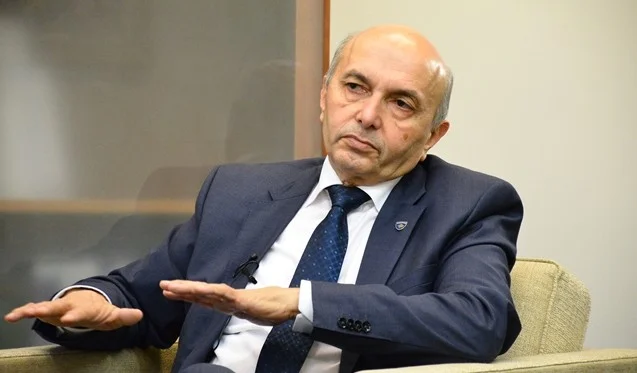
Isa Mustafa: Kurti government met no criteria for visa liberalisation
Periskopi(2 years ago)
(2 years ago)Kosovo citizens, on 1 January this year, rejoiced at the fact that they could finally move freely and without visas throughout the Schengen area. This process had started many years earlier, expecting and forwarding many governments. Many European officials had even said long ago that Kosovo had [...]
Kosovo citizens, on 1 January this year, rejoiced at the fact that they could finally move freely and without visas throughout the Schengen area.
This process had started many years earlier, expecting and forwarding many governments. Many European officials had even said long ago that Kosovo had fulfilled the 95 conditions for visa liberalisation, calling on the EU executive bodies to make a decision for lifting visas for Kosovo citizens.
And finally, the current government Kurti won “.
But, with that, a former counterpart of the current prime minister is not being reconciled.
Isa Mustafa said none of the criteria set by the EU for liberalisation has met the government Kurti.
According to him, “from the 95 conditions Kosovo had, 93 were fulfilled in 2016 and the last two, formally in 2018”.
The visa liberalisation is not an act, to adopt merits from anyone. It is a process initiated by the Government of Kosovo in 2009 negotiated with the European Commission in June 2012, when Kosovo was introduced the Guide for Liberalisation that defined a broad list of criteria (comparations, standards) - reforms from reintegration, re-admission, document security, border management, migration, asylum, the fight against crime and corruption, freedom of movement to demarcation of the border with Montenegro and Montenegro<1>.
“The European Commission in the dt report. July 18th 2018 had declared that Kosovo has fulfilled all criteria for liberalisation. The report also explains that the Commission, after 4 progress reports, had proposed visa removal for Kosovo citizens on May 4th 2016. The proposal was based on consensus that by the time it is approved by Parliament and the Council of Europe, Kosovo would have ratified the border demarcation agreement with Montenegro and would have strengthened its history in fighting crime and corruption”, Mustafa said in a Facebook post.
He further pointed to a meeting in the prime minister's quality with then European Commission Chairman Jean-Claudie Juncker in Brussels on April 27, 2016.
“Mu said Kosovo, according to EC estimates, had fulfilled 93 of the 95 criteria set for visa liberalisation. In meeting these 93 criteria, the largest job was done by the interior ministries, the ministries of foreign affairs, European integrations, those of local government management and municipalities”, Mustafa says.
Furthermore, the former prime minister says that at meetings with EU representatives, Frederica Mogerin and EC commissionors in New York in September 2016, “mu confirmed that the EU will start visa liberalisation before the end of 2016 if Kosovo ratifys the demarcation agreement with Montenegro”.
But it says it was told that “this condition cannot be guaranteed for later, because elections in the European Parliament begin and can change the will and report of forces in EU institutions”.
Furthermore, Isa Mustafa says the then opposition opposed demarcation with Montenegro “, inventing that Kosovo is losing 8,200 hectares”.
However, he says the demarcation was voted in March 2018, “the lies were swallowed, but Kosovo citizens had to wait another 7 years before the embassies, waste time and spend before”.
“For this delay cannot only blame Vetevendosje, there were other opposition parties (AAK, NISMA) that rejected, as well as a number of LDK deputies ( VV within the LDK and one of the PDK. These calculators of the vote, Kosovo didn't return any hectare from their sermons, but citizens poured out their pockets, while lies and frauds sold them and kept selling them to the free market of popularism. Visa liberalisation in 2016 would have other political significance, while the benefits of the state and citizens would be enormous. But much better than staying in the ghetto”, former Prime Minister Isa Mustafa concluded.