11 minutes ago
Dinar: Calls on Kosovo to postpone implementation of decision
Periskopi(2 years ago)
(2 years ago)The European Union has urged Kosovo to extend the deadline for implementing the Kosovo Central Bank decision, which envisions only euro currency being used in cash operations. EU spokesman Peter Stano said that the parties should resolve this issue under the dialogue mediated by Brussels. Push [...]
Kosovo Central Bank Governor Ahmet Ismaili has said on Monday that the new BQK regulation does not prohibit or restrict access to euro currency bank accounts to licensed banks, nor limits the exchange of any currency being carried out by bank financial institutions, or non-banks licensed by it.
Therefore, all citizens who already have a bank account in the euro, in any bank licensed in Kosovo, can use the same to accept the means from any state”, he said.
The BQK announced that Ismaili made these comments during a meeting with US Ambassador to Pristina Jeff Hovenier.
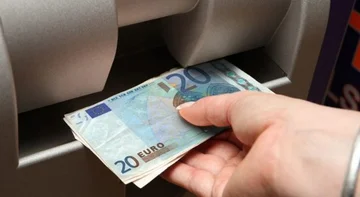
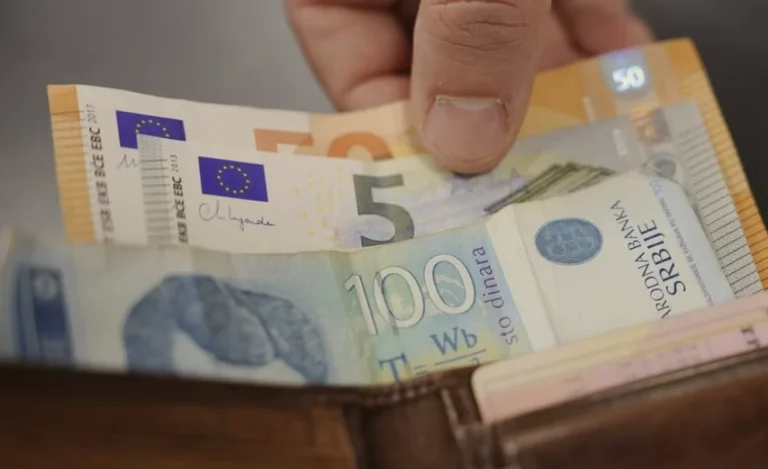
The new regulation of the CEC, issued weeks ago, requires that all cash transactions anywhere in Kosovo be made with euros starting on February 1st, ending the use of the Serbian dinar in the country.
The American Ambassador of Pristina, Jeff Hovenier, has asked Kosovo Central Bank Governor Ahmet Ismaili to postpone implementing the decision on using only euro currency in terms of cash operations.
“We call for the implementation of this regulation to be postponed, so that it can give time for more effective transition and communication with the public to ease the negative impact on citizens”, Saveer wrote on X, formerly known as Twitter.
Ismaili stressed that only in four northern municipalities, inhabited by Serb majority, four branches operate
Banking, three micro-financial (concilative) institutions, as well as 15 non-bank financial institutions for payment and exchange.
The number of branches and financial institutions operating in that area is on the rise, as financial involvement is the BEC's target”, says the report.
Hovnier urges BEC governor to postpone implementation of the dinar decision
The American Ambassador of Pristina, Jeff Hovenier, has asked Kosovo Central Bank Governor Ahmet Ismaili to postpone implementing the decision on using only euro currency in terms of cash operations.
The same claim the United States made days ago.
The regulation adopted by the CEC, since Serbs in Kosovo, is seen as a decision that will prevent them from using the dinar, is intended to enter into force on February 1st.
“Today I held a productive meeting with Kosovo Central Bank Governor Ahmet Ismaili. I reiterated US concerns over implementation of the regulation approved for cash operations. We call for the implementation of this regulation to be postponed so that it can give time for more effective transition and communication with the public to ease the negative impact on citizens”, Saveer wrote on X, formerly known as Twitter.
Vuciqi meets Lajcak in Belgrade, urges annulment of BEC's decision on the dinar
Serbia's President Aleksandar Vuciq has on Monday called for the annulment of the Kosovo Central Bank decision (BQK) to ban the use of the Serbian dinar for cash payments in Kosovo.
His request came during a meeting with special envoy for Kosovo-Serbia dialogue Miroslav Lajcak in Belgrade.
Vuciq said he had a “constructive and very useful appointment” with Lajcak.
“I stressed the necessity for establishing the Association of Serb majority municipalities for holding local elections in northern Kosovo urgently, and requested support from the European Union for stopping further provocations coming from Pristina”, Vuciq wrote in his profile in Instagram, after meeting with Lajcak.
From the Kosovo government kside argued that BEC decision is in line with Kosovo Constitution, but QUINT has said that this decision “gre concerns about the impact in particular on Serb majority communities”.
In Kosovo, in all Serb majority settlements, the population uses the Serbian dinar to carry out payments, and those working in Serbian institutions in Kosovo also receive their salaries with dinars.
The pensions are also paid with dinars, according to the Serbian system, as well as additions for children and social aid.
In commercial objects, the dinar is used in areas where Serbs live in Kosovo, except for the euro.