12 minutes ago
45 civilians slaughtered: No sentence for Recak
Periskopi(2 years ago)
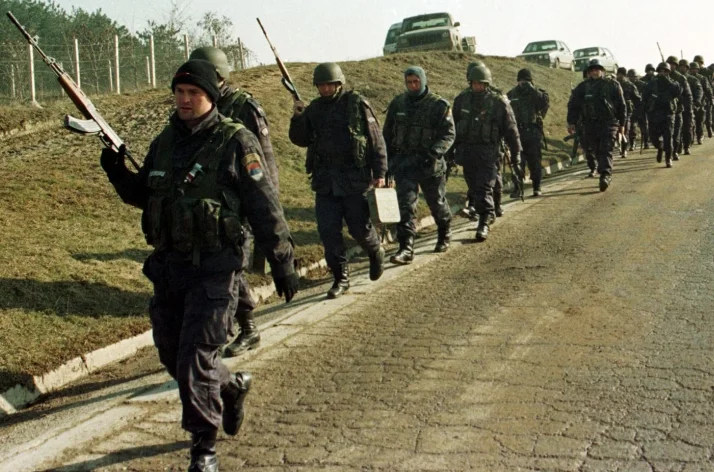
(2 years ago)Over two decades have passed since the massacre in the village of Recak of Shtime, but in this case no one has been directly convicted, writes REL. The killing of 45 Albanian civilians on January 15, 1999, was part of the International Criminal Tribunal for the former Yugoslavia's indictment of Slobodan Milosevic, Milan Milutinovich, Nikola Shainovich, Dragolub Ojdanic [...]
More than two decades have passed since the massacre occurred in the village of Recak of Shtime, but in this case no one has been directly convicted. writes REL.
The killing of 45 Albanian civilians on January 15th, 1999, was part of the International Criminal Tribunal for the former Yugoslavia's indictment of Slobodan Milosevic, Milan Milutinovich, Nikola Shainovich, Dragolub Ojdanic and Vlajko Stojilkoviki.
The court accused these people of killing hundreds of Albanian civilians in Kosovo, while specifically referring to the killing of at least 45 Albanian civilians in the village of Recak.
On January 15th, 1999, or about this date, in the early hours of the morning, the village of Recak, the Black Community, was attacked by forces from the Federal Republic of Yugoslavia (RFJ) and Serbia. Following promotions by Yugoslav Army units, Serbian police entered the village in the morning and began conducting house-to-house searches. Villagers, who tried to flee Serbian police, were shot across the village. A group of about 25 men tried to hide in a building, but were discovered by Serbian police. They were beaten and then taken to a nearby hill, where police shot and killed them. In total, RFJ and Serbian forces killed approximately 45 Kosovo Albanians in and around Recak, the indictment said.
Former president of Serbia and Yugoslavia Slobodan Milosevic, during the trial at The Hague, invited dozens of witnesses to testify that the massacre that took place in Recak “was fabricated” and that the “killed, all were members of the Kosovo Liberation Army” and that they were killed in exchange for fire with Serbian forces.
Milosevic died shortly before The Hague tribunal made its decision on the charges it was charged with.
Among other things, he was accused of crimes against humanity and violations of the laws and customs of war.
On February 26th, 2009, the conviction for former Serbia President Milan Milutinovic was pronounced. He was acquitted of all charges.
The court is not convinced beyond the reasonable suspicion that Milan Milutinovic has made significant contributions to the joint criminal enterprise, Judge of The Hague Iain Bonom said.
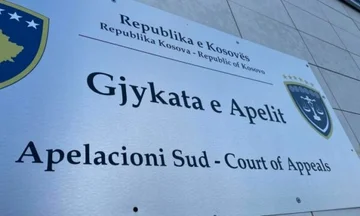
Former Yugoslav Deputy Prime Minister Nikola Shainovic, former Yugoslav Army General Nebojsa Pavkoviq, and former Serbian police chief Sreten Luq were each sentenced to 22 years in prison for crimes against humanity and violations of the laws or customs of war.
Former Yugoslav Army General Vedomir Lazarevich and former Army Chief of General Staff Dragolub Ojdanic were convicted of participating in the deportation and forced transfer of ethnic Albanians from Kosovo and sentenced to 15 years in prison.
However, they were not convicted of direct responsibility in killing 45 Albanian civilians in the village of Recak.
Nevenka Tromp, legalising Studies for Eastern Europe at the University of Amsterdam in the Netherlands, as well as Hague Tribunal for War Crimes in the former Yugoslavia, said in an interview for Radio Free Europe that Recak was removed from the case against Milutinovic and others because the massacre there had occurred before the war situation was declared and before the international armed conflict began.
This conflict began on March 24th, 1999, on the day NATO began shelling over the limits of the Serbian Army, aimed at halting violence in Kosovo.
The responsibility in connection with the Recak massacre is cited in The Hague tribunal's condemnatory decision to Serbian police general Vlastimir Djordjevic, who was convicted of all points of indictment: violent expulsion of Kosovo Albanians, violent shift, murder, transfer of Albanians killed by Kosovo to Serbia, racial persecution of Kosovo Albanians and violation of the laws and customs of war.
The Hague tribunal documents reportedly played a leading role in Serbia's Ministry of Internal Affairs efforts to conceal the killings of 45 civilians in Recak in January 1999.