12 minutes ago
How do traumatic events affect children?
Periskopi(3 years ago)
(3 years ago)Child trauma is classified as a specific negative event, a series of events, or experiences that cause emotional pain, and exceed the child's ability to cope. Traumas of this type in children are popular and can take many forms. Children's most common causes of trauma: Abuse and neglect domestic violence violence [...]
Child trauma is classified as a specific negative event, a series of events, or experiences that cause emotional pain, and exceed the child's ability to cope. Traumas of this type in children are popular and can take many forms.
Children's most common causes of trauma:
Abuse and Neglect
Violence in the Family
Violence at School
Accidents and Life - Threatening Hurts
Scary or painful medical procedures
Serious Mental Diseases Untreated to Parent
Loss or separation from one parent or another loved one
Natural or Man - Made Disasters
War or Terrorist Attack
Forced Move From Place to Place
Discrimination
Extreme Poverty
Traumatic exposure often begins early in life. Children from an early age are exposed to greater danger and are more vulnerable in view of its negative effects. Half of all children in the United States are thought to have been exposed to at least one type of trauma before the age of 8. For example, child abuse and neglect (the lack of attention/dedicatement) is more common among children under 3.
Children under five are more likely to be hurt by the decline, drowning, and poisoning, which in fact happens to most children who are exposed to domestic violence.
The childhood trauma is closely related to mental and physical health problems that later manifest themselves throughout life. Trauma negatively affects brain development, cognitive development, learning, social-emotional development, the ability to develop secure relationships with others and, of course, physical health. It is also associated with a shorter life expectancy. A considerable number of research shows that children suffer the worst, longer, and harmful effects when exposure to trauma begins early in life.
Trauma has many forms and if it's heavy and it involves damage done by parent or guardian, then it's complex trauma.
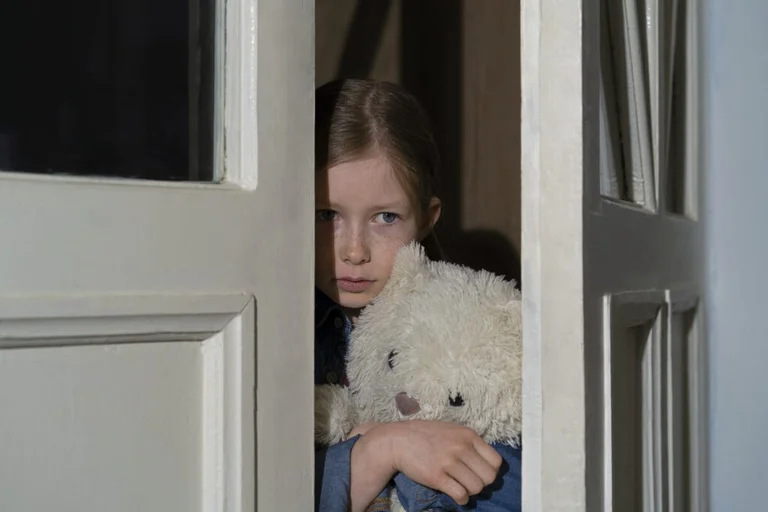
The trauma experienced in childhood is more likely to lead to post-traumatic stress disorder than trauma experienced in adulthood. Children who are exposed to certain forms of trauma are more likely to develop post-traumatic stress disorder (e.g., anxiety, depression, anger, aggression, marginalization) than those children who are chronically exposed to a type of trauma. Children and young people with post-traumatic stress disorders can relive the traumatic event through forced memories, nightmares and retrospectives. It is necessary to avoid situations or people who remind them of the trauma and cause them a strong anxiety that causes disorder in their daily lives.
Moreover, such individuals may be involved in aggressive, self-destructive or reckless behavior. They may have sleep problems - staying in a state of hypervigile, an excessive state of inactivity toward the environment.
Many children show concern immediately after the traumatic event, but after the event most return to their previous level of operation.
The child's traumatic reactions vary according to the nature of trauma, then the child's individual, family and social characteristics. Of course, the overall balance of danger and protection factors in their lives play a major role. Their age and development are also dependent on their age and stage.
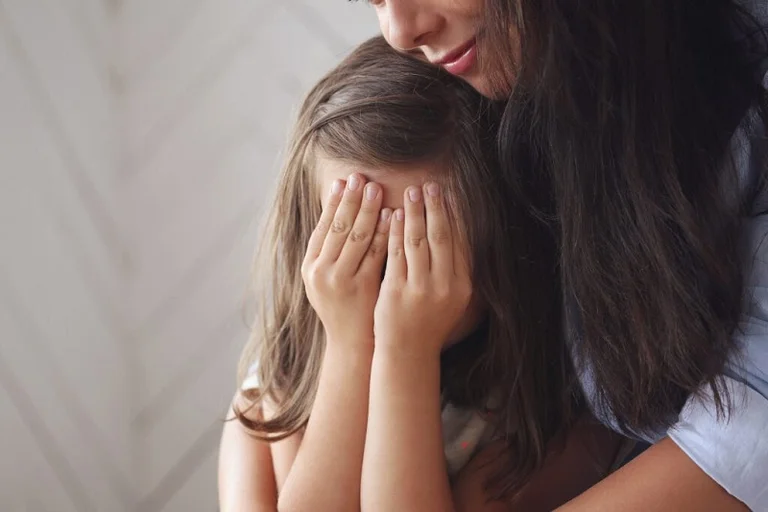
Little kids who experience trauma can manifest them by:
difficulties creating proximity and bonding with parent/parent, peers
Too much fear of strangers or anxiety over separation
Food and Sleep Problems
can be particularly selective.
School - age children who experience trauma may be:
Display Aggressive Conduct
Remote
Take care of others
Express traumatic events through game
Have frequent anxieties
They have difficulty focusing on school.
Our medical staff in your psych and psychology department are at your disposal for consulting and handling all your problems. Make booking at 00389 2 3091 484
* The sponsored art!