11 minutes ago
Will Supermarkets be forced to donate food?
Periskopi(3 years ago)
(3 years ago)Millions of tons of food often in perfect use end up in waste every year in Europe. The Brussels region aims to force supermarkets to donate expired food. Jeannie Weyekmans and other volunteers share food for 150 families. Weyekmans runs a food store in Brussels' Leken district. They distribute food [...]
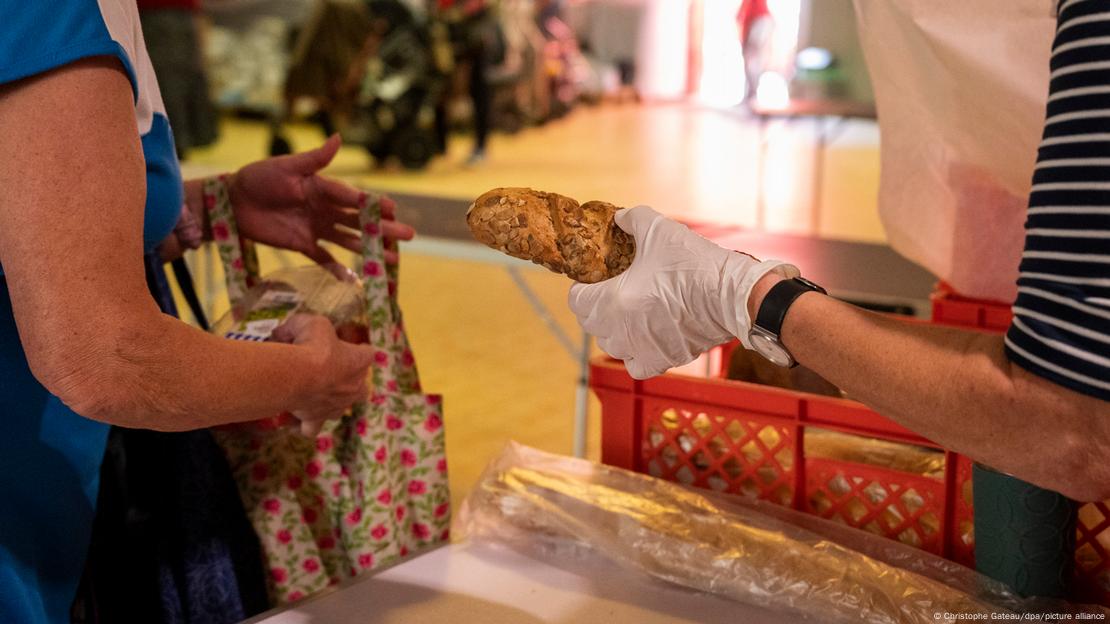
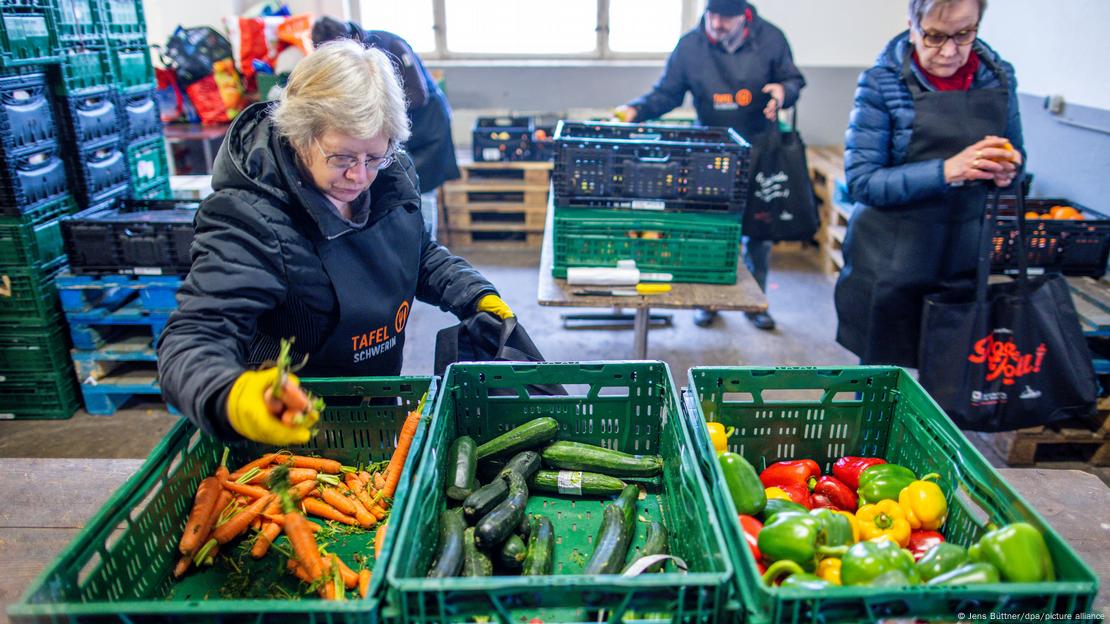
Jeannie Weyekmans and other volunteers share food for 150 families. Weyekmans runs a food store in Brussels' Leken district. They distribute food to the Protestant church there on Thursday. Here come people who have nowhere to go and where to eat.
Handcars and baskets are quickly filled with food. But the choice of food is limited in this country there are foods donated by local supermarkets.
Some have expired, but they can still be used without any problem. Other products, such as oil and flour, have an EU flag in packing, which means they are paid by a European Union project.
Empty row and basket full
Jeannene Weyekmans tells us that here come people who live with social assistance, people with debts, or immigrants who still have no arranged letters and cannot work. She says they control who comes to prevent abuse but they don't send anyone home empty-handed.
Some people who come here live only with what we give them, from Thursday to Thursday,” adds Jeanne Weyekmans.
Its food plant is one of 140 in the Belgian capital region. The main food plant there distributes about five million pounds [5 million kg] of food each year for nonprofit organizations. It's an incredibly difficult to obtain enough donations. According to Eurostat estimates, about ten percent of food from supermarket shelves ends up in garbage. In 2020, 59 million tons of food have been completed in the garbage. At the same time, 32.6 million people in the European Union do not have a hot quality meal every two days.
Bad „
Alan Maron, minister for Social Affairs in the Brussels region, says that only in the Belgian capital region, 70,000 people depend on food donations.
Starting next year, Maron wants to force all supermarkets with an area of sale of more than 1,000 square metres to donate food that cannot be sold on time. The proposal for such a law was passed on to the first reading, but is still pending final approval.
“is a bad idea with good intentions,” says Hans Cardin, spokesman for the Belgian Association of retail networks. As he puts it, supermarkets already donate greatly, while the obligation to donate would affect prices. Because now food before the expiration deadline is offered to consumers at a lower price.
Multicolored Rules in Europe
Belgium would not be the first country in which the food donation would be imposed. The European Federation of Food Banks (FEBA), which represents 351 food banks in 30 countries, has very different experiences.
Countries such as France and the Czech Republic force supermarkets to sign agreements with organisations collecting food for donations.
According to Angela Frigo, general secretary of FEBA, countries such as Italy and Moldova offer tax reliefs and reduce bureaucracy to encourage shops to donate food.
Finally, countries such as the Netherlands and Hungary prefer voluntary donations. However, Spain may soon regulate food waste. But FEBA doesn't have a clear answer to the DW question if the remaining food donation laws increase the amount of donations. Such laws, they say, increase and reduce the amount of donated food.
The main difference is a much stronger <x0focus in the food donation issue and a deeper dialogue between all parties involved”, according to FEBA.
Do we have more than we can eat?
Paul Milburn, a social geographer at Cardiff University, tells DW that every little thing helps. But the main question, why is there so much food?
Milburn believes that supermarkets have more food than can ever be sold. So it turns out that we're madly producing surpluses that will then end up in garbage. But they are not just supermarkets. The European Commission says more than half the food in the trash comes from private families.
The commission wants to limit the amount of these waste until 2030. According to various regulations, the amount of food waste should be reduced by 10 percent, as well as by 30 percent for sale and household. Proposals still need to be reviewed by the European Parliament and member states.
It is problematic to feed people with serious social status on foods that would otherwise go to trash, says Milburn. He feels that there are far better ways to keep everyone full, without having to go to the warehouses for expired foods, because these countries are often accompanied by social stigma. / DW