26 minutes ago
Kosovo recruits Asian workers
Periskopi(3 years ago)
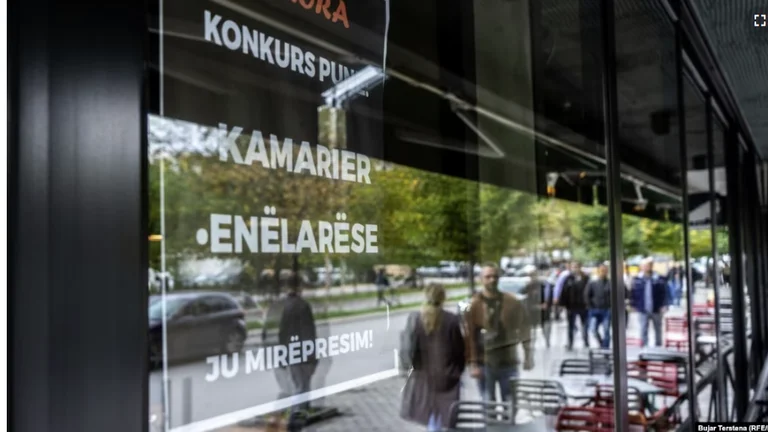
(3 years ago)Bangladesh, Nepal, India and Turkey are the states from which some Kosovo companies have turned to labour power. The reason? There is a shortage of local workers. H.T., from a construction company in Malisevo municipality in the south of Kosovo, says about Radio Free Europe that two months ago they have taken some [...]
The reason? There is a shortage of local workers.
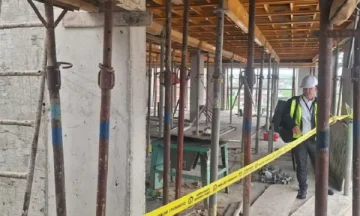
H.T., from a construction company in Malisevo municipality in the south of Kosovo, says about Radio Free Europe that it has been two months since they've hired several workers from Bangladesh, a state in South Asia.
We have 13-14 employees from Bangladesh. We got them two months ago. They do construction jobs, they're physical workers. They're gradually being taught, they're not professionals in this area, but they're learning”, he says, not wanting to specify more.
The number of workers in this company is over 60, and the need for more workers is on the rise, say leaders of this company.
REL has contacted several other companies that have taken workers from these Asian countries, but many have hesitated to speak publicly.
That the number of foreign workers in Kosovo has increased in recent months is testified to by the Interior Ministry's data. In the January-June period of this year, 1,858 requirements for residence permits in Kosovo have been made for work purposes by foreign citizens. Meanwhile, 1,391 have won temporary residence permits.
In these requirements, with the largest number leading citizens from Turkey and Bangladesh.
In the same period last year, the number of people who have obtained temporary permission to stay with work purposes was 1,317.
But workers who come to Kosovo from Asian states are not qualified and hard to adapt to circumstances in Kosovo.
So says Ramiz Ismajli, who works in a company that recruits workers from third states.
“in the field of construction, [Foreign workers] are not stable. Sometimes they lie about their work experience. When they come to Kosovo to work, it turns out that even 30 percent of what they've presented at the [result] CV do not possess. They are not workers like us Kosovars, who go and work in Germany. We learn quickly, those coming from these places are not. Then, they don't speak foreign languages, like English, and it's difficult to communicate”, says Ishmael for Radio Free Europe.
It shows there are many demands from Kosovo's various profile companies for recruiting workers from Asian states, but there are some administrative procedures that present difficulties.
There are some companies I've given you the contact and CVs of some workers from Asian countries, but how much do they get? There are many administrative procedures”, Ishmael says.
Lack of Local Workers
Despite the unemployment rate of over 16 percent, Kosovo has been facing a lack of workers of various profiles for years.
Gastronomia, construction, agriculture and textile are the sectors with the largest shortage of workers in Kosovo.
Kosovo's citizens' interest in working, especially in the private sector, has declined for several reasons.
According to the Labour Inspectorate, these reasons relate to long working hours, low wages, lack of contract, weekend work, no extra hours, and more.
Another reason that has led to crisis for workers in Kosovo is the migration of citizens.
The Kosovo Statistics Agency records over 42,000 citizens removed from Kosovo in 2021, for various reasons, among them for work purposes as well.
Rafuna: Workers for short term
In the Kosovo Economics Age (OEK) say there are dozens of companies that have already employed workers from other countries, mainly Asians, and just as many companies are looking for the workforce from abroad.
The sectors with mostly workers from Asian countries are the construction and gastronomy sectors.
The external workforce requirement is on the rise. The workforce is coming to us from Bangladesh, Turkey, Nepal and other countries”, OEK leader Lulzim Rafuna tells Radio Free Europe.
However, Rafuna says Kosovo is failing to fight lack of labour with the seizure of workers from other countries.
According to him, local companies are reporting that the labour force coming from Asian countries is unqualified and is hardly being accommodated with working circumstances in Kosovo.
According to Rafuna, from information received by companies, most of these workers do not have the final goal of the labour market in Kosovo.
Part of them, he says, remain in Kosovo only until they find an opportunity to go to the states of the European Union. According to the head of OEK, this is causing companies not to support their activity in this working force over the medium and long term.
“Workers who come from third countries link labour contracts with salaries and the conditions the company offers also based on related legislation, such as the Work Law”, he says.
The biggest employer in Kosovo is the private sector, with more than 300 thousand employed.
The average gross salary in the private sector is 473 euros.
Rafuna says institutions must make efforts to build policies to prevent the large escape of the workforce, as economic losses will be great.
We should be aiming to stop immigration. If we cannot stop, bring it to the minimum possible by offering an adequate educational system, an efficient rule of law system, a good health system, and by creating legal and economic security for young people”, Rafuna says.
A survey by the International Republic Institute, headquartered in the United States, published in November 2021, has shown that 78 percent of Kosovars between the ages of 18 and 35 “probably” or “would eventually leave their country if they could.
What does the law say about foreign workers?
Employment of foreign citizens in Kosovo is regulated by the Law for Foreigners.
Under this law, physics persons, who are not citizens of Kosovo, when wanting to work on Kosovo territory must be equipped with work permits.
For job permits, the foreign citizen must collect a series of documents among them: the employment contract, the evidence that is not condemned, the testimony for his education and qualifications, health insurance and so on.
Their meeting and proceeding often take months at a time.
The permit for temporary work purposes is issued for 6 months to 1 year.
After this period, this permit is renewed and permanent residence permit can be obtained.
Albania and Northern Macedonia are also facing a lack of labour force. / REL