18 minutes ago
Compensation missing for death at work: Owners do not compensate victims' families
Periskopi(3 years ago)
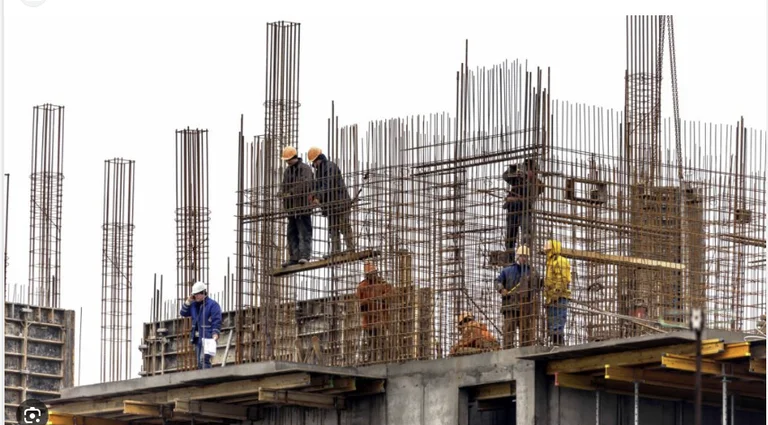
(3 years ago)Reports of the deaths of workers at their workplaces, Milaim Ibrics, retort the scenes and moments when he learned of the loss of his brother, Cameron. Cameron Ibric, 44, from the village of Komoran, the municipality of Drenas, lost his life at his workplace in April of this year. He left his wife behind and [...]
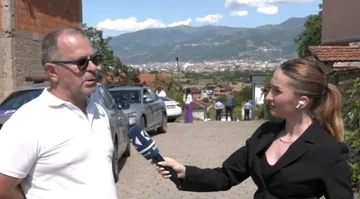
Reports of the deaths of workers at their workplaces, Milaim Ibrics, retort the scenes and moments when he learned of the loss of his brother, Cameron.
Cameron Ibric, 44, from the village of Komoran, the municipality of Drenas, lost his life at his workplace in April of this year. He left behind his wife and two children.
Milaim Ibric also recalls conversations with his brother about working conditions.
The memory worked at a private company in the construction sector.
And the work boots, in some cases, have bought them with their own money. The company has offered no conditions, no hats, no seat belts. Nothing. But difficult [economic] conditions had forced him to work to ensure the existence of the” family, says Milaim Ibriqi for Radio Free Europe.
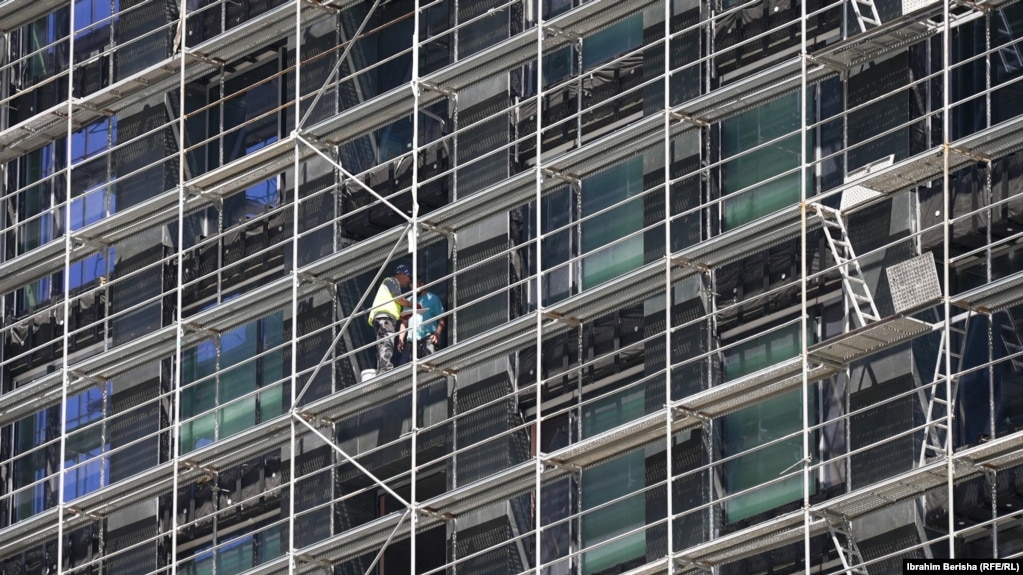
The loss of memory cannot be compensated, says his brother. But, he adds, a financial compensation from the company where memory has worked would at some time ease his family's social situation, as the memory woman is unemployed and two children are minor.
Since the death of Cameron, Milami has stopped working because he too worked in the construction sector.
“For the funeral ceremony we've got a lot of the means needed to cover expenses for that day. Not a penny. Now the subject has gone to court. When they call us, we'll go and see what's going to be decided”, he tells us.
According to the Labour Inspectorate, during this year alone, 12 people have died at home. A year ago, that number was 14.
“From this number, five cases from the Inspectorate have been named death as a direct result of the exercise of work activity and seven other cases do not relate to the exercise of work”, reportedly in response to the Labour Inspectorate sent to Free Radio Europe.
But the official figures for the deaths of people in their workplace differ from data from the Independent Private Sector Union.
The leader of this union, Yusuf Azemi, says that during this year alone, 17 people have lost their lives at home.
He says these cases of death should be alarm of action for Kosovo institutions. According to Azem, controls in the construction sector should be increased so that the safety measures for the workers' safety can be improved.
Last year, the Labour Inspectorate conducted 6,316 inspections. According to this institution's annual report, cases of accidents in workplaces have been addressed above this period. According to this report, 394 accidents occurred in Kosovo in 2022, of which 15 have ended with fatality.
Owners do not compensate victims' families
Azem from the Independent Private Sector Union expressed criticism, as following cases that end with fatality, private companies and even institutions do not compensate for the victims' families.
“So far, the Government of Kosovo and the Labour Inspectorate have done nothing. And what is worse, everywhere, in such cases governments have their own funds for financial support until it proves to be the sole owner of the company or anyone else. But, the moment the workers die, their families remain without any financial and legal support”, he tells Radio Free Europe.

Even the annual report by the ombudsman institution says that the number of workplace accidents that have ended with fatality remains high and quite disturbing.
“In the event of the worker's death”, says the report, “family does not enjoy any necessary compensation” that is defined under legislation that is in effect in the field of security and health at work.
The only way for the realisation of financial benefits in these cases remains the civil court procedure, which takes a lot of time to the victims' families, may and financial costs.
Job safety in a legislative way in Kosovo is regulated by two laws in force -- with the Labour Law and with the Law for Work Security, the protection of employee health and the working environment.
Sentences for employers due to lack of security in working environments and job deaths, according to these laws, range from 100 to 35,000 euros.
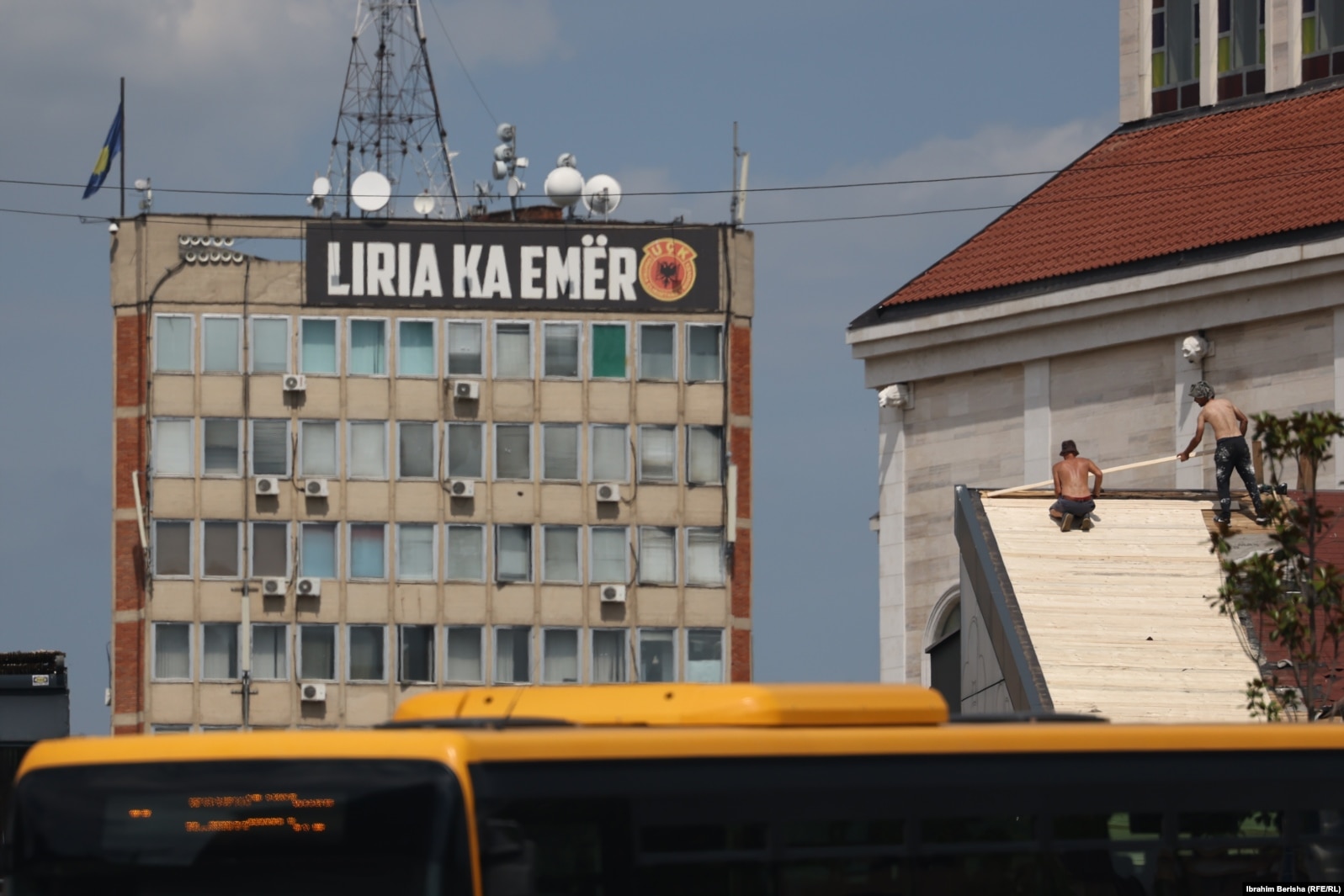
The private sector in Kosovo accounts for the biggest employer. The number of employees is estimated to be over 220,000. The average salary, according to data last year, has been around 480 euros.
Workers in the private sector have repeatedly complained of disrespecting their rights.
Even in the Ombudsman's annual report, it is found that in the public sector, and especially in the private sector, there are various violations of the right from the working relationship, including discrimination, such as violations of employment procedures, cutting off the working relationship illegally, and violations related to the length of working hours, compensation for overtime, denial of the right to annual rest, and a respite of lehonia and non-reformity of law in wages. / REL