18 minutes ago
caplan: Kosovo has keys to escalation situation in the north
Periskopi(3 years ago)
(3 years ago)The international community sees mainly the Kosovo side responsible for tensions created in Kosovo's north. In fact, Prime Minister Albin Kurti's insistence that young Albanian leaders exercise their duties from municipal objects has prompted the EU and the US to impose punitive measures on the government he leads. But Brussels and Washington do not [...]
In fact, Prime Minister Albin Kurti's insistence that young Albanian leaders exercise their duties from municipal objects has prompted the EU and the US to impose punitive measures on the government he leads.
But, Brussels and Washington have not done the same with Serbia. The latter was only reproved for tensions in the northern part of Kosovo.
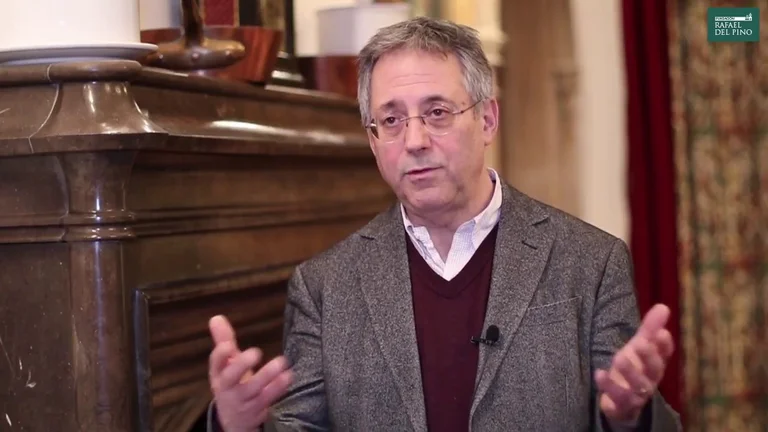
Well, there's an explanation for this, Professor from Oxford University, Richard Caplane.
The “EU and US measures may seem unbalannized. There is no doubt that they are more punitive for Kosovo than for Serbia, but it is important to assess that the EU and the US have not singled out Pristina as the only responsibility for the current crisis. Belgrade has also been criticised for boosting tensions. However, if Pristina is being treated more severely, it is partly because it is thought that it holds the keys to de-progressing tensions in the north”, the Capaplan estimated, to 1.
The charter sees another danger that Kosovo could come as a consequence of the founding of the Serb majority communities' Association.
“If the EU-mediated dialogue between Kosovo and Serbia is unbalanced is a much larger issue. The focus, however, has been on Kurt's refusal to agree to implement the provision of the Brussels Agreement on the establishment of the Serbian Majority Commission Association. However, it is important to keep in mind that there are some provisions of the agreement Serbia, in turn, has not implemented. Furthermore, as Serbia continues to support parallel structures in Kosovo, there is the danger that association will become another instrument of Belgrade's excessive influence in Kosovo”, Caplane said.
Recently, the United States Ambassador to Kosovo, Jeffrey Havenier, has reiterated once again requirements for the full deceleration of the situation in northern Kosovo and implementation of the Ohrid Agreement.