29 minutes ago
Belgrade renews illegals in Kosovo, move considered violation of Brussels agreement
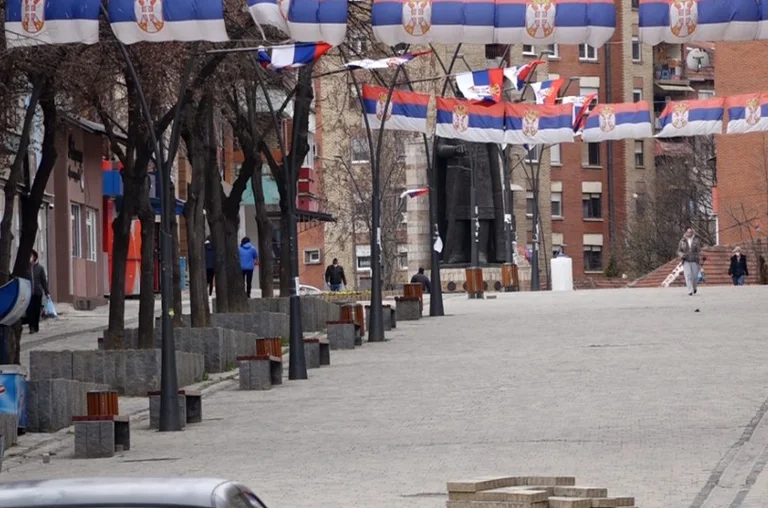
Periskopi(3 years ago)
(3 years ago)Serbia's government has renewed so-called temporary organs in Kosovo municipalities, including northern ones, in which new elections have been warned after summer. The Serbian government's move has been rejected in Pristina, calling it a flagrant violation of the Brussels agreement. Serbia has gone in the opposite direction with [...]
Serbia has gone in the opposite direction with what it agreed on at the recent meetings in Brussels, in the context of extending the situation to the north.
Until Kosovo agreed that after summer in the north there will be another election process to pave the way for the return of Serbs to local institutions, official Belgrade has renewed illegal structures.
Serbia's prime minister, Anna Brnabyq, has named the new carriers of so-called municipal authorities.
In addition to municipalities south of Ibri, Dalibor Milunovic has been appointed to the head of the northern-most municipality of Leposaviqi.
The appointment of officials to illegal organs has also been made in Cline, Fushe Kosovo and Podujevo.
In this regard, Blerim Vela, presidential adviser Vjosa Osmani, has reacted, naming companies contrary to Brussels' agreements.
Serbia's last “Movement: The appointment of officials to the illegal municipal bodies in Cline, Fushe Kosovo, Podujevo and Leposaviq. This is a flagrant violation and contempt of the Brussels Agreement and the sovereignty of Kosovo is an example of the institutional aggression applied only by Russia to Ukraine”, Vela has written.
Following the consent promoted by the EU emissary, Miroslav Lajcak, official Belgrade has not yet taken a stand if it will allow Serbs to participate in the elections.
The April 23rd elections were boycotted by most of them, following calls from the Serbian List.
Consequently, Albanian mayors were first elected at the head of northern municipalities, which sparked violent protests by Serbs in the north.
After a visit to the United States, Serbian List official Igor Simay said that without full withdrawal of special units, and the release of arrested Serbs, “has no basic conditions to discuss elections”.
Analyst and journalist Branislav Krstic says whether the participation of Serbs in the election is in Belgrade's will.
“President Vuciq is the one who will decide whether Serbs should participate in the new elections. But there are still pressures that we are used to seeing in the past as a consequence of Belgrade's policy, only to vote in the north on the Serbian List. Whether there will be boycotts or not depends on developments that we will have on the ground the following weeks”, he stressed.
EU officials have told “The Coha” last week that they expect unconditional Serb participation in the new elections.
After weeks of tension, the Government of Kosovo agreed to withdraw special units around municipal objects to the tune of 25 per cent, as well as start preparations for new elections after summer.