 20 minutes ago
AKK sends property tax law to Constitution tomorrow
Periskopi(3 years ago)
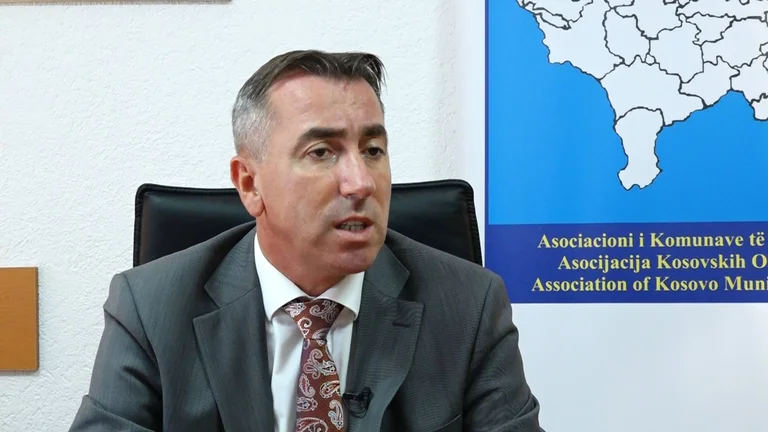
(3 years ago)The Kosovo Communist Association will send the Law on Property Tax to the Constitutional Court, and this subject will be delivered tomorrow at 11:00. That is what made it known, the director of the Association of Kosovo municipalities, Saban Ibrahimi, who said that if such an apology happens, the municipalities would be lost by [...]
That is what made it known, the director of the Association of Kosovo municipalities, Saban Ibrahimi, who said that if such an apology happens, the municipalities would have a loss of 27m euros.
Ibrahim added that, this request has been attributed to Serb-run municipalities.
Even Serb-inhabited municipalities have responded positively to this request. We have the Novweberda municipality, Shrpca, Partesh of Gracanica”, Ibrahim told Blic newspaper.
We remember that, according to an AKK report, the Ministry of Finance, Transfers and Labour (MFTP) made a decision to change the Law on Taxation in the Palujat Property, where during the ambassadorial process, the municipalities of the Republic of Kosovo did not consult at all.
“The heads of the municipalities and the Association of Kosovo municipalities (AKK) have demanded from the central level to consult on the basis of the amendment to this law because this law directly affects the budgets of the municipalities”, it is said among other things in their announcement.
The full response yesterday:
COMMU NAT DOT SERVING THE LIGHT FOR TATIM IN IN THE FOOD PROPLAY IN JUDKS DELIGION
The Ministry of Finance, Transfers and Labour (MFTP) made a decision to change the Law on Taxation to the Palujative Property, where during the ambassadorial process, the municipalities of the Republic of Kosovo did not consult at all.
The heads of the municipalities and the Association of Kosovo municipalities (AKK) have demanded from the central level to consult on the amendment of this law because it directly affects the Communist budgets.
Then, the MFTP sent for approval to the Government of the Republic of Kosovo this bill without consultation with the municipalities. The government approved it as such and prosecuted it for approval in the parliament of the Republic of Kosovo.
The AKK has also in this case called on the parliament of the Republic of Kosovo to have debate and consultations with the municipalities on this draft Law because it has to do with the financial autonomy of the municipalities and which the law has a direct impact on their budgets and around it, even on capital projects because the tax on the Property is its own introduction to the municipalities.
The Kosovo Parliament did not discuss this draft law with the municipalities, and more accelerated procedures and adopted in second reading.
In this law, Chapter II / Forgiveness of Property Tax Year 2023 Article 11B says:
Point 1. The amount of property tax forgiveness for all taxpayers is allowed up to the property tax bill in 2023, but no more than a hundred (100) euros in accordance with the provisions of this chapter.
Point 2. The decision to pardon Taxation in Property is made by the Assembly of every municipality at the most 30 days from its entry into force, according to the restriction specified in paragraph 1 of this article.
The municipalities of the Republic of Kosovo with the adoption of this law will lose tens of millions of euros, and the adoption of this law without preliminary consultation with municipalities has violated local financial autonomy.
Based on the Constitution of the Republic of Kosovo, where it says that the parties authorised to raise cases in the Court are also the municipalities, then the AKK Board takes into account that the municipality as a state institution is authorised to counter constitutionality of legal laws and acts, recommends municipalities to submit this Law to the Constitutional Court for its interpretation of the Constitutional Law.
It should be noted that this Law has seriously violated municipal responsibilities and that this law has direct impact on reducing municipal revenues, affecting capital projects and debalanising between investment projections and personal revenues, such as the main revenues of local government.












