12 minutes ago
Temperatures can make the world partially uninhabitable
Periskopi(3 years ago)
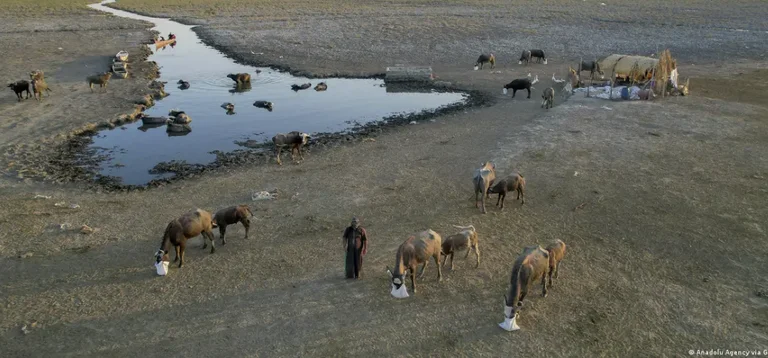
(3 years ago)The heat waves are just the beginning. A fifth of the world's population will be threatened in the future by lethal heat. How can we resist that? In the northern hemisphere weather temperatures have reached record high levels, in countries such as Greece, Italy, Spain, China, the US or Japan. Currently, news of extreme temperatures, whose balance is [...]
The heat waves are just the beginning. A fifth of the world's population will be threatened in the future by lethal heat. How can we resist that?
In the northern hemisphere weather temperatures have reached record high levels, in countries such as Greece, Italy, Spain, China, the US or Japan. Currently, news of extreme temperatures comes from many countries, whose balance is difficult to do.
According to Chinese media, in the northwest of the country, a high-heating weather has erupted and temperatures that have reached 52 degrees Celsius. On the Italian-South Island of Sicily and Sardinia, temperatures are expected to reach 48 degrees Celsius.
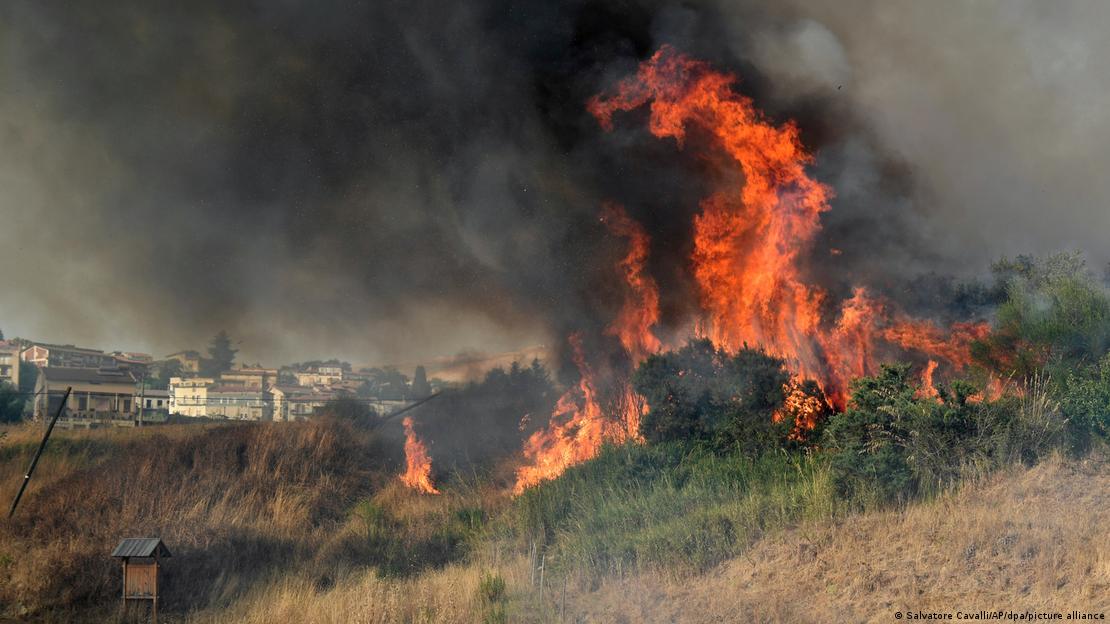
Japanese authorities have announced the state of alarm because of hot weather and have called on millions to protect themselves from the scorching heat. In the south of the United States, 80 million people are expected to be affected by the deadly hot weather. The temperatures have also increased in Europe, where it is known that last summer in many countries has been so hot that it has killed more than 60 thousand people.
Will the Earth be habitable after heating by 2.7 degrees?
A study by the journal Nature Tourism concludes that without great climate protection in less than 80 years, about 2 billion people will be endangered by extreme and deadly heat. That figure accounts for 23 per cent of the population that the world is expected to have at the time.
If climate policy remains what it is and the world goes towards warming at 2.7 degrees Celsius or more, then by 2100 countries like Qatar, Mali, or Burkina Faso will become non-inhabitable by humans.
Increasing 2.7-degree temperatures will vary from earth's “sub-banity” to create a wide-scale <x2-scale organisation of the countries in which people live,” says the lead author of the study, Tim Lenton from the British University of Exeter.
Even today, with earth's 1.1 degree heat compared with the pre - industrial period, heat waves have become more frequent, stronger, and deadly for millions of people in the world.
How much does heat damage human health?
According to the World Health Organization's data, (WHO), hot weather causes a series of diseases that can end with death, such as isolation and hypertemia. The very high - temperature weather also has a negative effect on chronic diseases and the transmission of disease, air quality, and critical infrastructure, which are the basic organisms for the existence of a society and economy.
Older people, babies, and children, pregnant women, people working abroad in nature, sportsmen, and poor people are more threatened by rising weather temperatures.
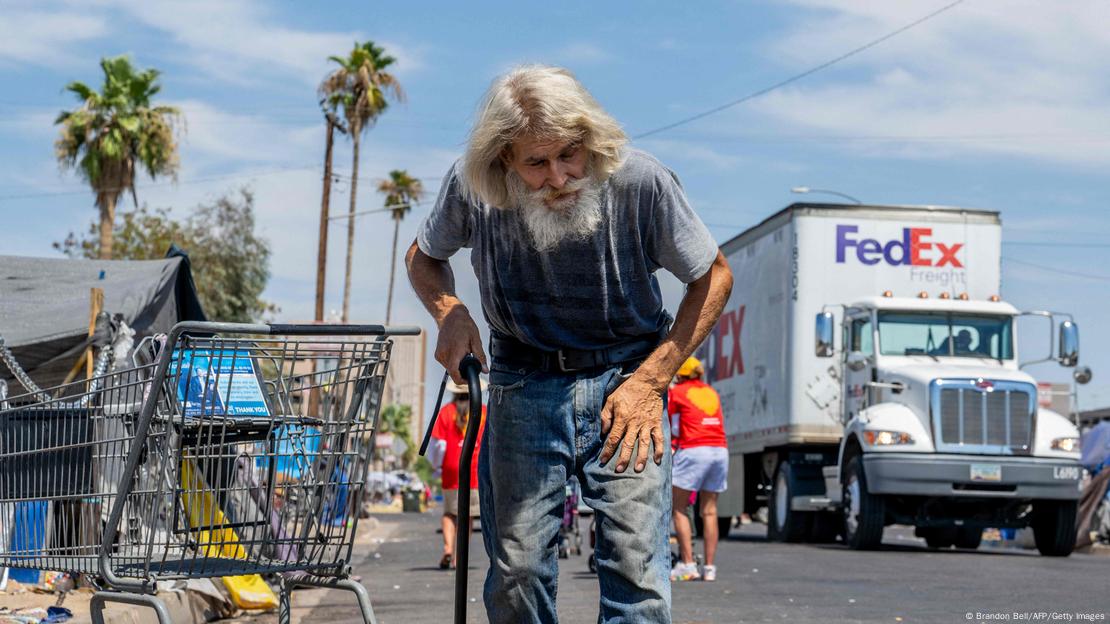
According to the study, even restrictions on climate warming according to the Paris Agreement's objective of 1.5 degrees Celsius above the pre-industrial level will leave 400 million people in heat - threatening weather, especially in India, Sudan, and Nigeria. If the world reaches a rate of 2.7 degrees, such countries as the Philippines, Pakistan, and Nigeria will be affected greatly by the effects of hot weather and its impact.
Human losses from climate change must be seen as priorities
In their study researchers and researchers have deliberately abandoned the common approach used so far to shape the effects of climate change according to economic harm rather than human damage.
This has made the inevitable devalation of values, away from human life and focused on welfare,” says of Deutsche Welle, Ashish Ghadali, pro-climate activist and co-author of the study. The modeling that focuses on the economy, says Ghadiali, “gives a life in New York City more value than a life in Bangladesh. ”
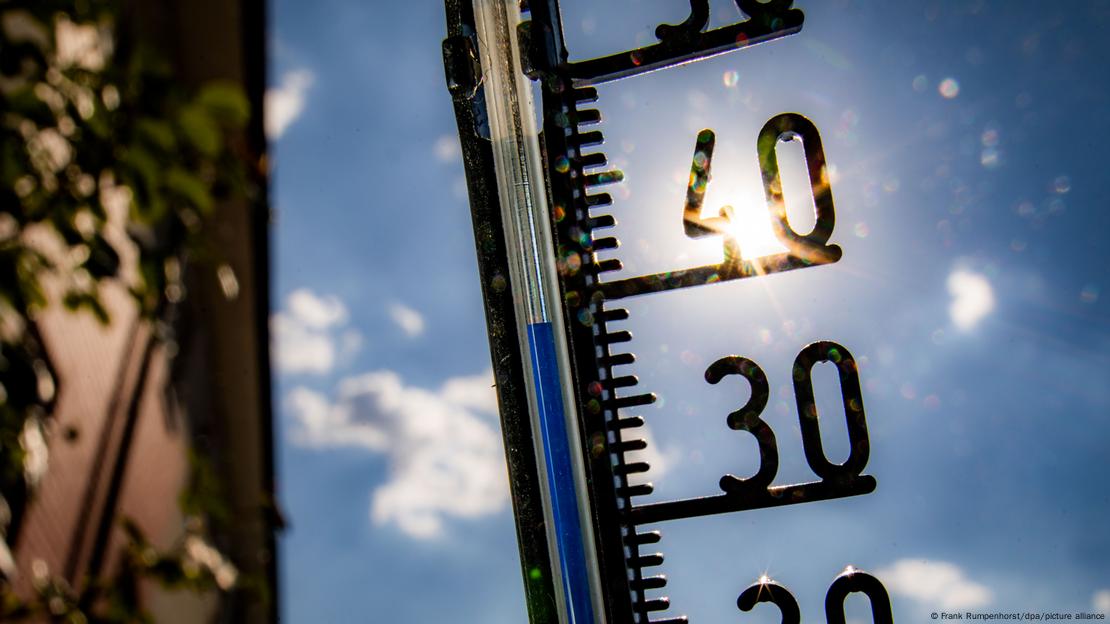
The rest of the models focus on the actual population, not the people who will live in the future on Earth. But the inequalities caused by land warming “are spread both globally and among generations,” says Ghadiali. My life is appreciated (in this approach to editor's explanation) more than the life of children and grandchildren. ”
In monitoring the effects of hot weather in specific locations, the research team estimates that the current emissions of greenhouse gases produced by 1.2 American citizens will make future people forced to live in weather at extreme temperatures. Despite disproportionate carbon dioxide emissions, the American population is less threatened by high temperatures.
How can people be protected from very hot weather?
Previous studies have shown that cities are most endangered by hot weather because of <x0 heating effects of islands”, heating places. Buildings, roads, and infrastructure absorb and radiate solar warmth more than natural environments, such as forests or lakes, causing urban temperatures to be up to 15 degrees Fahrenheit [15 ° C] higher than rural temperatures.
Cities around the world have appointed one person to deal with hot weather issues. One of them is Cristina Huidobro, who received such an assignment in 2022 in the Chilean capital, Santiago.
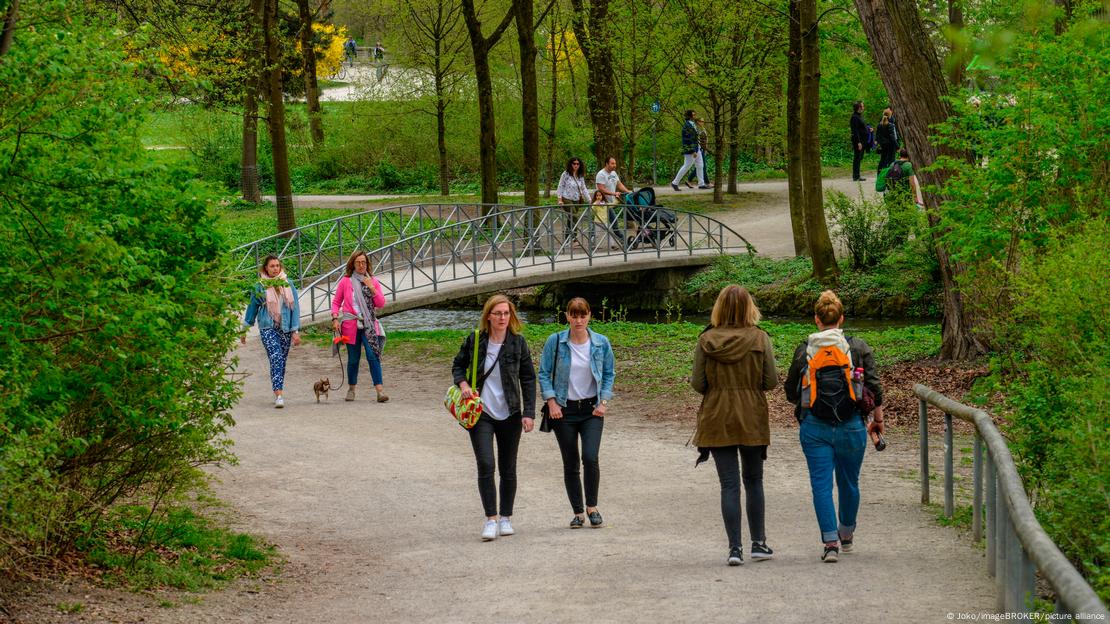
“Across the world many cities are confronted with hot weather, but solutions to escape from it must be found at the local level --” explains Huidobro in conversation with Deutsche Welle.
However, Huidobro says, all those dealing with hot weather follow a three-way strategy: prevention, sensationalization and adaptation. Prevention includes classifying heat waves as other natural disasters are classified, or setting the alarm limit, with which certain reactions are caused.
Greening and More Hot Protection for Cities
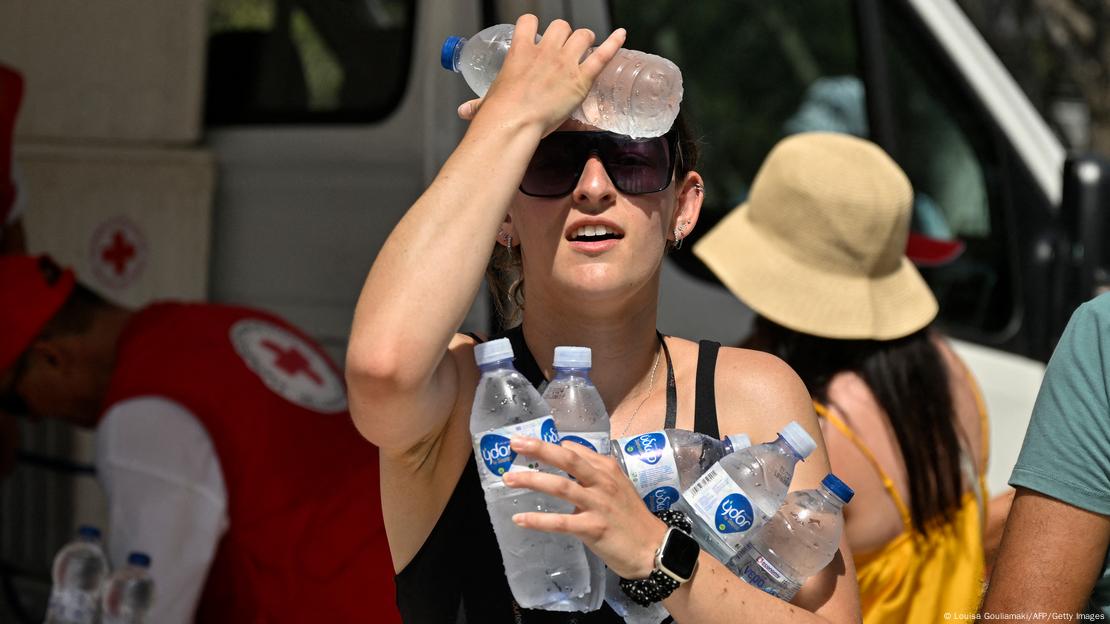
According to Huidobro, sensibility for the dangers of hot weather is a more important task. It's very simple to adapt to the very hot weather, drinking water, going into the shade and finding peace”, she says.
“No one should die due to extreme weather”
The third point is to adapt cities to the new reality of high temperatures, especially by creating more green surfaces in the city. Santiago de Chile has just launched a tree planting project in the city, with which 30,000 trees will be planted throughout the city and strategies will be developed to treat trees as city infrastructure.
“tree, tree, tree everywhere. This brings more green to town,” says Huidobro. But planting trees isn't as simple as remembering. “We're planting trees on very busy roads, for example on the city's main road. A number of construction projects must be performed for this purpose. This solution is not an immediate solution to the city's heat problem because trees want time to grow. The “Ide is to plant trees now, to shade after 20 or 30 years,” says Huidobro.
U.S. cities fighting very hot weather
The United States, where, according to previous studies, 12,000 people die a year of heat, has appointed three experts to deal with hot weather issues in Fanix, Miami, and Los Angeles.
The California city of Los Angeles, which has been estimated to be very sensitive to natural disasters, including hot weather waves, recently launched a campaign to create more <x0). There is already a network of cooling centers set up mainly in city libraries, when people can go to rescue heat. It is also being worked on creating the early warning system for hot weather waves.
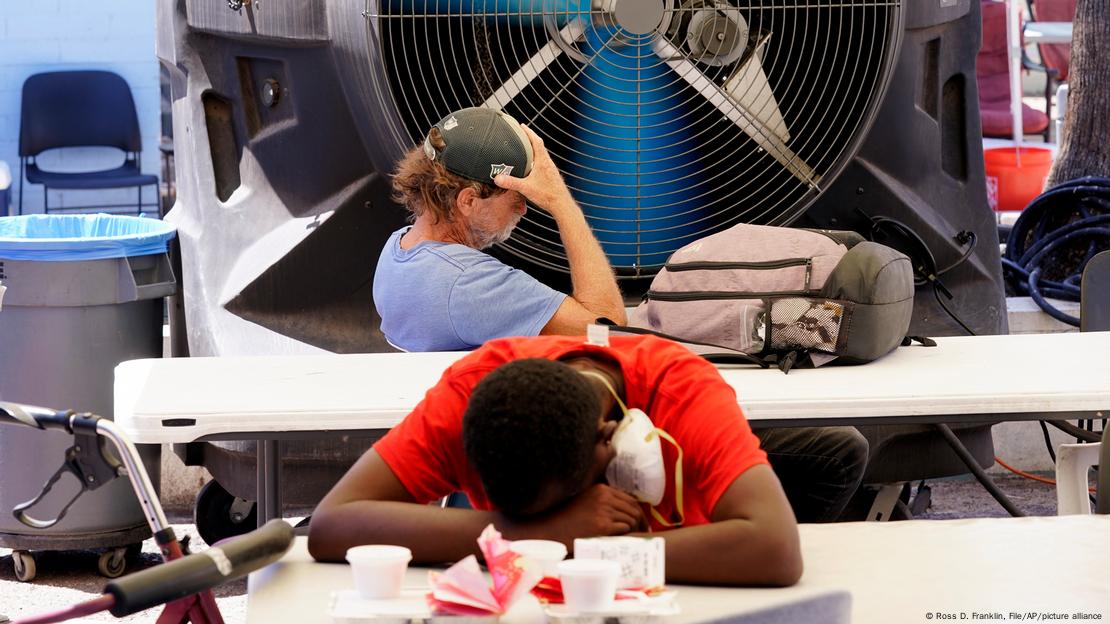
Phoenix, a city in the center of the Sonoran Desert, is working with several adaptations, including building refreshing sidewalks that are painted with a sticky material reflecting the sun. The sticky material causes roads to warm up several degrees less than the classic black asphalt and for the coolness of the night to last longer.
The city of Miami, Florida, has made plans for tree planting campaigns in urban areas and has spent millions of dollars putting in air conditioning devices for residents living in public buildings, while providing social assistance to low-income families to help pay their energy bills.
But Santiago's Huidobro says that air conditioning is generally the last solution to adopting hot weather because of its negative effects on climate.
Its town, Santiago, will plant “33 mini-pyje”, which can be used for housing during climate crises, especially near schools and health centres. They are different from air - conditioning cooling centres that have developed in the US and Europe. “During hot waves people can go inside these cool natural centers and find shade there, relax and drink water,” says Huidobro. / DW