8 minutes ago
Shops in northern Kosovo saw Serbia's products
Periskopi(3 years ago)
(3 years ago)For the first time in the post-war period, in northern Mitrovica, the majority Serb municipality in northern Kosovo almost does not have products from Serbia. The lack of these products is noted in other municipalities in Kosovo. This is witnessed by citizens and businesspeople, but this can also be found by shop shelves, where they are [...]
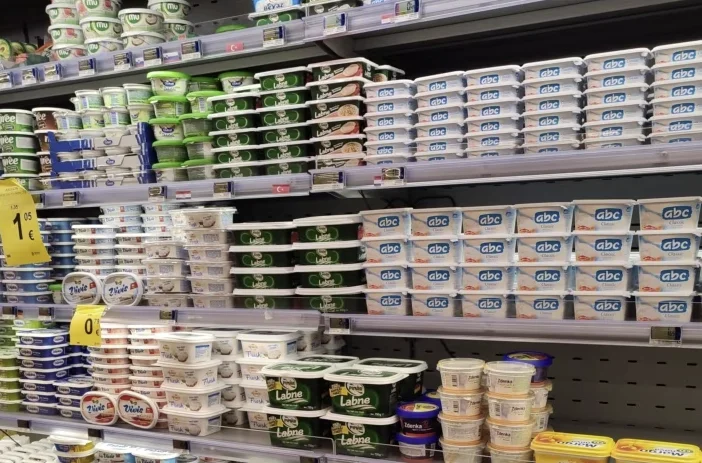
That is witnessed by citizens and businesspeople, meanwhile, by shop shelves, where products from countries in the region are listed mainly.
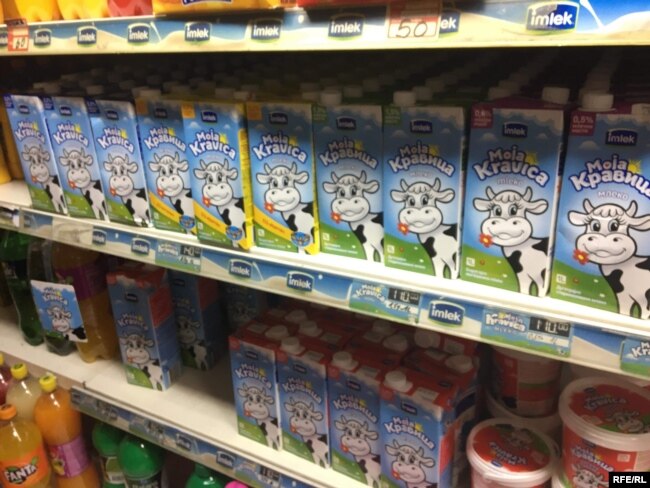
One of the businesspeople from North Mitrovica, who insisted on remaining anonymous, explains that milk “Imlek” from Serbia has been replaced with “Bimilek” from Northern Macedonia and instead of frozen food “Frikom”, as well from Serbia, in the bid is “Ledo<x> from Croatia.
We had to be reorient and buy goods that are available in abundance. We're in the way we're being imposed. )Bimlekkı from the Monastery (from Northern Macedonia) is the same as Rymllek (from Serbia), while products Swisslion from Serbia replace them with the same products coming from North Macedonia”, this businessman says.
“Bimilik” is part of the regional company “Imlek” in Serbia, which operates also in Montenegro, Bosnia and Herzegovina and in northern Macedonia.
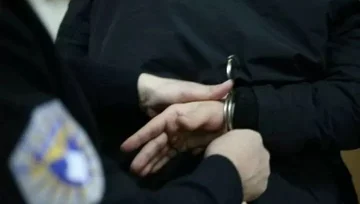
The absence of Serbian products in northern Kosovo is a consequence of the Kosovo Government's 14 June decision to ban import of goods from Serbia. The decision followed the arrest of three members of the Kosovo Police by Serbian forces, for whom authorities in Pristina said they were “rested”. As warned, such a decision has been made for security and not economic reasons, and it is not known how long it will stand in power.
This is not the first time Kosovo authorities have made the decision to ban imports of goods from Serbia or impose taxes on them, but so far the so-called “alternate ways” in northern Kosovo for import have been used.
Kosovo police in co-operation with Dogan have during the past year developed several anti-muggling shares with goods, while “alternative roads” between Kosovo and Serbia are under strict control of the Kosovo Police.
The last case was last week in Leposaviq, the Serb-run municipality in the north, when Kosovo police stopped a vehicle with Serbia's license plates, which a Serbian citizen led.
“During vehicle control, alcohol (sever) has been observed about 100 liters, as well as trees and vegetables”, the Kosovo Police report said on 26 July.
The cargo vehicle has been sent to the customs terminal.
What do the residents say?
Northern Mitrovica citizens claim that “against their will” has had to change their habits and start buying products from other countries in the region instead of those from Serbia.
Milica says she mostly lacks milk products “Imlek”, since, as she says, she is accustomed to their taste.
I'm going up a little bit, I'm looking, maybe it's somewhere”, she says.
She adds that she will gain new habits if the ban on import of goods from Serbia remains in force.
Even Ivana cannot find products from Serbia at local stores.
For example, there is no feta cheese to buy daily. I used to buy Serbian alone (products), now I don't find it with days of”, she says.
Northern Mitrovica residents complain of price hikes, either for the same products they pay more than the southern residents.
“Prices are the highest here. Why it is, I don't get it at all”, says Ivana.
Dragica, too, notes price hikes due to lack of goods from Serbia. For this reason, she has decided to shop in the local product market.
“Three hundred dinars (2.5 euros) is a bottle of two litres (right)”, Dragica says.
On the other hand, businessmen interviewed by Radio Free Europe claim that prices dictate how they obtain products and are not misusing the situation. However, they do not want to speak publicly and in detail on this subject.
What's the situation in other municipalities?
In Serb-run residential facilities south of the Iber River, the lack of products from Serbia is evident. Most shop owners in Gracanica, a Serb majority municipality near Pristina, goods from Serbia have been secured in northern Mitrovica.
“It is a big problem, goods from Serbia cannot be found anywhere”, says one of the businessmen in Gracanica, who does not want to reveal identity.
The data from June this year, compared to the same period last year, shows a decline in import of Serbia's products.
According to data from the Kosovo Statistics Agency in June 2022, Kosovo has imported products from Serbia, worth 33m and 757m euros. In the same period of 2023, imports from Serbia total 13m and 255 thousand euros.
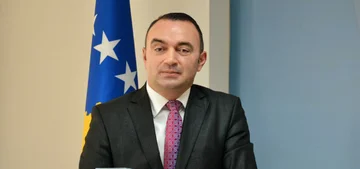
The official Pristina decision, which fails to enter final products on the Kosovo market, still continues, says Kosovo Economica Chairman Lulzim Rafuna. This measure, according to him, does not apply to raw materials and semi-products.
Serbia's lack of products in Serb-run populated environments, according to him, is the result of the government's move towards these products, but also the efficient fight of law bodies against smuggling these products.
We're seeing every day that law enforcement agencies, police, Customs, Tax Administration, have communiquettes for smuggled goods that are being seized by especially entering the northern part, because the green border line is the longest in that part. Second is the security measure [of the government], which cannot import [Serbia's products]”, Rafuna says.
He stresses that Serbia's lack of products on the Kosovo market has been compensated for identical products from other countries in the region. That move, according to him, has so far not affected the interests of Kosovo businesses, because it is being implemented for two months now.
According to Rafuna, if the measure continues, then in the medium and long term, businesses in Kosovo will be damaged because of the higher cost of importing identical products from the most distant countries. This, according to him, is also expected to affect the rising prices of those products. / REL