18 minutes ago
Can Russia attack merchant ships on the Black Sea?
Periskopi(3 years ago)
(3 years ago)Moscow threatens attacks on commercial ships after the end of the grain deal. But what does international law permit, what does Russia aim for, and how should it now work west? The Ministry of Defence in Moscow had declared after Russia left the grain deal that from July 20th all ships passing through the sea [...]
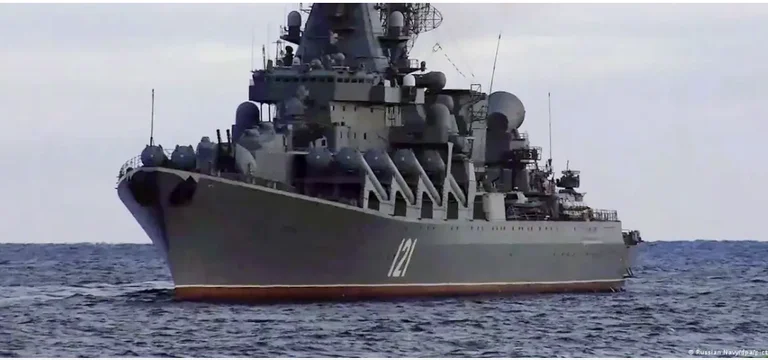
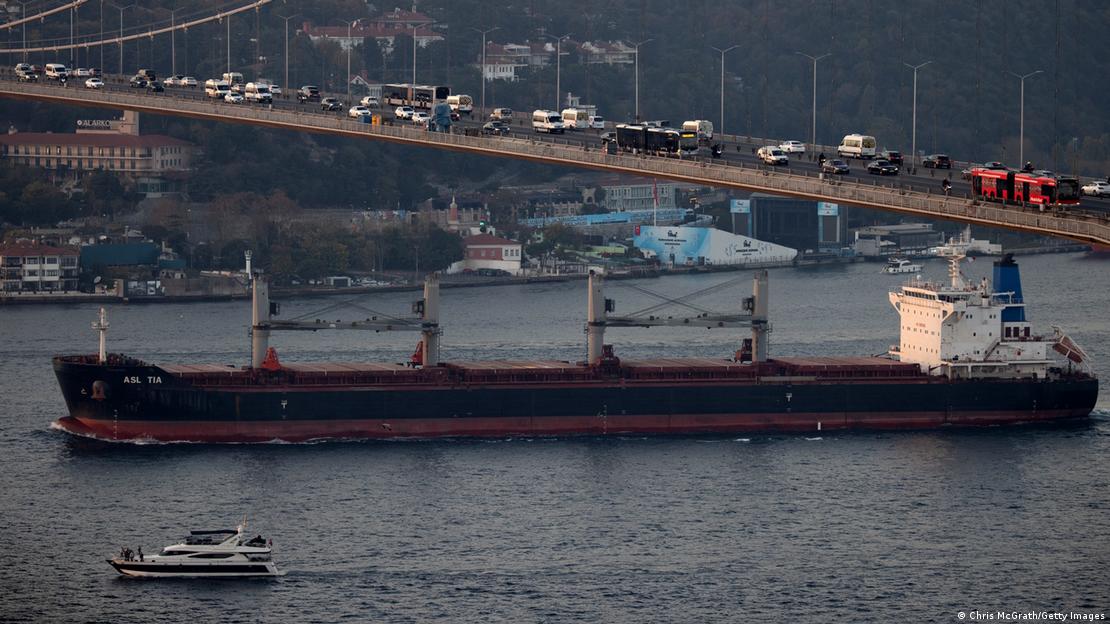
The Ministry of Defence in Moscow had declared after Russia left the grain deal that from July 20th all ships passing through the Black Sea to Ukrainian ports would be considered potential holders of military weapons. The countries, with flags travelling these ships, will be considered involved on Kiev's side in the Ukraine conflict. Are such attacks against commercial ships on the part of international law allowed, and what can be the effect of the fact - making blockades of Ukrainian ports from Russia? DW has spoken with experts on this matter:
A pair of wars cannot unilaterally declare individual or body bodies as legitimate targets of war. In this regard is Johannes Peters, a security expert at the University of Kiel. When Russia views ships as legitimate objectives, it does not mean at all that they are legitimate objectives. A Russian attack on commercial ships in international waters is protected not only by international law but also by international war rights.” Just doubt that a civilian ship can transport military material does not justify an attack on a ship.

What, though, is permitted for the parties in war?
Wolff Heintschel von Heinegg, professor of international law in the Vlarina University, makes it clear that one party that develops war, according to the right of sea war, is allowed to control all ships that take the course to enemy territory. If material smuggling is to be found in this case, this should become known to the world. But first a list of goods that are not allowed to be transported should be published. If a ship is controlled, not an enemy merchant ship, but a neutral merchant ship, and it turns out, that it has such materials on board, the warring party is allowed to seize the ship, but not to attack it. An attack on the ship would be allowed only if the ship is used to make an effective contribution to enemy military action. For example, a ship that provides classified information of military value, contains mines, or rough things. Then this ship would be vulnerable to attack. Simply, the fact that it moves into the Black Sea does not mean, that there is a right to make it the target of attack”, the expert explains.
Heintschel von Heinegg points out that, if a ship actually transports military materials to the enemy, it could become an object of attack.” But this should be based on facts, not assumptions. If Russia does not previously publish a list of prohibited materials, then according to experts there will not be banned goods for transportation and ships in the direction of Ukraine should not be confiscated by Russia. But they can be stopped for control. A team goes aboard, controls the ship and should allow it to continue on course, if it is not a part of developments in Ukraine, according to Heinschel von Heinegg.
What are Russia's intentions?
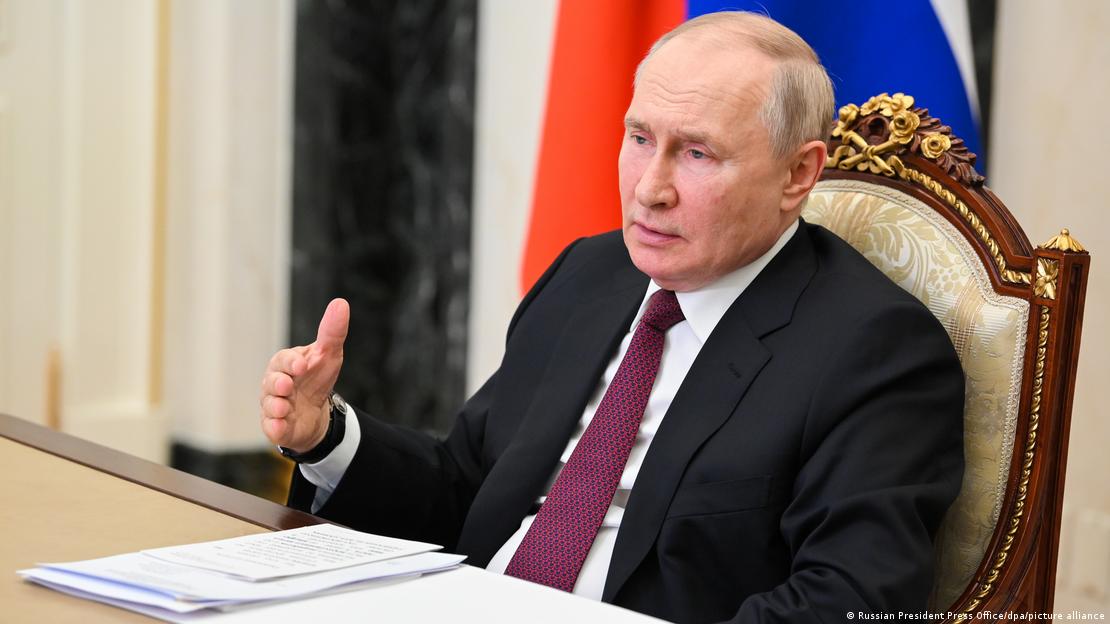
According to Johannes Peters Russia, at the risk of international trade in the first place, is not intended to weaken Ukraine, but rather west through the use of hunger as weapons and force it to free sanctions. This is Russia's account, which is enough to threaten with certain measures, in order for ship concertes but also ship insurance companies not to take this risk and thus allow Ukraine to export more cereal”, the expert says. “Russia seeks to force the West to release sanctions imposed against Russia.” Moscow's demands are clear: re-admission of the Russian agrarian bank, “Rosselchosbank” to SWIFT system and easier export of chemical waste.
The end of the grain deal is for Russia a welcome occasion to put under pressure the Western world, Peters points out. Even strengthening attacks on Odessa are part of the Russian strategy “to prevent ships at Ukraine's invitation from choosing alternative routes discussed at the moment. ”
What are the Western possibilities?
Peters says that the West must now decide whether in case of need it will militarily accompany commercial ships, which is being debated recently. However, this is practically difficult to achieve, according to the expert. First, Turkey must approve the presence of a host of military ships on the Black Sea. Next: In these cases special routes must be established. On the other hand, according to Peters, there would be a significant increase in danger by this step that Western states, as if unwittingly, would be directly involved in military clashes with Russian warships. “From the beginning of the war both Russia and the West have tried to stave off such a scale. ”