21 minutes ago
Joseph: Indiscreet Kurt in the north, recognition of Kosovo by Ukraine could change things
Periskopi(3 years ago)
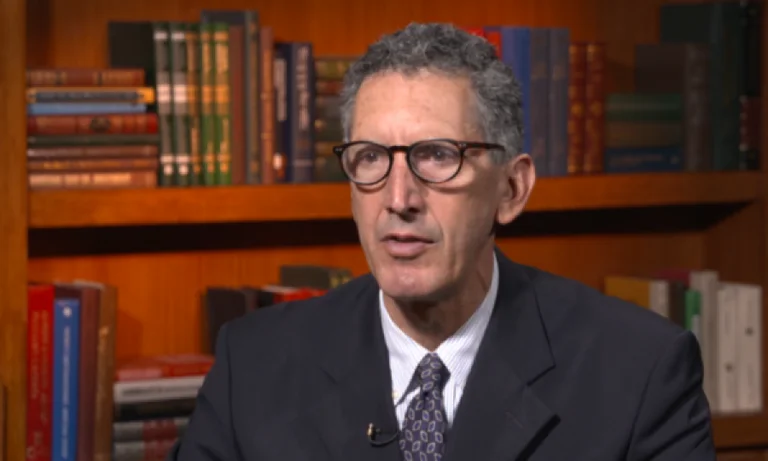
(3 years ago)Edward P. Joseph, professor at Johns Hopkins University in Washington, says Kosovo Prime Minister Albin Kurti was the reckless “in his operational movements in the north”, but according to him the situation would not change much to even a “very co-operative and mild-minded leader”. It is clear that Kurti was reckless in moves [...]
Edward P. Joseph, professor at Johns Hopkins University in Washington, says Kosovo Prime Minister Albin Kurti was the reckless “in his operational movements in the north”, but according to him the situation would not change much to even a “very co-operative and mild-minded leader”.
It is clear that Kurti was reckless in his operational movements in the north, challenging when it came to the international community and provocative when it came to his fellow citizens, Kosovo Serbs. Not only the arrests, but also the treatment of arrested Serbs, merit investigation”, Joseph said in an interview for the Serbian media, Demostat.
Now let's imagine there has been a more cooperative leader in Pristina. In fact, we do not have to imagine; there was a more cooperative director. His name was Avdullah Hoti. In September 2020, he even signed the Washington Agreement at the White House of Trump, along with President Vuciq. At one point he agreed to put the Association of Serb majority municipalities in order. So what happened to this very cooperative and gentle leader in Kosovo? Have we seen rapid progress between Belgrade and Pristina? A reduction of tensions as each side focuses on economic projects?
Furthermore, he recalls that very soon after the signing of that agreement, we had seen some of the worst attacks on Kosovo led by two prominent figures around Vuciqi Aleksandar Vulin and Ivica Daciq”.
Solving the problems between Kosovo and Serbia, Joseph sees in the possible recognition of Kosovo's independence by the five EU nations that have yet to do so, or especially of four who are also members of NATO -- Greece, Romania, Slovakia and Spain.
“They offer advantages for Serbia over Kosovo. By doing this, they make it extremely difficult for Kosovo and Serbia to implement the true implementation of the Franco-German proposal or do what is really necessary to achieve a final solution”, says the American professor.
The current dynamic in the north is “a reflection of this problem”, Joseph says, and adds that the longer the tensions continue, the harder it will be to move forward”.
The Franco-German subx0 is agreed with all EU member states. If the plan is implemented, will the five EU countries' views on Kosovo change?”, Joseph asks. “There is no guarantee”, he adds, “ppsc in the case of Greece”.
He recalls how Romania, Slovakia and Spain had completely ignored the International Court of Justice's 2010 decision on Kosovo's independence.
“Belgrade preserves a distinction between the concepts of independence and sovereignty. Thus, the entire region is forgotten for a slight change, legalyst. Kosovo's recognition by Ukraine could change all of this. Those who have not accepted would have to face facts why Kosovo is a special case, a unique” case, says Joseph.