5 minutes ago
Germany: We don't need tensions in the Balkans, Pristina, Belgrade turning to dialogue
Periskopi(3 years ago)
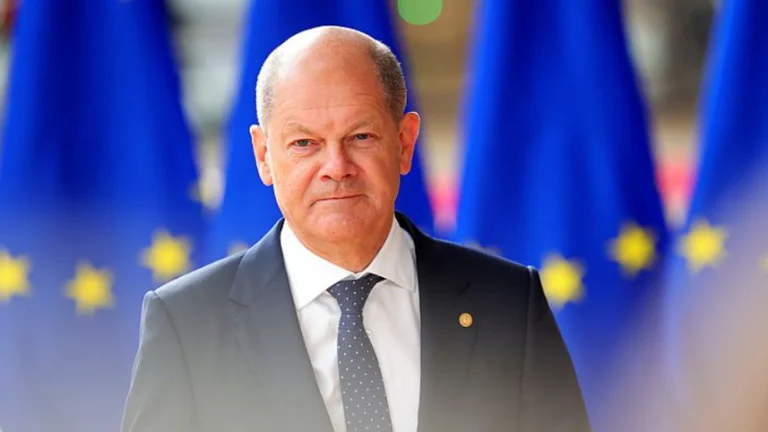
(3 years ago)On the eve of NATO's summit, government circles from Germany have again stressed the importance of extending to the Balkans for the geopolitical situation in Europe. During a meeting with journalists in Berlin, on the eve of the NATO summit, a senior German Chancellorship official told DW that Pristina and Belgrade should [...]
During a meeting with journalists in Berlin, on the eve of the NATO summit, a senior German Chancellorship official told DW that Pristina and Belgrade should return the negotiating table.
Our “Fokus is that both sides implement what they have promised, especially in Belgrade, but also in Kosovo”, the official said, given the Franco-German plan and agreement on it in February and March of this year.
The next step is for both sides to be present in EU-led talks and then to negotiate constructively for the Serbian majority communities' association”.
The main focus of the NATO summit will be support for Ukraine. But, of course, the Kosovo issue and security in the Balkans will be a topic of negotiations.
I believe this summit is a good opportunity for all to remember the geopolitical situation: Russia has returned war to Europe again and as a result NATO is increasing its defence capacity. “What we really don't need right now is, in this very tense geopolitical situation to have in the Balkans such tensions that we believe are inevitable”, the official said.
In intensive exchange for Albanian prime minister
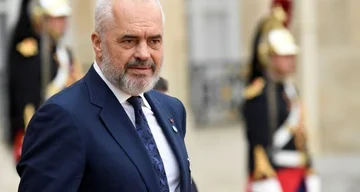
The earlier warning made by Albania's prime minister, Edi Rama, that if Kosovo continues to self-awarely, by failing to meet EU requirements, a “republic of KFOR” could be created, the official said “that these visions of Albania's prime minister are very distant”.
But he acknowledged that German Chancellor “is in intensive exchange with Albania's prime minister, Edi Rama, for general stability issues in the Balkans”.
On the other hand, he called for implementation of the Ohrid Agreement: “is indeed the time for all parties involved to implement what has been agreed on. If they do that, and we think there is nothing that stands in the way that prevents ʹ there is no need for such reflection”, the official said, referring to Albanian Prime Minister Edi Rama's statement.
Sanctions Even Toward Belgrade
Germany increased pressure on Kosovo last week by temporarily canceling its first three co-operation projects with Kosovo, in line with the decision made by the European Union Council for punitive measures against Kosovo.
As DW confirmed, the German Embassy in Pristina and the Ministry of Foreign Affairs in Berlin is referring to three projects that have not yet been launched.
“are consultations and forms of co-operation in the areas of security co-operation and co-operation for development”, the German ministry said, but added that punishments do not affect “projectors with the civil society sector, as well as in projects that we have already begun to implement”.
All affected projects can resume at any time. The precondition for this is the implementation of necessary measures for extending the situation to northern municipalities”, the Ministry of Foreign Affairs writes in response to the DW question.
The DW also asked Germany's Ministry of Foreign Affairs whether Germany intends to take punitive measures against Serbia, which is refusing to sign the Ohrid Deal.
The German Foreign Ministry's response also said that “, like Kosovo, we expect Serbia to actively contribute to extending the situation. “Serbia must clearly commit to implementing the Ohrid Union, which it agreed to earlier this year, and should no longer question its validity and its binding nature”.
In view of the tense situation we did with Kosovo, we are therefore considering, not only within the EU, but also in the bilateral plan what measures can be taken against Serbia, for example by suspending projects and forms of co-operation”, the foreign affairs ministry said.
President Vuciq's statements show that both Kosovo and Serbia are currently hampering the situation in the same measure, the statement said further.
Serbian President Aleksandar Vuciq had announced last week that he is considering next week the possibility of signing a decision banning further ammunition exports from Serbia, as well as any weapons.
Ischinger: I'm against sanctions.
The policy of sanctions against Kosovo has been greatly criticised by Balkan experts and connoisseur. Former German Ambassador and Balkan connoisseur Wolfgang Ischinger, at a meeting held with foreign journalists accredited in Berlin, expressed sceptical of this approach.
I'm not for such punitive shares. I think the European Union should be careful that our decisions on sanctions, as if already acted against Poland or Hungary, do not produce counterproductive results. ”
Ischigner said these could bring unnecessary hostility to EU co-operation. He said it is for rewards rather than punishment. So I would too propose to Mr. Borrell or Lajcak to make a list of rewards for those who cooperate, those who don't cooperate get nothing. ”
Ischinger also said Western Balkan countries should enter the EU before Ukraine.
“We cannot further damage credibility (that it is also damaged) of the region to the European Union”, said Ischinger, who recalled that exactly 20 years ago the six Western Balkan countries were told that they are part of the EU. Now it's been 20 years, nothing happened, disappointment is over”, answered the DW question.