4 minutes ago
Fregorizers on Europe's streets to prevent food decay
Periskopi(3 years ago)
(3 years ago)AP Tulla head you forgot to make salad is starting to dry? You bought a lot of food before you left on vacation? In an effort to help nature-friendly consumers, a nongovernmental company in Geneva is adding to the number of refrigerators in public environments, with the possibility that [...]
The lettuce head you forgot to make salad is starting to dry? You bought a lot of food before you left on vacation?
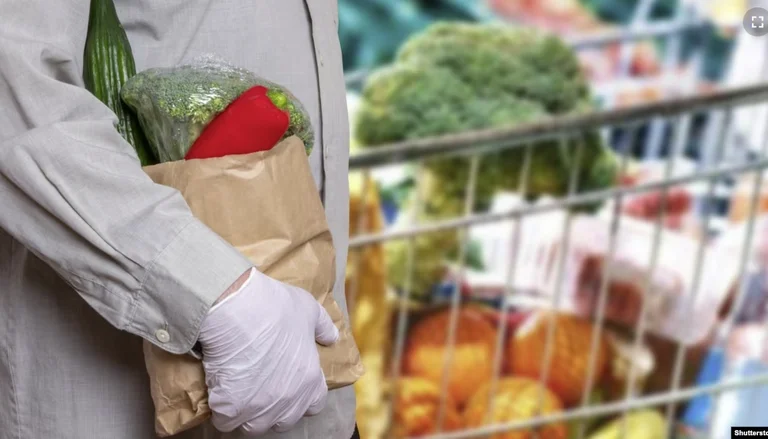
In an effort to help nature-friendly consumers, a nongovernmental company in Geneva is adding to the number of refrigerators in public spaces, with the possibility that restaurants, or other residents who cook at home, can fill them with foods that could be destroyed.
This step is part of an even greater effort by the communities in Switzerland, and some other European states, to contribute to the protection of nature through avoiding food decay.
The non-governmental Free-Go company whose name is derived from éfregoggão, the word used by many states for the refrigerator has distributed some such equipment across Geneva, mainly in places where pedestrians can get free trees, vegetables, bread, crosans and other foods.
The program costs about $40,000 a year and enjoys the support of many charities and local government.
The project was presented last year with only one refrigerator outside a community centre in western Geneva, and now it has four, strategically distributed around the city.
The fifth is expected to be located in the city by the end of the year.
Marine Delevaux, director of the project, has said that stored food disappears by flight within an hour.
For health reasons and other regulations, it is not allowed to send frozen food, open, prepared items, or alcohol.
Free-Go is also experimenting with visits to several residential buildings to facilitate participation in the programme.
It has also created a telephone line through which restaurant workers can contact the food organization.
“generally, when collecting food from shops and restaurants in the morning, people are eager to receive it”, Delevaux said, adding that the first refrigerator in Geneva has contributed to the preservation of about 3.2 tons of food.
Of the total amount of food donated, only about 3 percent has not been consumed.
Free-Go has said that food contributors from the private sector like restaurants or other vendors should pledge that donated food is safe to eat.
Swiss law says food after the recommended “data of usage” can be consumed until a year later, Delevaux said.
The Swiss government estimates that nearly one-third of all consumer food products end up basketing or about 330 kilos per person each year.
Free-Go estimates that 1 billion tonnes of food end up breaking up in the world every year, although energy and other sources in production and transportation have been used for their creation.
“Using food is not only ethical and economic issues, but also destroys the environment with limited natural resources”, the European Commission has said.
Similar feeding campaigns are being implemented in Bern, as the idea has been imported from Germany.
According to Foodsharing.de, the group in Germany that has lived up to this idea more than a decade ago, more than half a million people in Germany, France and Austria have turned the initiative into international movement, and helped preserve 83 million food tons, prevent destruction.
Because food is free, donations vary from day to day, and some consumers may end up disappointed.
Shala Morad, 65-year-old from Iran, who lives in Geneva for a decade, has said he's been looking for bread, but there hasn't been.
However, she appreciates the initiative.
It's very good. It can take strawberries, cherry trees, similar products. The part that's free, I like it too”, she said.
Meanwhile, 54-year-old Severine Quandes, a 54-year-old teacher who has a backyard full of vegetables, said he's been sending food constantly because “has a lot of” and he's applauded the initiative, “because this neighborhood needs”.
That's what happens to all of us who buy a lot of”, she said smile. /Preparation: REL