14 minutes ago
Border food banks in Germany
Periskopi(3 years ago)
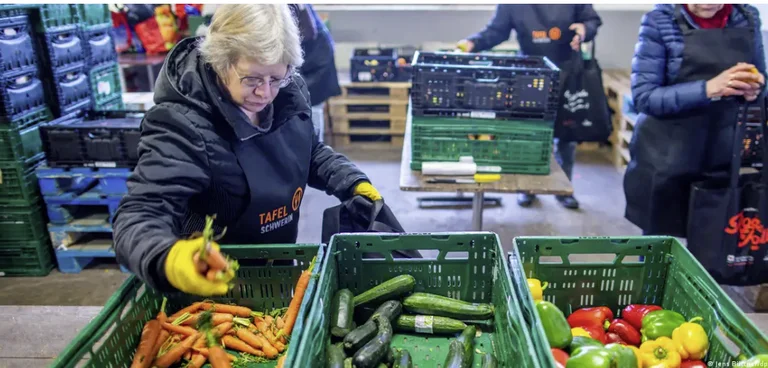
(3 years ago)Food banks in need: rising prices, more and more war refugees and less donations. Over 970 food banks in Germany help those with few. Anyone who testifies to the need may receive food from charitable organizations. But fewer and fewer companies donate to food banks, while demand [...]
Over 970 food banks in Germany help those with few. Anyone who testifies to the need may receive food from charitable organizations. But fewer and fewer companies donate to food banks as demand for food increases and increases. It's high inflation, and the high number of refugees coming from Ukraine. Food banks now seek state assistance.
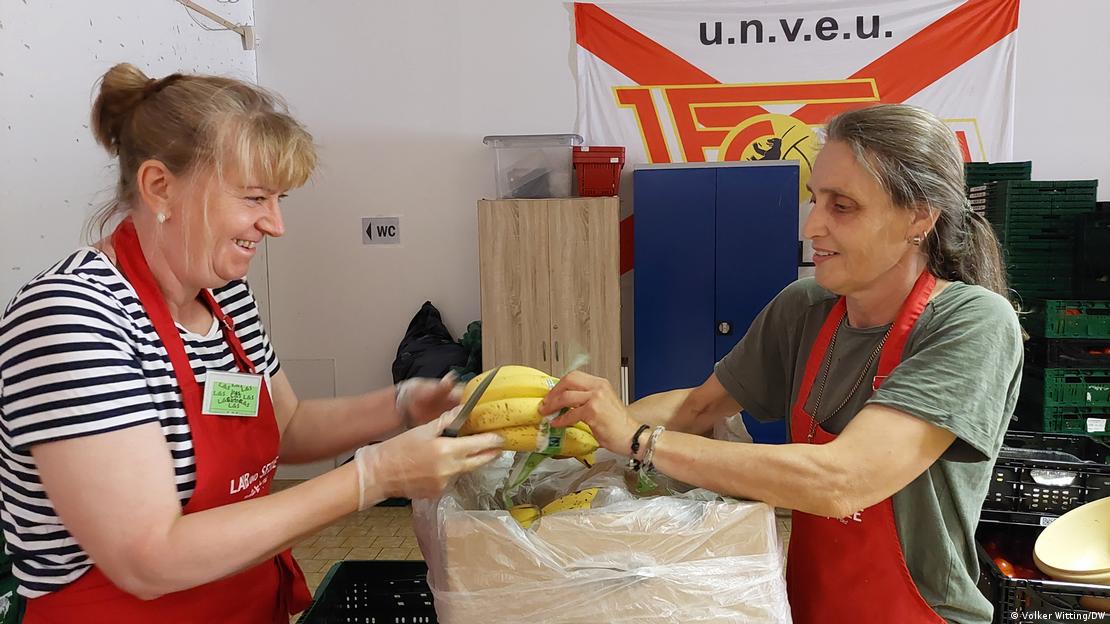
Many poor people can no longer afford to live a life of much more expensive. So for example, in Berlin's Köpenick district. Even on hot - hot peaks, over 30 degrees Fahrenheit [30 ° C], people line up in the sun at one of the buildings of the 1st FC Union football club.
Denise Lauer came for the first time. She hesitates a bit as she slips in. I wanted to try, but I didn't dare”, the only mother confessed. The “has become increasingly difficult for me and the boy to deal with because of the high price”. Today she found the courage to come. A food basket costs 1.5 euros.
According to the Federal Bureau of Statistics, food prices have increased by almost 15 percent compared to the previous year; Inflation has increased by 7.3 percent.
Since the war against Ukraine, everything has changed for food banks
Since the beginning of the Russian attack on Ukraine, one in every five food banks faces doubling the number of customers, the German Food Bank Association recently reported. Carol Seele, chairman of the Berlin-Cepenick branch honour, told DW that “prior to the war came to receive 340 maximum food, while now there are over 500. To get food at the food bank, you must prove to be in need.
Tetiana Kudina is a refugee from Ukraine. A boy and a man of hers were left in Kiev. She comes to the food bank every Tuesday with her youngest son. So I save a lot of money,” she says. She also meets Germans and Ukrainians, with whom she can exchange two words: “That's how she gets rid of”
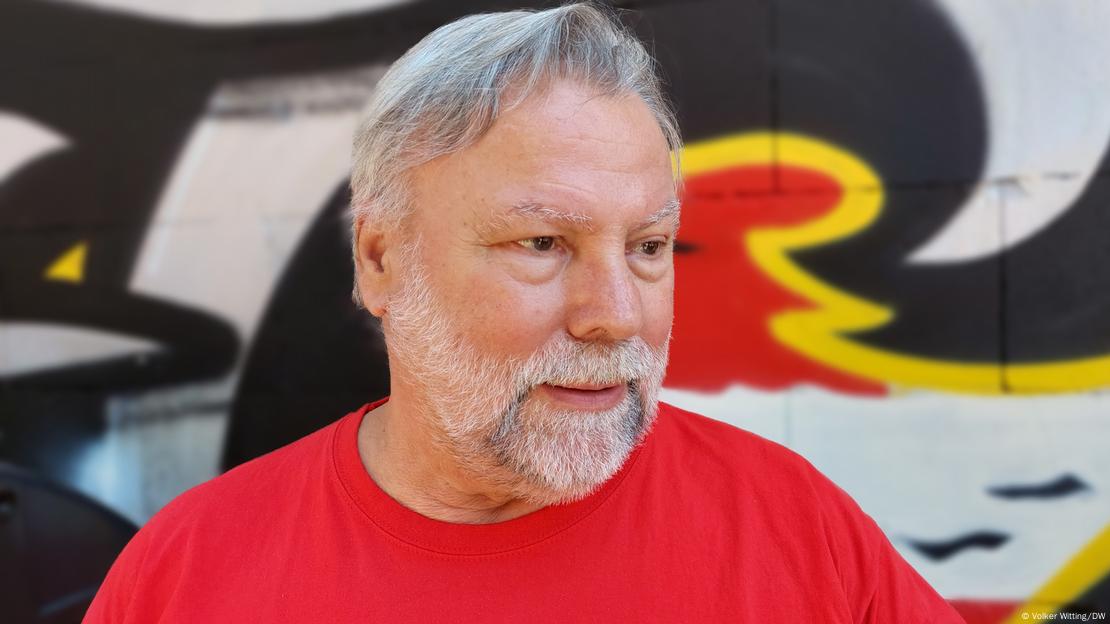
Berliner Taffle, Berlin's first food bank, was founded in 1993 by several women. Today food banks help over two million people. Local associations are financed with gifts - money, or food. They are assisted by large food companies such as Rewe, Lidl, or Aldy. Their supermarkets donate excess foods, or have a small flaw, which were destined to be thrown away.
Food Bank for Poor People in Rich Germany
Food banks want to help people in need. A person is considered poor if there are less than 60 percent of the average net income, approximately 1300 euros a month. Some 13 million people are considered poor in Germany.
But food donations have dropped, the Federal Food Banks Association questioned by DW complains. According to Andreas Stepuhn, the newly elected chairman of the Federal Food Banks Association, there are several reasons for this: “One of the reasons is that supermarkets try not to have so much food left at the end of the day. We welcome this in principle, because we always think it's good when food waste is downplayed. But this goes to the expense of food banks, which currently need more food donations to manage the increased number of customers. In addition, there is greater awareness between corporations and customers that food should not be wasted.
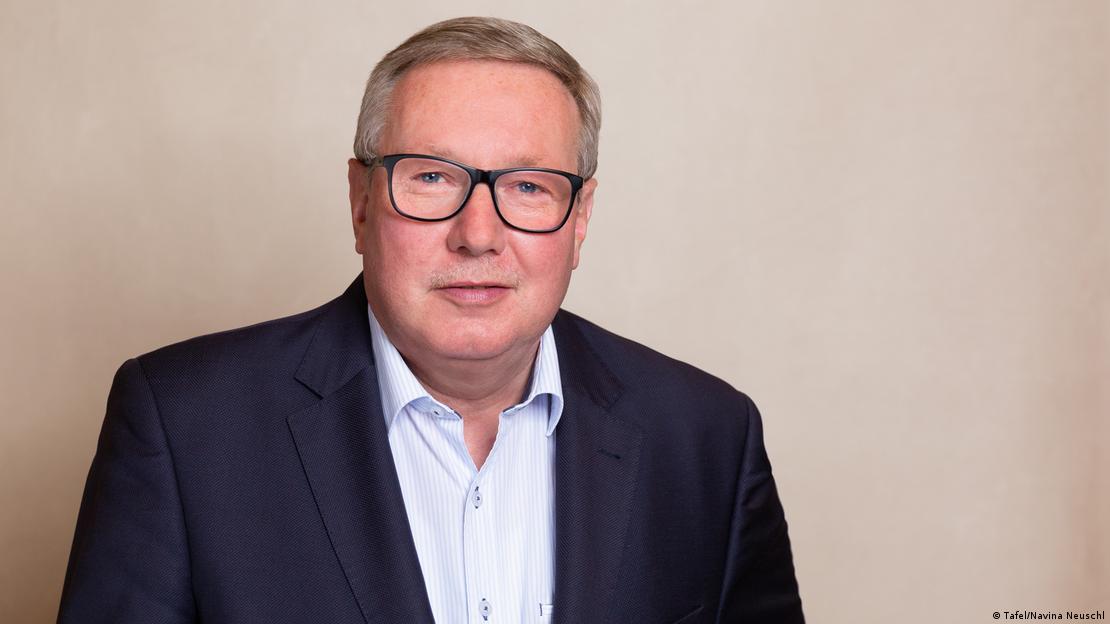
The new head of the food bank, Stepuhn, sees independent state food banks in trouble: “Politics should provide us with some basic funds to cover the” needs, he says. So far, however, it does not seem that this idea is backed by the state. In that case, food banks will remain in the hands of donations that desperately collect the approximately 600,000 volunteers engaged in them.
Denise Lauer says he'll come back to buy at Köpenick's bank. It is a great help to him in difficult times. / DW