16 minutes ago
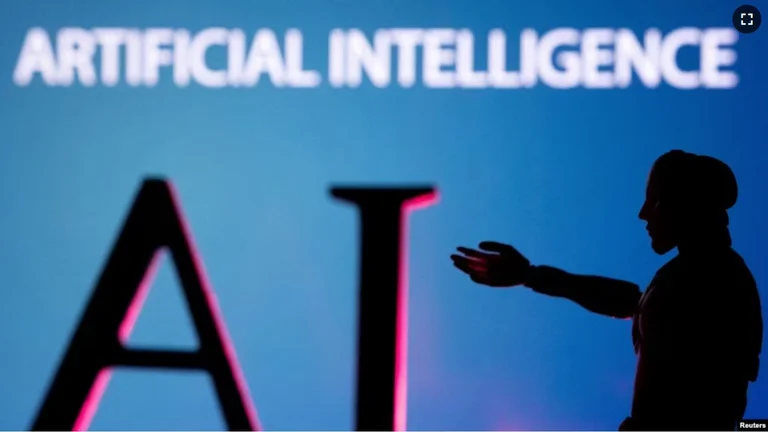
Amazon, Google and other firms agree with security measures imposed by the White House for Artificial Intelligence
Periskopi(3 years ago)
(3 years ago)Amazon, Google, Meta, Microsoft and other key firms in the development of Artificial Intelligence technology have agreed to meet a series of non-binding control measures proposed by President Joe Biden's administration regarding this technology. The White House said Friday that seven American companies have committed their products to [...]
Amazon, Google, Meta, Microsoft and other key firms in the development of Artificial Intelligence technology have agreed to meet a series of non-binding control measures proposed by President Joe Biden's administration regarding this technology.
The White House said on Friday that seven American companies have committed their artificial intelligence products to verify they are safe before making them public.
Part of this pledge is the admission of surveillance by the third parties of the operational artificial intelligence systems for broad use, although no details have been provided as to who will verify the technology or who will hold companies responsible.
An increase in investments in equipment operating with Artificial Intelligence by drafting text similar to what people themselves write and produce new images have quickly become popular by the public, but have also sparked concern about their ability to deceive people and spread deninforms.
The four largest technology companies, along with the “creator ChatGPT”, “OpenAI” and the Anthropic and Inflammation firms have pledged to verify “, carried out in part by independent experts” to protect against major risks, including cyber security, the White House said in a statement.
This verification will also consider the potential for harm to society, for example, from prejudice and discrimination, and theoretical risks about advanced artificial intelligence systems that can take over control of physical systems.
They will also publicly report shortcomings and risks on their technology, including the effects it may have on promoting prejudices, the White House said.
The non-binding engagement of technology companies aims to respond swiftly to dangers from Artificial Intelligence prior to the adoption of laws by Congress for their control, though adopting these laws is part of long-term plans.
The directors of technology companies are expected to meet with President Biden at the White House on Friday.
Some critics who want regulation of Artificial Intelligence said the Biden administration's decision is a good start, but more needs to be done to keep companies and their products responsible.
Some young experts and competitors worry that the kind of regulation being circulated can be a help to big, richer companies like BAROpen AI, Googleh and émicrosofft once the smaller firms are excluded because of the high cost of developing Artificial Intelligence systems.
Some countries are considering ways to establish regulations for Artificial Intelligence, including European Union lawmakers who are negotiating comprehensive regulations for Artificial Intelligence for the 27-nation bloc, something that can limit applications considered to have higher risks.
The White House said on Friday it has talked to several countries about the non-binding measures the leading American companies agreed with.
The promise is very focused on security risks, but it does not address other concerns, including the impact on workplaces and market competition, environmental resources needed to build IA models and copyright concerns when it comes to writing, art and other works created by the man used to teach Artificial Intelligence systems how to produce human-like content. /Vosa