2 days ago
Advanced aid software for Nio's NOP+ driver goes beyond testing Beta
Periskopi(3 years ago)
(3 years ago)Nio, the Chinese car manufacturer, has taken an important step by announcing the official launch of his advanced Navigate on Pilot (NOP) Plus the driver's assistance. After rigorously testing beta, the software is now prepared to accept payment subscriptions. This transition comes with the presentation of Nio's Operational System [...]
Nio, the Chinese car manufacturer, has taken an important step by announcing the official launch of his advanced Navigate on Pilot (NOP) Plus the driver's assistance. After rigorously testing beta, the software is now prepared to accept payment subscriptions.
This transition comes with the presentation of the Nio Operational System Banyan 2.0.0, enabling users to improve their beta version of NOP+ into that official. Starting on July 1st, Nio has started accepting monthly subscriptions for NOP+ at a price starting at 48 euros.
In addition, Nio is generously extending the benefits of free access to the owners of new cars. Over a six-month period, NOP+ Beta of Nio has been tested for 185 days, gathering an impressive total of 42,860,000km, with an additional 2,10,000km increase each week, reports EV ArenaTelevision broadcast.
The phase of NOP+'s beta testing engaged more than 52,000 participants, helping Nio implement rapid and repeat software updates.
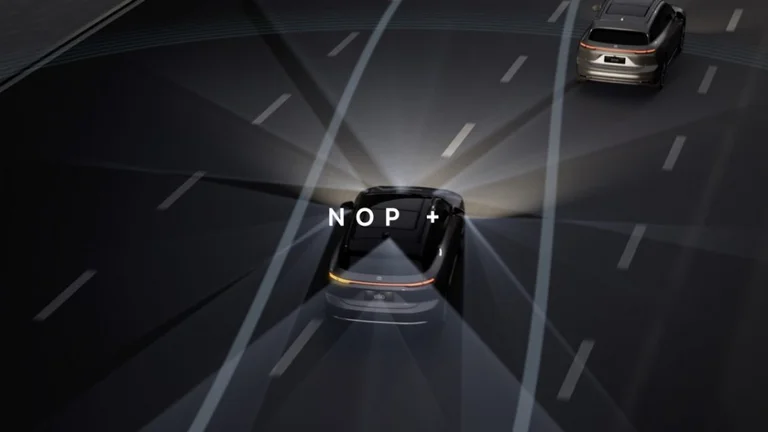
Newly created official version NOP+ also includes a new model of view from the bird's perspective (Bird Eye View BIV and the perception of the network of exploitation, linking it to the technology group found in Nio's autonomous guidance system (NAD).
The EUV perception architecture is designed to present a host of information, including dynamic models, road elements, back lights and turning signals. According to Nio, this detailed view of the vehicle circuit has resulted in a decrease in the frequency of degradation by 80 percent, resulting in a more relaxed NOP+ experience for users of their cars.
In an ambitious move, Nio plans to expand software skills NOP+ in the second half of 2023 to cover battery change scenarios in highway service areas. It aims to eventually expand this service at battery exchange stations in the national highway service areas.