13 minutes ago
Survey: Normal for German men slaps on women?
Periskopi(3 years ago)
(3 years ago)The results of a recent survey of manhood caused many reactions in Germany because of some attitudes that sound terrifying. What is this survey, and are men in Germany so toxic? As an idol star of TikTok and self-declared “The results of a survey several days ago passed as news. [...]
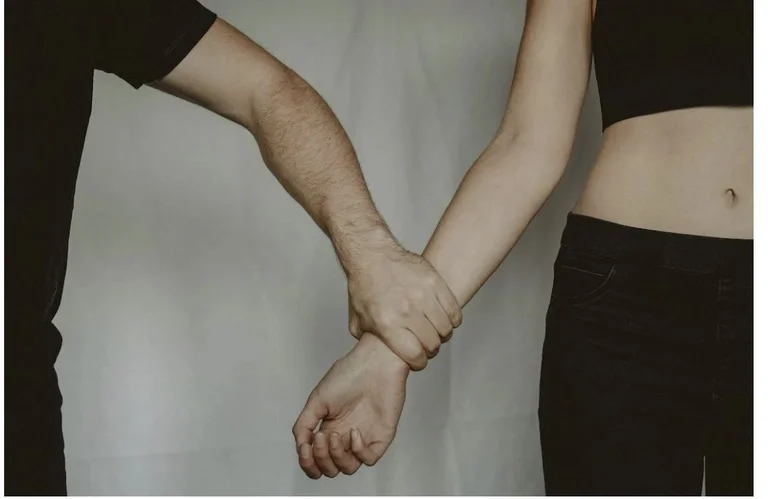
As an idol star of TikTok and self-declared “The results of a survey several days ago passed as shocking news through German media: family violence is “acceptable”, women belong in the kitchen, and open - living homosexuality is rejected. Approval for such claims in Germany, according to a recent survey of the nongovernmental organisation, Plan International is huge. So every third male surveyed does not view it as a big problem when it is sometimes even experienced Violence against women. 34% of those questioned say that they can slap their partner for “promoted respect”.
For the Plan International survey, “Manhood Tension” was surveyed by 1,000 men and women between the ages of 18 and 35 in an online questionnaire standardised. Other answers show an irritating image of manhood. 48% of respondents refuse to admit that homosexuality is living openly. As their idols, they have mentioned billionaire, Elon Mook, and Andrew's influence Tate, which is represented on the TikTok platform as a woman's hater and has made a name with statements such as “femers are anintative status character” and the husband's “is war”.
After survey results spread rapidly to the media, criticism broke out. Users in social media expressed doubts about the accuracy of the study, citing that online surveys are conducted, let you understand, that it is only about a certain group close to the internet and that the survey is not representative. Others criticized the lack of concrete questions. The whole debate revolved around the question: Are young men likely to think and act that way?
“So don't do”
Even for online survey experts, there are weak points. “I would like to know more accurately, how the study is conceived and how the answers are provided, this is not transparent unfortunately”, points out sociologist Doug Schölper of the Federal Men Forum, an interest representative for young men and German men. And despite this: Even if among 1,000 men questioned by accident, a third gives an answer, if not seriously, to the question, if they can imagine beating their partner, then they have expressed approval of it and had no impulse to say so. ”
Schölper further says that he has such an attitude and that in parts of society, this is shown by statistics on violence. The figures give Doug Schölper the right: Some 143,000 people in 2021 (the last existing status) have experienced violence from partner or former partner, according to data from the Federal Criminal Bureau. In about 80% of the cases the victims have been female, mass violators of men. This marks a slight decline over a year ago, but looking back in recent years, notes an increase in violence.

Prejudice Against Women
Even with regard to the image of a certain male and prejudice, the figures are disturbing. Here are some examples: ” In a survey by the German government's Anti-Discipulation Centre in 2017, about 40% of respondents feel annoyed by publicly shown homosexuality. While in a United Nations survey of “2023 Gender Social Norms Index” About 90% of polls are prejudiced against women. Two thirds do not believe in women's ability to lead politics. And a third admit it if a man shoots a woman. This “index does not show improvements in attitudes towards women for a decade”, which despite numerous campaigns, the UN balanced in recent days.
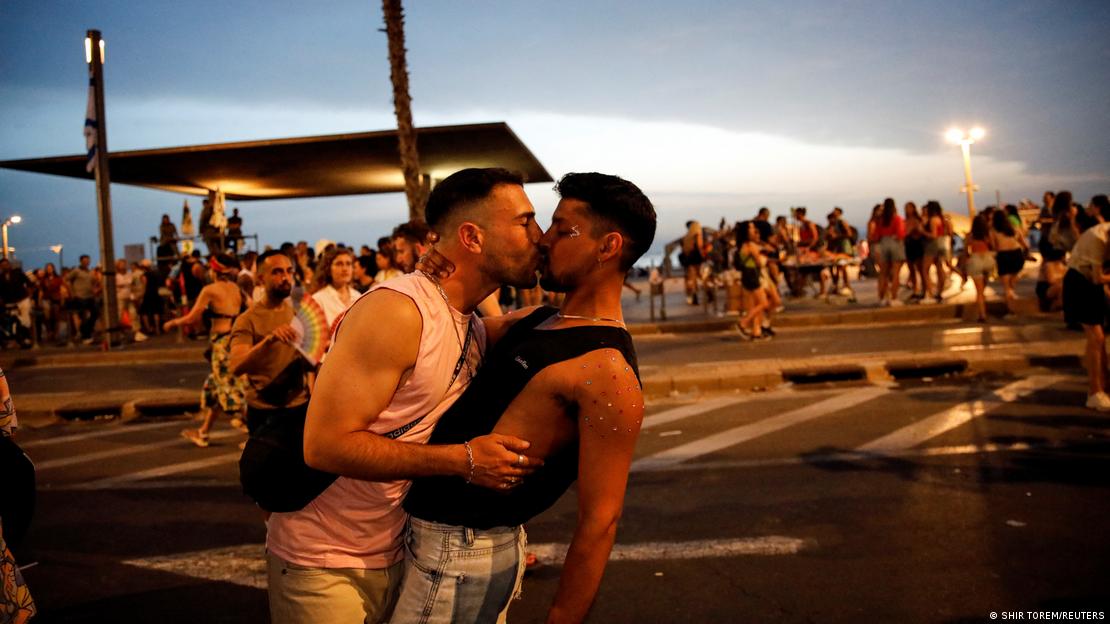
But why is so - called toxic manhood still in fashion? There are always moves like pendulum, which are reflected in the survey”, Schölper says. “So homosexuality and life “queer” is now increasingly public and does not develop in secret. Whoever has a problem with that feels challenged and possibly threatened.” Crisiss also cause the old inherited roles to be restored to function, so people return to their past for a sense of security. ”
In the Corona crisis, sociologists noticed a return to former gender roles. Women returned more to their family care, and family violence marked growth. The view on the global side is in the opposite direction, where solid gender images and narrow minds are being strengthened again.” These numbers are for Schölper a clear message: “we need more work with young boys and men. At the local level, it must be normal to have a counseling facility for men, so they don't come across and take advice from people like Andrew on the Internet. Tate.” /dw