16 minutes ago
All course students want to leave Kosovo”
Periskopi(3 years ago)
(3 years ago)Germany needs qualified workers and facilitated the immigration law. For Kosovars Germany is a main destination of migration. But in Kosovo, there is already a lack of people. 32-year-old Elysa Beqiri opens the language school every morning with smiles “Opportunity” in Gjakova. The graduate reporter never worked in her profession. [...]
Germany needs qualified workers and facilitated the immigration law. For Kosovars Germany is a main destination of migration. But in Kosovo, there is already a lack of people.
32-year-old Elysa Beqiri opens the language school every morning with smiles “Opportunity” in Gjakova. The graduate reporter never worked in her profession. Instead, she organizes as a German - language coordinator. It is among the new Kosovar few that, unlike many of its fellow citizens from Gjakova and the suburbs, do not want to go abroad. Almost all its students are intent on moving to Germany or German - speaking countries. The main reasons for this are the high level of wages in Germany compared to Kosovo and social security with a health system that does not exist in Kosovo.
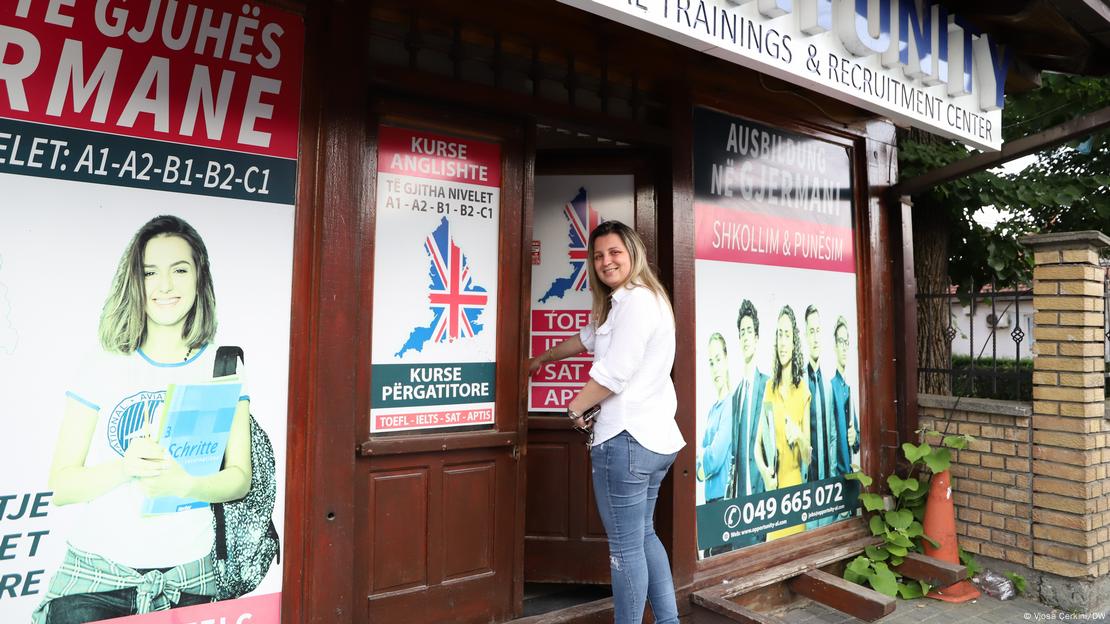
Elysa Beqiri lives with her mother and her younger brother in Gjakova. Her other brother emigrated to Germany seven years ago, as did her father's six longtime brothers. Elysa Beqiri will never leave Kosovo “I would never like to go to Germany, because I like to speak Albanian and my friends are here and I like the mentality here. I have friends wherever I go”, she explains, and by winking the eye adds: “Besides, I don't want to marry German”
All course students want to leave Kosovo
Average income in Kosovo is around 300 euros. With living expenses often similar to those in Germany, these low monthly incomes are enough for most Kosovo youth to survive. Many still live with their parents. They cannot afford to go on vacation or get sick. If major medical intervention is needed, money is collected within the family.
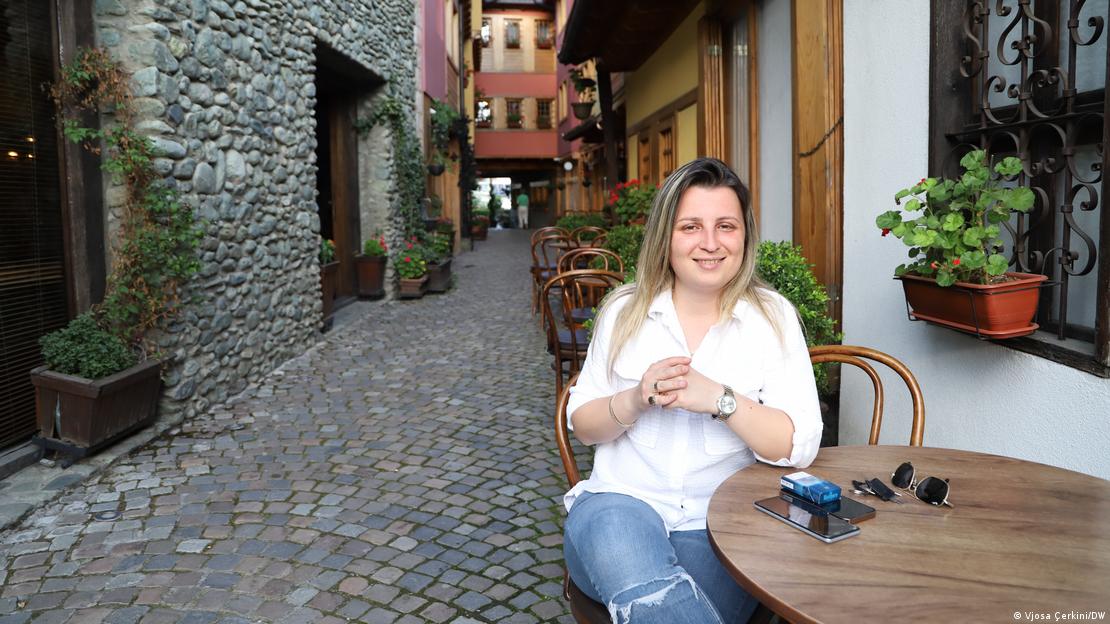
Elysa Beqiri has been dependent on her brother's support in Germany. For three years, however, it has good revenues from language school. Along with the income of other family members, she says they can afford a good life. Kosovoers believe that in Germany money is planted in the fields, and they only have to reap”, Beqiri says, summing up the ideas of her students.
Every year, only the language school “Opportunity” has about 340 students and almost everyone wants to leave. Only a few of them stay in the country, using their German skills and working at telephone centres, for example at Bambous Group, a company registered in Hamburg that offers a wide range of services to the client in the telecommunications sector in 36 languages.
Empty Shops and Lack of Qualified Workers
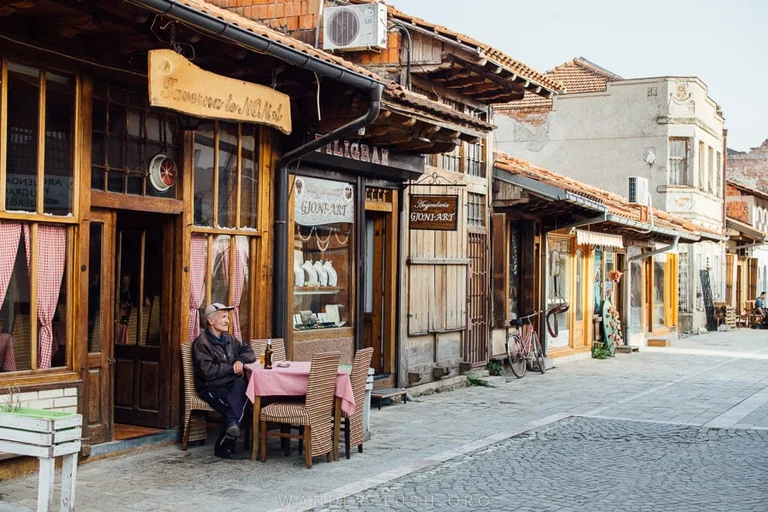
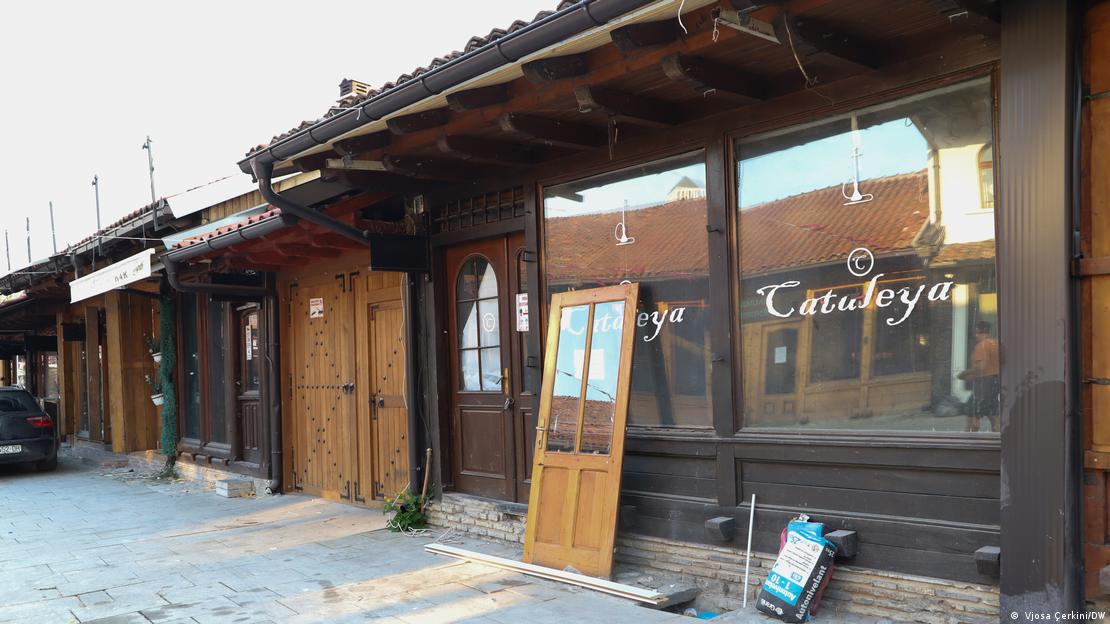
The picturesque old town of Gjakova is characterized by shops, small cafes and restaurants. Several stores in the pedestrian area are already closed, posters advertise new tenants. Certainly the previous owners have left. Elysa fears that if things continue that way for another ten years, the stores left in the old town could also disappear.
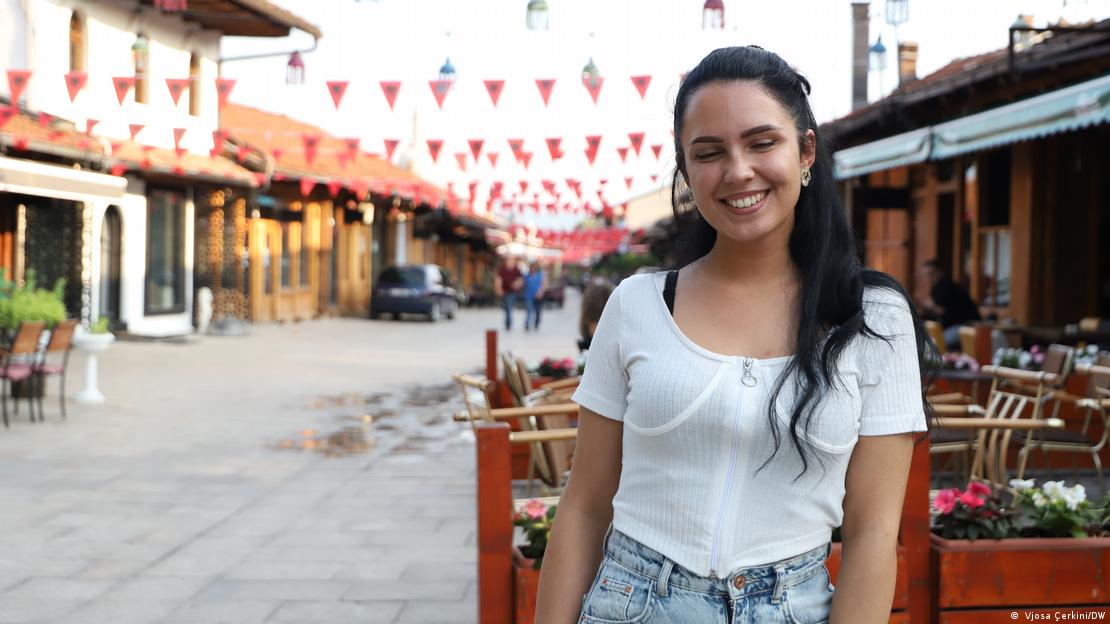
German-language student at her school is Arlinda Ramaj from Gjakova. The living situation of the 27-year-old is typical of many of its peers in Kosovo. She is a nurse, but Kosovo, which does not have a physical health system, can offer only a few employment opportunities. Now she is learning German to work as a nurse in Germany. I was convinced of the best living conditions, the best salary and opportunities available. If I could get a well-paid job here, I would stay in Kosovo”, Arlinda Ramaj says.
Her brother has been in Germany for a year and works as a waiter in a restaurant, though he has conducted the practice as an accountant in Kosovo. Arlinda shows, he's satisfied with his work and his income. And Arlinda's sister, who is currently preparing for graduation, wants to go to Germany one day.
Kosovo immigration shapes society, economy
Arlinda Ramaj is one of 30 thousand migrants leaving Kosovo every year. Freedom Krasniqi, co-founder of the NGO “Germin” that deals with the Albanian diaspora, well knows the issue of migration. I could talk about the entire day”, he says, “this theme is so broad in Kosovo”.
According to the Kosovo Statistics Agency (ASK), ten years ago they left the country every year about 15,000 to 20,000 Kosovars. In the last five years, this number has continued to rise. Emigration is now estimated at around 30,000 people annually. However, not all immigrants stay abroad forever.
The economic impact is great because most immigrants are young, from 24 to 35. Kosovo companies are increasingly realizing they lack qualified workers,” says Krasniqi. “Therefore, the salaries offered have increased. In the long run, however, Kosovo will lose the most vital part of its society. The health sector will be hit harder because time is needed to prepare new quarts, and this can be done very quickly. ”
The Kosovo government has no strategy for coping with immigration. While countries like Germany are recruiting qualified workers and young people from Kosovo are attractive, the country itself is running out of workers.
Graduates at Kosovo universities study for unemployment, Krasniqi says and explains: “Kosovo must reform its educational system so that even graduates can get a chance here”. Regarding the lack of qualified workers in Germany, he suggests: “Germania must pay Kosovo compensation for the training qualified workers receive here. This could take the form of investments. Kosovo should also seek this in diplomatic talks. ”
German educators' jobs in Kosovo are safe
Elysa Beqiri language school. The 33-year-old teacher Vlora Ramadani also teaches here. She is very happy with her life in Kosovo. Every day, from Monday to Saturday, it teaches German, eleven hours a day.
All her students are determined to emigrate. The teacher too had been an immigrant, but after eleven years in Germany, she is happy to have returned to her country. I like our comfort, I don't need a car, everything's close here, I can do anything on foot. In Germany everything is filled with tension. Just work,”, she says. / DW