7 minutes ago
German MP: Kosovo, Serbia must return to normal dialogue process
Periskopi(3 years ago)
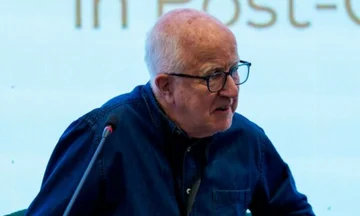
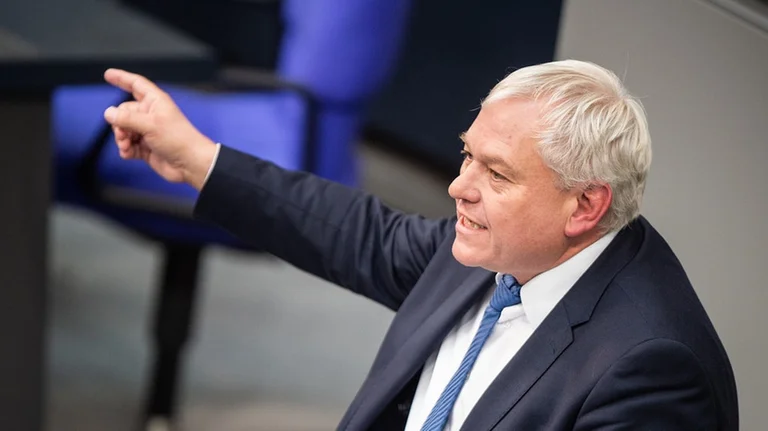
(3 years ago)Western Party Reporter Responsible The FDP in the German Bundestag, Thomas Hacker, speaks in an interview for DW for challenges in the Serbia-Kosovo conflict. Mr. Hacker, tensions between Serbia and Kosovo are increasing and dialogue is being stalled. As a member of the German Bundestag responsible for the Western Balkans, you know all the prospects. How do you appreciate [...]
Western Party Reporter Responsible The FDP in the German Bundestag, Thomas Hacker, speaks in an interview for DW for challenges in the Serbia-Kosovo conflict.
Mr. Hacker, tensions between Serbia and Kosovo are increasing and dialogue is being stalled. As a member of the German Bundestag responsible for the Western Balkans, you know all the prospects. How do you evaluate the situation?
Thomas Hawker: Unfortunately, during the last few weeks and months, we have seen from time to time that one party blames the other. After Christmas, we had thought that the biggest tensions were the blockades in northern Kosovo. Now we're facing new tensions. Police are kidnapped or arrested, on the one hand they are said to have been kidnapped in their territory, on the other hand being detained on Serbian territory. Conflicts bring with them a dangerous dynamic that is almost impossible to control. Several KFOR soldiers were seriously injured during the protests in late May. This is a new level of escalation. Now it must be crucial that all sides return to a normal process of dialogue.
But when the Kosovo government tries to arrest violent protesters, it is interpreted as a provocation by Serbia.
Thomas Hawker: Attacks on KFOR troops must be prosecuted. Serbia must release three Kosovo police officers immediately and unconditionally. I guess only then will we be able to go back to a stage of dialogue. We must continue the only right path to the talks, which the European Commission has shown with compromise proposals. It should be stressed that Aleksandar Vucinic is everything else, but not peacemakers in the region. He's been putting the media system under control for years. For years it has been wavering between membership in the European Union and Russia. He must make the decision now. Many citizens clearly see their country's future in the EU. The Serbian government and President Vuciq cannot ignore that fact.
What do you expect from the Kosovo side, which is currently feeling the greatest pressure?
Thomas Hawker: To implement the agreements, especially with regard to the Serb community in northern Kosovo. There are four municipalities -- perhaps 45,000 inhabitants -- need a form of organised co-operation that will prove its value in the long-term plan. Serbia has made its demands clear. They certainly must not be fulfilled. But even the Kosovo side must submit a proposal -- an initial model that can be advanced in talks with Serbia and with the participation of the European Union. It's a challenge for both sides for Kurt and Vuchy. I know the personal history of both of us makes constructive discussion extremely difficult. But neighbourly relations can only develop if one is aware of his past but looks forward to the future. The best example of this is the German-French relationship after World War II. Initially there was a peaceful co-existence between former “-enemy” until a true friendship developed with many jobs and exchanges of young people.
Efforts for dialogue so far have resulted only in agreements that are not being implemented. What should the EU and Germany do about it?
Thomas Hawker: Both sides should feel pressure. Even the Serbian side, I need to feel the pressure. In case of need, even by setting conditions for funding. If both countries seriously want to join the European Union, then this is the central prospect for many Western Balkan countries. Then agreements should be signed, signed, respected, and implemented. Aleksandar Vuciq has not signed the Ohrid Agreement yet, because he certainly cannot. However, this agreement is a prerequisite for all subsequent steps.
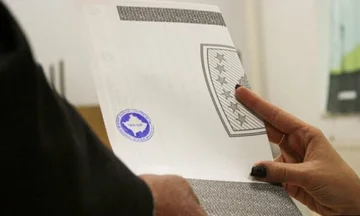
The EU and US Commission are calling for new elections in northern Kosovo. What meaning do these new elections have if Serbs do not want to participate, as was in the last elections of May 26th.
Thomas Hawker: During her recent visit to Berlin, Kosovo president said she supports the new elections in Kosovo's four Serb communities if the demands of the Constitution are met. The precondition is for 20 per cent of voters to sign a petition for new elections. Then they can be carried out. However, it is essential that Aleksandar Vuciq not negatively influence the process and that the Serbian List can make independent decisions. If the Serbian side boycotts these elections again, then a way to proceed without them must be found. The European Union supports this dialogue and supports both sides in overcoming obstacles.
Secretary - General NATO, Jens Stoltenberg, said at the press conference with German Chancellor Olaf Scholz earlier this week than NATO, more specifically KFOR, is willing to take further steps if necessary. Does that mean you are thinking of taking the administration in northern Kosovo with EULEX and KFOR?
Thomas Hawker: I don't think now is the time to speculate about the next steps. As the European Union, we must make sure that the steps agreed on apply on both sides. Germany is ready for this. We have to do everything we can to make cooperation work. The Berlin process is an appropriate instrument platform for this. Through it, last year we reached agreements that will in the future contribute to more freedom of movement in Western Balkan countries. Fortunately, both countries, both Kosovo and Serbia, have approved those agreements. This is the way we have to go. Anything else would be a grim future that we can avoid.