13 minutes ago
German Economy Currency, All Eurozone Falling in recession
Periskopi(3 years ago)
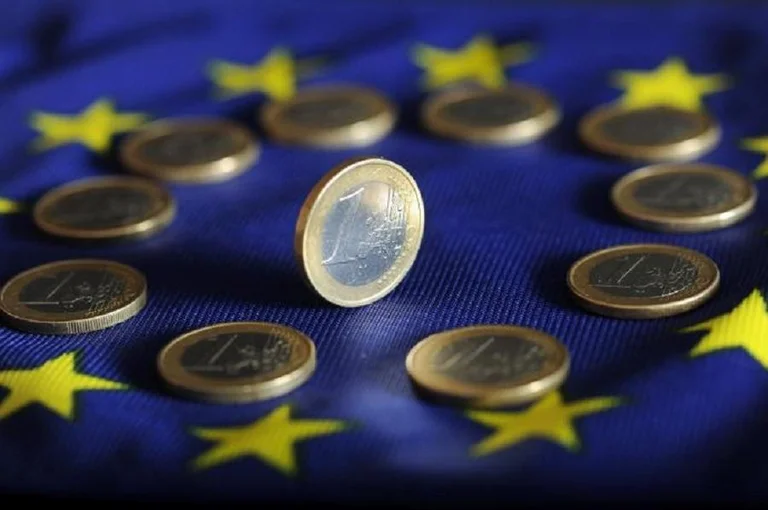
(3 years ago)The eurozone slipped into a technical recession in the first three months of the year, after experiencing an economic contraction for two months in a row. In both cases GDP dropped by 0.1 percent. The weight of the German economy, which after correcting previous forecasts has recorded a 0.3 percent decline, has been felt by the economy [...]
In both cases GDP dropped by 0.1 percent. The weight of the German economy, which after correcting previous forecasts has recorded a 0.3 percent decline, has been felt by the economy as a whole.
The Eurozone is being hit hard by the consequences of the war in Ukraine, which has led to increased food and fuel prices and affected family spending.
Increasing public spending and investments have not been enough to compensate for losing money in private consumption.
Without calling the situation alarming, Brussels has tried to stress the sustainability of the economy, which continued to create jobs and the fact that the EU as a whole avoided technical recession with a 0.1 per cent increase in the first quarter.
The increase was led by Spain and Italy. The European Commission has announced it will review the forecast for economic growth of 1.1 percent in 2023.