3 minutes ago
“The Economist”: Here's what Albin Kurti is hiding.
Periskopi(3 years ago)
(3 years ago)The weekly “The Economist” has discovered a possible scenario behind the crisis in northern Kosovo and involving Prime Minister Albin Kurti. “A diplomat says he doubts Kurti will likely keep his promise of autonomy for Kosovo Serbs and suggests the crisis in the north could help him [...]
“A diplomat says he doubts Kurti will likely keep his promise of autonomy for Kosovo Serbs and suggests that the crisis in the north could help him mask the fact that he has failed to fulfill many of his promises elsewhere.
Problems in Kosovo may also be a welcome distraction for Vucic, as he faces demonstrations at home”, the British newspaper notes.
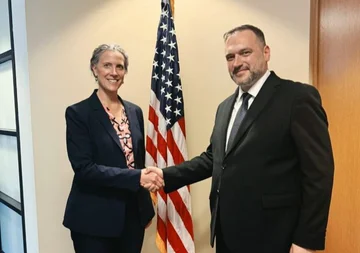
The publication initially used American diplomat Gabriel Escobar's words to describe the situation in the country's north as “an escalation over an earlier escalation of”.
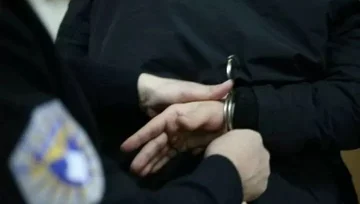
On 14 June, three Kosovo police officers were arrested by Serbian police, though both sides object to which side of the border they were on.
On June 26 they were released. But the Kosovo-Serbia crisis continues, stresses the “The Economist”.
Kosovo police have arrested local Serbs who, they say, have attacked NATO peacekeepers and journalists.
Police also claim to have found a large weapons depot in the northern part of Kosovo, where most people are ethnic Serbs.
American and EU diplomats are fighting the crisis, fearing another violent incident could erupt in a larger conflict.
Escobar and Miroslav Lajcak, the EU negotiator, had achieved some progress in the spring by providing an agreement to implement a plan where Serbia would treat Kosovo as a state in everything except the name, the weekly adds.
In exchange, the small Kosovo Serb minority would be granted a form of autonomy, which was promised in an earlier agreement in 2013.
But Serbia broke the new agreement by trying to block Kosovo's membership in the Council of Europe, the British newspaper explains.
America and the EU later urged Albin Kurti, Kosovo prime minister, not to physically install the mayors of the northern ethnic Albanian municipalities in their municipalities.
He did it anyway. Supported by ethnic Albanian policemen, he has been changing the status quo of the past 20 years, alarming Kosovo Serbs.
The Russian invasion of Ukraine is changing the political landscape. Serbia's President Aleksandar Vucic, though refusing to join sanctions against Russia, is allowing Serbian companies to send weapons to Ukraine. America's ambassador to Serbia praises it as a best “parter”.
So, it's Kurti who's taking the blame”, it turns out that “The Economist”.